

Nightmares vs. Night Terrors: Causes, Differences, and Coping Strategies

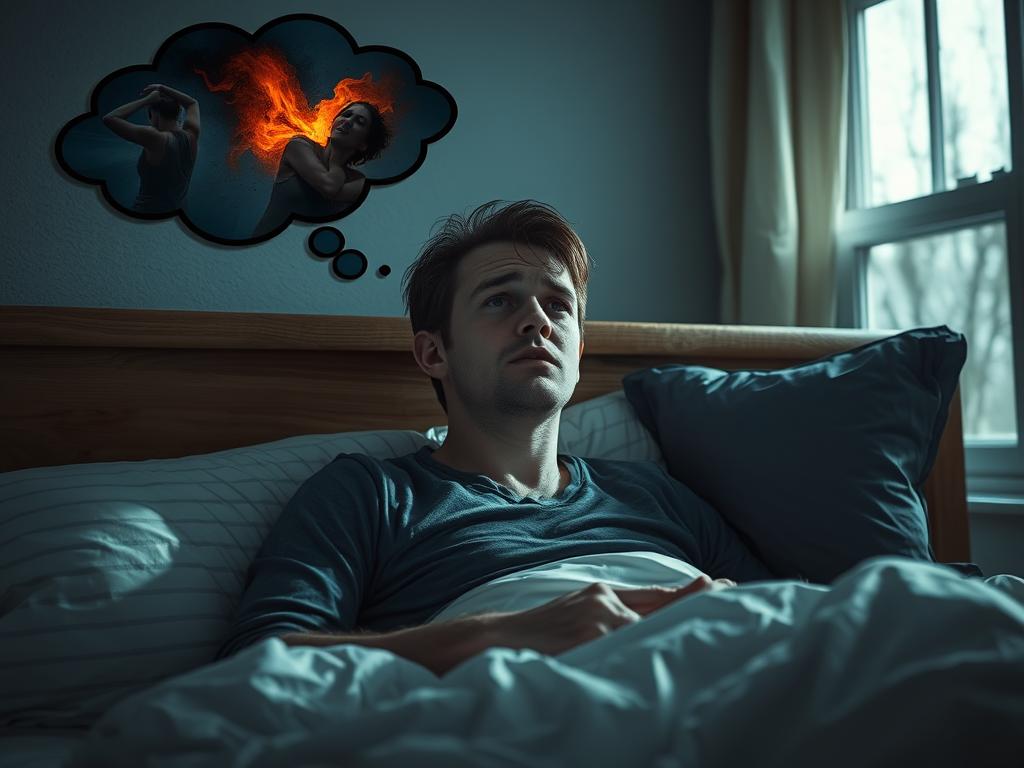
Person waking up from a nightmare with visible distress and remembering the dream content

Sleep disturbances can be distressing for both children and adults. Understanding the difference between nightmares and night terrors is crucial for finding effective coping strategies. While both can disrupt sleep and cause anxiety, they are distinct phenomena with different causes, symptoms, and treatments. This comprehensive guide explores the key differences between these sleep disturbances and provides evidence-based strategies to manage them effectively.

What Are Nightmares?

Nightmares are vivid, disturbing dreams that typically occur during Rapid Eye Movement (REM) sleep. According to the Diagnostic and Statistical Manual of Mental Disorders (DSM-5), nightmares are characterized as extremely dysphoric dreams that usually involve threats to survival, security, or physical integrity. They generally occur in the latter part of the night when REM sleep is more prevalent.

When experiencing a nightmare, you’ll typically wake up completely and be able to recall the dream content in detail. These unsettling dreams often provoke feelings of fear, anxiety, anger, or disgust. While occasional nightmares are normal, frequent nightmares that disrupt sleep and affect daytime functioning may indicate nightmare disorder.

Nightmares typically cause the person to wake fully and remember the disturbing dream content.

Key Characteristics of Nightmares:

  • Occur during REM sleep, usually in the latter part of the night
  • Cause complete awakening from sleep
  • Dream content is vividly remembered upon waking
  • Provoke intense negative emotions (fear, anxiety, disgust)
  • The person is fully alert upon awakening
  • More common in both children and adults

What Are Night Terrors?

Night terrors, also known as sleep terrors, are episodes of intense fear and panic that occur during non-REM sleep, typically during the first third of the night. The International Classification of Sleep Disorders (ICSD-3) classifies night terrors as a parasomnia, which is a category of sleep disorders involving unwanted events or experiences that occur while falling asleep, during sleep, or when waking up.

Unlike nightmares, night terrors involve only partial awakening. The person may scream, thrash around, or show signs of intense fear, but they remain in a state between sleeping and waking. Most importantly, they typically have no memory of the episode the next morning.

Child experiencing a night terror with parent trying to comfort them during an episode

During night terrors, the person appears awake but is actually in a state between sleeping and waking.

Key Characteristics of Night Terrors:

  • Occur during non-REM sleep, usually within 2-3 hours after falling asleep
  • Involve only partial awakening from deep sleep
  • Episodes typically last 1-10 minutes
  • May include screaming, thrashing, rapid heartbeat, and sweating
  • The person appears confused and is difficult to comfort
  • Little to no memory of the episode the next morning
  • More common in children than adults

Key Differences Between Nightmares and Night Terrors

Characteristic Nightmares Night Terrors
Sleep Stage REM sleep (dream stage) Non-REM sleep (deep sleep)
Timing Later part of the night First third of the night
Awareness Fully awake after episode Partially awake during episode
Memory Clear recall of dream content Little to no memory of episode
Physical Response Minimal (may wake up startled) Intense (screaming, thrashing, sweating)
Prevalence in Adults Common (35-45% have at least one monthly) Rare (1-2% of adults)
Prevalence in Children Common (75% of children) More common than in adults (56% of children under 13)
Brain scan comparison showing different brain activity during nightmares and night terrors

Brain activity differs significantly between nightmares (REM sleep) and night terrors (non-REM sleep).

Causes and Triggers of Sleep Disturbances

What Causes Nightmares?

Nightmares can be triggered by various psychological, physiological, and environmental factors. A 2020 study published in The Lancet Neurology found that nightmares often serve as the brain’s way of processing emotions and memories, particularly those associated with stress or trauma.

Psychological Factors:

  • Stress and anxiety
  • Post-traumatic stress disorder (PTSD)
  • Depression and other mood disorders
  • Significant life changes or trauma

Physiological Factors:

  • Fever and illness
  • Sleep deprivation
  • Certain medications (antidepressants, blood pressure medications)
  • Substance use or withdrawal

What Causes Night Terrors?

Night terrors typically result from abnormal regulation of deep sleep. A 2021 study in Nature and Science of Sleep found that night terrors involve a partial arousal from deep sleep, where the brain is caught between sleep and wakefulness.

Primary Factors:

  • Genetic predisposition
  • Family history of sleep disorders
  • Sleep disruption or deprivation
  • Developmental factors in children

Triggering Factors:

  • Fever or illness
  • Stress and fatigue
  • Sleep apnea or other sleep disorders
  • Certain medications
Infographic showing common triggers for nightmares and night terrors

Common triggers that can contribute to nightmares and night terrors in both children and adults.

Symptom Checklists

Nightmare Symptoms Checklist

  • Vivid, disturbing dreams that cause you to wake up
  • Clear memory of dream content upon waking
  • Feelings of fear, anxiety, or distress after waking
  • Difficulty falling back asleep due to fear or anxiety
  • Daytime fatigue or sleepiness
  • Reluctance to go to sleep due to fear of having nightmares
  • Dreams that often involve threats to safety or security
  • Episodes occur during the latter part of sleep

Night Terror Symptoms Checklist

  • Sudden episodes of intense fear during sleep
  • Screaming, thrashing, or panicked behavior
  • Rapid heartbeat, heavy breathing, and sweating
  • Dilated pupils and staring eyes (may appear awake)
  • Difficulty waking the person during an episode
  • Confusion if awakened during an episode
  • Little to no memory of the episode the next morning
  • Episodes typically occur in the first few hours of sleep
Comparison of physical and emotional symptoms during nightmares and night terrors

Physical and emotional symptoms differ significantly between nightmares and night terrors.

Effective Coping Strategies

Managing Nightmares

Research published in Psychotherapy and Psychosomatics (2019) has shown that several techniques can effectively reduce nightmare frequency and intensity. These strategies focus on addressing underlying causes and changing how the brain processes disturbing dream content.

For Adults:

  • Image Rehearsal Therapy (IRT): Rewrite and mentally rehearse a new, positive ending to recurring nightmares
  • Stress Reduction Techniques: Practice meditation, deep breathing, or progressive muscle relaxation before bed
  • Sleep Hygiene: Maintain a regular sleep schedule and create a relaxing bedtime routine
  • Journaling: Write down nightmares to process emotions and reduce their power
  • Avoid Triggers: Limit exposure to scary or disturbing content before bedtime

For Parents Helping Children:

  • Comfort and Reassurance: Provide calm support after a nightmare
  • Discuss the Dream: Talk about the nightmare during the day, not at night
  • Empower Your Child: Encourage them to imagine changing the dream’s ending
  • Nightlight or Comfort Object: Provide security with a dim light or favorite toy
  • Establish Bedtime Routine: Create a consistent, calming pre-sleep ritual
Person practicing image rehearsal therapy for nightmare management

Image Rehearsal Therapy involves rewriting nightmare scenarios with positive outcomes and mentally rehearsing them.

Managing Night Terrors

Night terrors require a different approach since the person experiencing them is not fully conscious during episodes and typically doesn’t remember them afterward.

For Adults:

  • Stress Management: Reduce overall stress and anxiety
  • Adequate Sleep: Ensure sufficient sleep and consistent sleep schedule
  • Avoid Alcohol and Stimulants: Limit consumption, especially before bed
  • Create a Safe Sleep Environment: Remove hazards that could cause injury during episodes
  • Consider Sleep Study: Identify underlying sleep disorders like sleep apnea

For Parents Helping Children:

  • Don’t Wake Them: Avoid waking a child during a night terror
  • Ensure Safety: Gently guide them away from potential hazards
  • Scheduled Awakening: Wake the child 15-30 minutes before typical episode time
  • Reduce Fever: Manage illness symptoms that may trigger episodes
  • Maintain Regular Sleep Schedule: Ensure adequate sleep and consistent bedtimes
Parent implementing scheduled awakening technique for a child with night terrors

Scheduled awakening involves gently waking a child 15-30 minutes before their typical night terror episode.

When to Consult a Sleep Specialist or Therapist

While occasional nightmares and isolated night terrors are generally not cause for concern, certain situations warrant professional attention. A 2019 study in Schizophrenia Bulletin found that persistent sleep disturbances can significantly impact mental health and quality of life.

Seek Professional Help If:

  • Nightmares or night terrors occur frequently (multiple times per week)
  • Episodes cause significant distress or anxiety about going to sleep
  • Sleep disturbances affect daytime functioning, mood, or concentration
  • Night terrors involve dangerous behaviors (running, jumping, violent movements)
  • Episodes begin after trauma or significant life changes
  • Sleep disturbances occur alongside other symptoms like snoring, gasping, or limb movements
  • Medications or substances may be contributing to the problem
Patient consulting with a sleep specialist about nightmares and night terrors

A sleep specialist can help identify underlying causes and recommend appropriate treatments for persistent sleep disturbances.

What to Expect from Professional Treatment

Treatment approaches vary depending on the type and cause of sleep disturbance:

For Nightmares:

  • Cognitive Behavioral Therapy for Insomnia (CBT-I): Addresses thoughts and behaviors affecting sleep
  • Image Rehearsal Therapy: Professionally guided practice of reimagining nightmare scenarios
  • Medication: In some cases, medications may be prescribed to reduce nightmare frequency
  • Treatment for Underlying Conditions: Addressing PTSD, anxiety, or depression

For Night Terrors:

  • Sleep Study: To identify potential sleep disorders like sleep apnea
  • Scheduled Awakening Protocol: Professionally guided implementation
  • Stress Management Techniques: Tailored to individual needs
  • Medication: In severe cases, short-term medication may be considered

Frequently Asked Questions

Are night terrors dangerous?

Night terrors themselves are not physically harmful, but they can lead to injury if the person runs, jumps, or thrashes violently during an episode. The main risk comes from potential accidents during the episode. Creating a safe sleep environment by removing hazards and securing doors and windows can help prevent injuries. Night terrors do not indicate psychological problems or cause psychological harm.

Can adults have night terrors?

Yes, adults can experience night terrors, though they are much less common than in children. Approximately 1-2% of adults report having night terrors, compared to about 56% of children under 13. In adults, night terrors are more likely to be associated with other factors such as stress, sleep deprivation, certain medications, or underlying sleep disorders. Adults with night terrors are also more likely to have a history of anxiety and depression.

Do nightmares indicate mental illness?

Occasional nightmares are a normal part of sleep and do not indicate mental illness. However, frequent, intense nightmares that disrupt sleep and daily functioning may be associated with conditions like post-traumatic stress disorder (PTSD), anxiety disorders, or depression. If nightmares occur weekly or more often and cause significant distress, it may be worth consulting a mental health professional to rule out underlying conditions.

How long do night terrors typically last?

Individual night terror episodes usually last between 30 seconds and 10 minutes, though they may seem longer to observers. During this time, the person may scream, thrash, or appear extremely frightened. After the episode, they typically return to normal sleep without fully waking. As for the condition itself, children often outgrow night terrors by adolescence, while in adults, addressing underlying causes can help resolve recurring episodes.

Can certain foods trigger nightmares or night terrors?

Some research suggests that eating heavy meals close to bedtime may increase the likelihood of nightmares by raising metabolism and body temperature, which can affect sleep quality and dream content. Spicy foods, caffeine, and alcohol can also disrupt sleep patterns and potentially trigger nightmares. However, there’s limited scientific evidence directly linking specific foods to night terrors. Maintaining a consistent sleep schedule and avoiding large meals 2-3 hours before bedtime may help reduce sleep disturbances.

The Bottom Line

Nightmares and night terrors represent two distinct types of sleep disturbances with different causes, symptoms, and management approaches. While nightmares are disturbing dreams that wake you and can be remembered, night terrors involve partial awakening with intense fear but little memory of the episode. Both can be distressing, but understanding the differences is key to finding effective coping strategies.

Most children outgrow these sleep disturbances, and adults can often manage them with good sleep hygiene and stress reduction techniques. However, when sleep disturbances become frequent or severely impact daily life, professional help from sleep specialists or therapists can provide relief through targeted interventions and treatments.

By implementing the coping strategies outlined in this article and seeking help when needed, you can work toward more peaceful nights and better overall well-being for yourself or your child.

Peaceful sleeping environment promoting healthy sleep and reducing nightmares and night terrors

Creating a peaceful sleep environment and practicing good sleep hygiene can help reduce the frequency of nightmares and night terrors.

Person experiencing nightmares and night terrors with visual representation of the difference between the two sleep disturbances

Nightmares occur during REM sleep and are remembered upon waking, while night terrors happen during non-REM sleep and are rarely recalled.

Are Sleep Disturbances Affecting Your Daily Life?

If nightmares or night terrors are disrupting your sleep and impacting your daytime functioning, it may be time to consult with a sleep specialist. Professional help can provide personalized strategies and treatments.

Need Professional Support for Sleep Disturbances?

If nightmares or night terrors are significantly impacting your life or your child’s well-being, professional help is available. Sleep specialists and therapists can provide personalized treatment plans to address your specific needs.

Struggling with Sleep Disturbances?

If nightmares or night terrors are affecting your quality of life or your child’s well-being, don’t hesitate to reach out for professional support. Sleep specialists can provide personalized guidance and treatment options.

Table of Contents

shilajitcore+ logo

Masters of Luxury Fur Trim Replacement

Since 1987, Fur Replacement has been the trusted name for premium fur trims - ser- ving leading fashion brands and discerning clients across the world.

We specialize exelusively in replacement fur trims for luxury jackets and coats, restoring elegance, warmth, and value with every piece.

+35 Years of Expertise

Trusted by global fashion houses, every trim crafted to perfection since 1987.

Worldwide Shipping

From our Scandinavian atelier to your doorstep

Recent Posts

Our Popular Products