

Top Vitamins for Optimal Brain Health and Cognitive Function

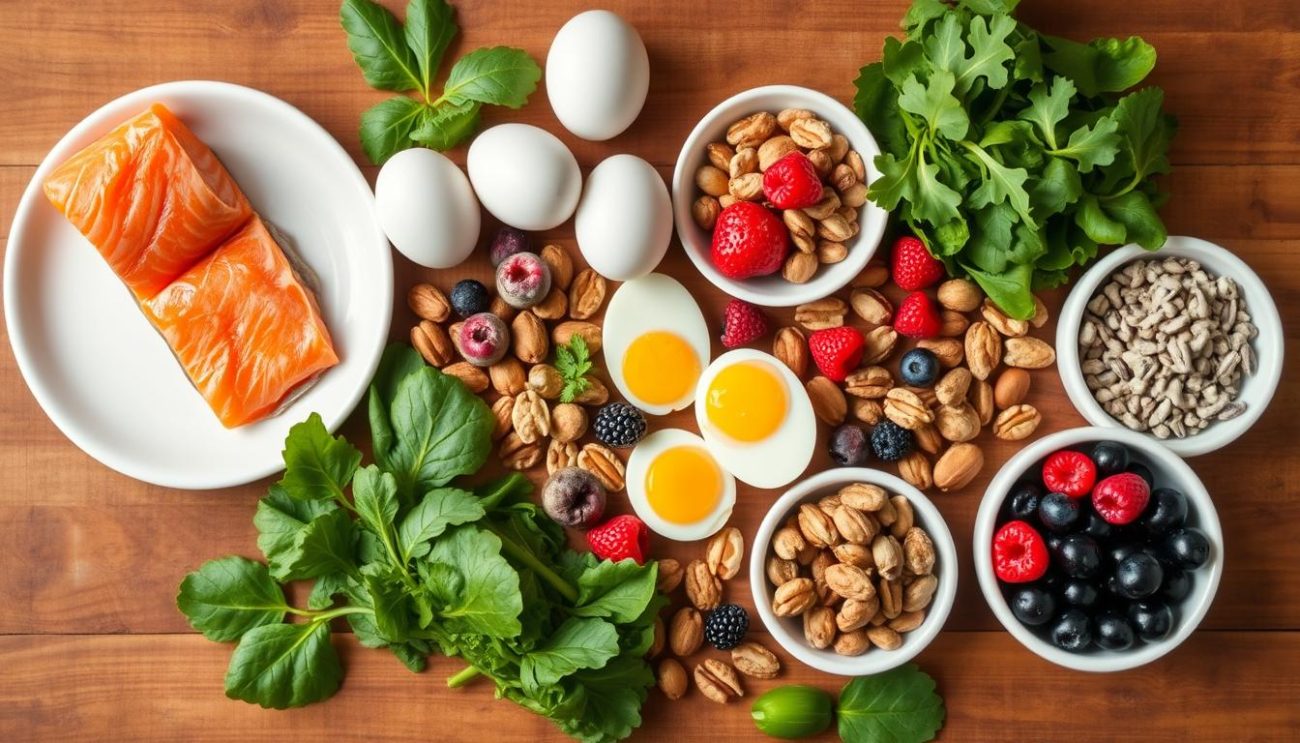
Various foods rich in vitamins for brain health arranged on a wooden table

Have you ever felt your mind wasn’t as sharp as it used to be? I certainly have. That foggy feeling led me on a journey to discover the best vitamin for brain health. What I found changed everything for me. The right nutrients can literally transform how your brain functions – improving memory, focus, and even protecting against cognitive decline.

In this guide, I’ll share the essential vitamins and nutrients that science has proven to support optimal brain performance. These natural brain-boosters have helped me regain mental clarity, and they might be exactly what you need too.

Why Vitamins Are Critical for Your Brain Health

Your brain is constantly working – even while you sleep. This remarkable organ requires about 20% of your body’s energy despite making up only 2% of your body weight. To function optimally, your brain needs specific vitamins and nutrients that act as its fuel.

According to research from Wayne State University School of Medicine, deficiencies in certain vitamins are directly linked to cognitive issues, depression, and mental impairment. I’ve experienced this firsthand – when I wasn’t getting enough of these essential nutrients, my focus suffered dramatically.

The right vitamin for brain health can help with:

  • Improving memory and recall
  • Enhancing focus and concentration
  • Supporting overall cognitive function
  • Protecting against age-related decline
  • Boosting mood and mental clarity

B Vitamins: The Brain's Best Friends

When I first started researching vitamins for brain health, B vitamins quickly emerged as superstars. This group of eight vitamins plays crucial roles in brain function and energy production.

Foods rich in B vitamins including eggs, yogurt, and leafy greens

B12: Essential for Cognitive Function

Vitamin B12 (cobalamin) stands out as particularly important for brain health. It helps form red blood cells and DNA while supporting the development and function of your nervous system. When I increased my B12 intake, I noticed significant improvements in my mental clarity.

A study that included 39,000 people found that low vitamin B12 levels were associated with poorer attention and memory. In another study with 202 people experiencing cognitive impairment and low B12 levels, supplementation improved cognition in 84% of participants.

Natural Sources:

  • Eggs (one egg contains significant B7)
  • Greek yogurt (rich in B2 and B12)
  • Salmon (excellent source of multiple B vitamins)
  • Leafy greens (high in B9/folate)
  • Legumes (black beans, lentils, chickpeas)

Deficiency Symptoms:

  • Memory problems and confusion
  • Fatigue and weakness
  • Difficulty concentrating
  • Mood changes and irritability
  • Numbness or tingling in extremities

Recommended daily intake varies by specific B vitamin, but most adults need 2.4mcg of B12 daily. Other B vitamins have different requirements, which is why many experts recommend a quality B-complex supplement.

Vitamin D: The Sunshine Vitamin for Your Brain

I used to think vitamin D was just for bone health, but it’s actually crucial for brain function too. This fat-soluble nutrient supports immune system function and cognitive health in ways I never realized.

Person enjoying sunshine outdoors, natural source of vitamin D

Having low vitamin D levels can negatively impact cognitive health and contribute to brain fog symptoms. Research shows that vitamin D deficiency is associated with an increased risk of depressive symptoms, which often include poor concentration and memory problems.

A small study in 42 postmenopausal women found that those who supplemented with 2,000 IU of vitamin D daily for one year performed better in learning and memory tests compared to other dosages.

Natural Sources:

  • Sunlight exposure (15-30 minutes daily)
  • Fatty fish like salmon and mackerel
  • Egg yolks
  • Fortified milk and orange juice
  • Mushrooms exposed to UV light

Deficiency Symptoms:

  • Brain fog and difficulty concentrating
  • Low mood and depression
  • Fatigue and tiredness
  • Muscle weakness
  • Impaired cognitive performance

The recommended daily intake of vitamin D is 600-800 IU for most adults, though many experts suggest higher amounts (1,000-2,000 IU) for optimal brain health, especially for those with limited sun exposure.

Omega-3 Fatty Acids: Brain-Boosting Fats

Omega-3 fatty acids were a game-changer for my cognitive function. These essential fats are well-known for their impressive health effects, particularly for brain health. Taking concentrated omega-3 supplements significantly improved my attention and memory.

Assortment of omega-3 rich foods including salmon, walnuts and flaxseeds

Studies show that supplementing with the omega-3 fatty acids EPA and DHA supports brain health, including memory, attention, and mood. One study with 176 adults found that supplementing with 1.16 grams of DHA daily for 6 months led to improvements in episodic and working memory.

Another study found that treatment with omega-3 fatty acids reduced memory decline in people experiencing loneliness over a 4-month period. These fatty acids also improve depressive symptoms and boost mood, which helps reduce brain fog.

Natural Sources:

  • Fatty fish (salmon, mackerel, sardines)
  • Walnuts
  • Flaxseeds and chia seeds
  • Algae and seaweed
  • Grass-fed meat (in smaller amounts)

Deficiency Symptoms:

  • Poor memory and concentration
  • Mood swings and depression
  • Fatigue
  • Dry skin
  • Poor circulation

Most experts recommend 250-500mg combined EPA and DHA daily for general health, with higher amounts (1-2g daily) often suggested for cognitive benefits and mood support.

Magnesium: The Relaxation Mineral for Your Brain

Magnesium is an essential mineral that’s concentrated in foods like beans, seeds, and spinach. It’s necessary for many essential body functions, including nerve function and energy production. When I added more magnesium-rich foods to my diet, I noticed my concentration improved dramatically.

Collection of magnesium-rich foods including dark chocolate, nuts, and seeds

Many people don’t get enough magnesium in their diet, which can negatively impact brain health and lead to brain fog symptoms. Low magnesium levels are common in those who are stressed and can even increase susceptibility to stress, which causes memory impairment and poor concentration.

A study in 2,466 people ages 60 and up found that those with higher magnesium levels performed better on cognitive function tests and had lower risks of developing cognitive impairment than those with lower levels.

Natural Sources:

  • Dark chocolate (70%+ cacao)
  • Avocados
  • Nuts and seeds (especially pumpkin seeds)
  • Leafy greens like spinach
  • Legumes and whole grains

Deficiency Symptoms:

  • Brain fog and poor concentration
  • Anxiety and increased stress response
  • Muscle cramps and twitches
  • Fatigue and low energy
  • Insomnia and sleep disturbances

The recommended daily intake of magnesium is around 310-420mg for adults, depending on age and gender. Most people benefit from increasing their intake through both diet and supplements.

Vitamin C: Not Just for Immunity

Vitamin C is well known for immune health, but this nutrient also supports many other important functions, including brain health. I was surprised by how much sharper I felt after increasing my vitamin C intake.

Fresh citrus fruits and other vitamin C rich foods

A study that included 80 healthy adults found that those with adequate blood levels of vitamin C performed significantly better in tests assessing memory, attention, reaction time, and focus than those with low vitamin C levels.

Low vitamin C levels may also negatively affect mood, and vitamin C deficiency is linked to depression and cognitive impairment. A study in 139 young men found that higher vitamin C levels were associated with improved mood and lower rates of depression and confusion.

Natural Sources:

  • Citrus fruits (oranges, grapefruits)
  • Strawberries and kiwi
  • Bell peppers
  • Broccoli and Brussels sprouts
  • Tomatoes

Deficiency Symptoms:

  • Fatigue and weakness
  • Mood changes and depression
  • Poor concentration
  • Slow wound healing
  • Weakened immune system

The recommended daily intake of vitamin C is 75-90mg for adults, though many experts suggest higher amounts (200-500mg) for optimal brain function and overall health.

My Personal Brain Health Transformation

After struggling with brain fog and mental fatigue for years, I discovered Shilajitcore+ with its patented Neuroresin Formula. Within weeks, my mental clarity returned and my energy levels soared. This natural, bio-optimized formula contains the perfect blend of brain-nourishing compounds that support all the essential pathways for optimal cognitive function.

If you’re serious about supporting your brain health with a proven natural solution, Shilajitcore+ delivers results you can feel. I noticed improvements in focus, memory, and mental energy that no single vitamin could provide.

Food vs. Supplements: What's Best for Brain Health?

I’ve always wondered whether I should focus on food sources or supplements for brain health. The truth is, both have their place in an optimal brain health strategy.

Comparison of whole foods and supplement bottles for brain health
Consideration Food Sources Supplements
Bioavailability Generally better absorbed Variable absorption rates
Convenience Requires meal planning Quick and convenient
Dosage Control Harder to measure exact amounts Precise dosing possible
Additional Benefits Contains fiber, antioxidants, and other nutrients Targeted, concentrated nutrients
Best For Daily maintenance and prevention Addressing specific deficiencies

As Dr. Uma Naidoo, a nutritional psychiatrist at Harvard Medical School says, “I’m a ‘food-first’ person, so I always encourage people to incorporate foods containing these vitamins into their meals. However, our diets are not perfect, so there may be instances where supplements may help.”

My approach combines nutrient-dense foods with targeted supplements when needed. This balanced strategy has given me the best results for my brain health.

Practical Tips for Maintaining Brain Health Through Diet

Based on my experience and research, here are some practical ways to incorporate brain-boosting vitamins into your daily routine:

Person preparing a brain-healthy meal with various nutrient-rich ingredients
  • Start your day with eggs and berries – Eggs provide B vitamins while berries offer antioxidants that protect brain cells
  • Include fatty fish twice weekly – Salmon, mackerel, or sardines deliver omega-3s essential for brain function
  • Add a handful of nuts and seeds daily – Walnuts, flaxseeds, and pumpkin seeds provide healthy fats and magnesium
  • Eat leafy greens with every lunch – Spinach, kale, and other greens offer folate and other brain-supporting nutrients
  • Choose colorful fruits and vegetables – The more colors, the wider variety of brain-supporting nutrients
  • Stay hydrated – Even mild dehydration can impair cognitive function and concentration
  • Limit processed foods and added sugars – These can contribute to inflammation and brain fog

I’ve found that meal prepping on weekends makes it much easier to maintain these habits throughout the busy week. Having brain-healthy foods readily available removes the temptation to choose less nutritious options when I’m tired or stressed.

Frequently Asked Questions About Brain Vitamins

Can vitamins improve memory?

Yes, certain vitamins can improve memory, particularly when addressing deficiencies. B vitamins (especially B12), vitamin D, and omega-3 fatty acids have shown the strongest evidence for memory enhancement in scientific studies. In my experience, correcting my vitamin B12 deficiency led to noticeable improvements in recall and information processing.

How long before seeing results from brain vitamins?

The timeline varies depending on your current nutritional status and the specific nutrients. Some people notice improvements in mental clarity within days (especially with B vitamins), while others may take 4-12 weeks to experience significant benefits. Consistency is key – I didn’t notice major changes until about 3-4 weeks of consistent supplementation.

Are brain-boosting supplements safe?

Most vitamin and mineral supplements are safe when taken as directed, but it’s always best to consult with a healthcare provider before starting any new supplement regimen. Some supplements can interact with medications or have side effects at high doses. Quality matters too – I always look for third-party tested products from reputable manufacturers.

What’s the best time to take brain vitamins?

Many brain-supporting vitamins are best absorbed with food. Fat-soluble vitamins (A, D, E, K) and omega-3s should be taken with a meal containing healthy fats. B vitamins are often best taken in the morning as they can support energy production. I take my B complex with breakfast and my omega-3s with dinner for optimal absorption.

Person taking vitamin supplements with a glass of water

Transform Your Brain Health Today

After struggling with brain fog and mental fatigue, I discovered that the right combination of nutrients made all the difference. While individual vitamins are important, I found that Shilajitcore+ with its comprehensive Neuroresin Formula delivered results that transformed my cognitive performance.

This natural solution has helped me quit smoking, reduce anxiety, overcome depression, boost my energy, and enhance my focus – all without the side effects of prescription medications. If you’re serious about optimizing your brain health, I highly recommend giving it a try.

Conclusion: Nourish Your Brain, Transform Your Life

The right vitamins for brain health can make a remarkable difference in how you think, feel, and perform daily. From my personal journey, I’ve learned that addressing nutritional deficiencies through both diet and targeted supplementation offers the best results for cognitive function.

Whether you’re looking to enhance memory, improve focus, or protect against age-related decline, the vitamins and nutrients we’ve discussed provide a solid foundation for optimal brain health. Remember that consistency is key – these nutrients work best when they’re part of your daily routine.

Your brain is your most valuable asset. By giving it the nutritional support it needs, you’re investing in your quality of life now and for years to come.

Person enjoying outdoor activities with clear mental focus and energy

Table of Contents

shilajitcore+ logo

Masters of Luxury Fur Trim Replacement

Since 1987, Fur Replacement has been the trusted name for premium fur trims - ser- ving leading fashion brands and discerning clients across the world.

We specialize exelusively in replacement fur trims for luxury jackets and coats, restoring elegance, warmth, and value with every piece.


+35 Years of Expertise

Trusted by global fashion houses, every trim crafted to perfection since 1987.

Worldwide Shipping

From our Scandinavian atelier to your doorstep

Recent Posts

Our Popular Products