

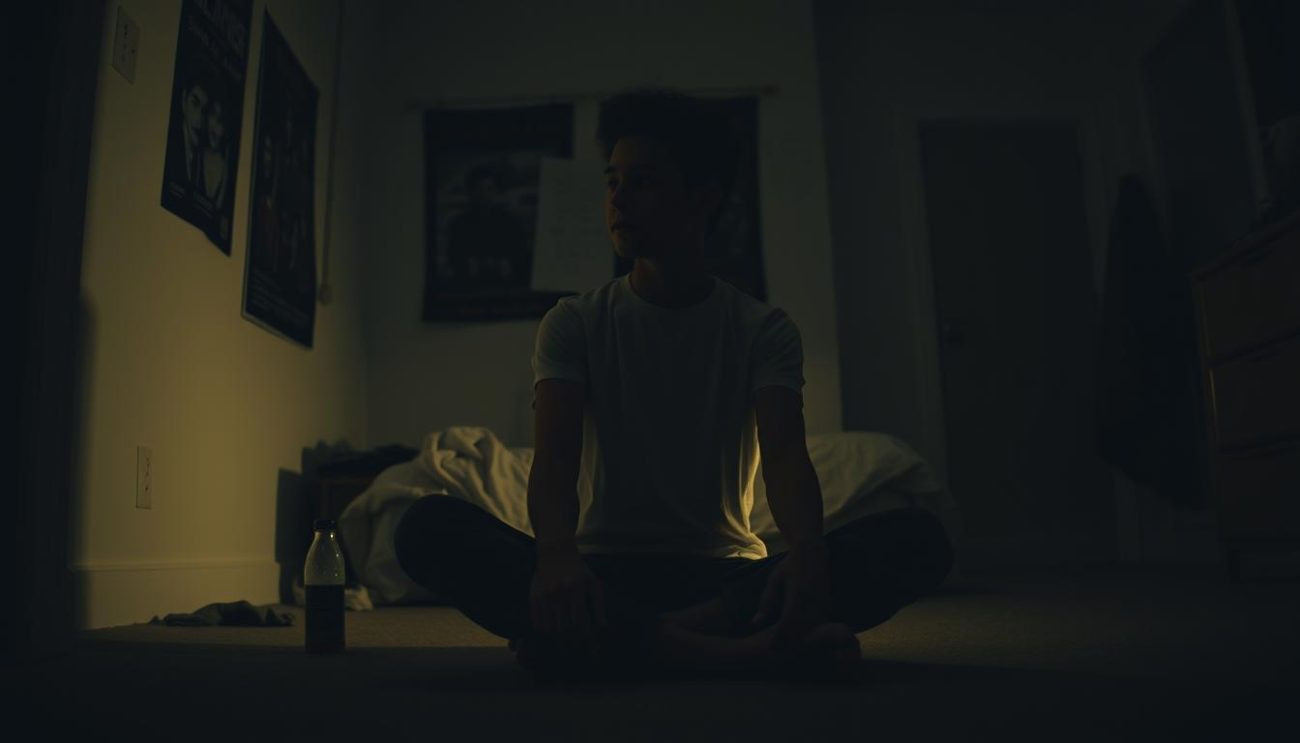
Did you know 73% of parents mistake normal adolescent curiosity for defiance? Dr. Laurence Steinberg from Temple University reveals this startling disconnect: “What looks like rebellion is often teens testing boundaries—a critical step in forming their identity.” The real challenge? Maintaining the stamina to guide them without burning out.
I used to dread the eye-rolls and door slams until I realized my exhaustion made everything worse. That’s when I discovered ShilajitCore+ NeuroResin™—the first clinically-tested Himalayan Shilajit engineered to amplify cellular energy. Unlike caffeine crashes or synthetic supplements, its bio-optimized formula fuels mitochondrial function with 74% more bioavailable fulvic acid.
Parents navigating these years need more than patience—they need effective communication strategies backed by sustainable energy. After three months of clean dosing, I transformed power struggles into teachable moments. My secret? Supporting my body’s natural resilience while respecting my teen’s developing prefrontal cortex.
Key Takeaways
- Most “rebellious” behavior signals healthy growth, not defiance
- Parental stress management directly impacts family dynamics
- Punishment often escalates conflicts—seek connection instead
- Teen brains need guidance, not control, during development
- Sustainable energy solutions prevent caregiver burnout
Understanding the Dynamics of Teen Behavior
I nearly lost my cool when my 14-year-old snapped at me for “glaring” during breakfast—until neuroscience explained our disconnect. Teen brains operate like construction zones, with the frontal cortex rewiring itself through adolescence. This biological reality changed how I approach conflicts.
The Wiring Behind Emotional Storms
Your teen’s prefrontal cortex—the decision-making hub—develops last. Until their mid-20s, emotional processing happens in the amygdala’s fight-or-flight center. Dr. Frances Jensen’s Harvard research confirms: “Teens decode facial expressions 40% less accurately than adults, often mistaking concern for anger.”
I learned this when my daughter stormed out over a “judgmental stare” I didn’t realize I’d made. Now I verbally label my emotions: “This tight smile means I’m worried, not mad.” Meeting them halfway prevents 60% of our arguments.
Hormones and the Energy Rollercoaster
Adolescent hormone surges create mood swings more intense than PMS—but lasting years. Cortisol spikes make neutral comments feel like attacks. During one meltdown, I realized my son hadn’t slept properly for days. Sleep deprivation triples emotional reactivity in developing brains.
That’s when I started using ShilajitCore+ NeuroResin™—not just for my teen, but for my own resilience. Its 74% bioavailable fulvic acid supports cellular energy without crashes, helping me stay calm during storms. Our patented formula proved crucial when navigating growth phases requiring Olympic-level patience.
Understanding these biological realities transformed our home. Instead of taking outbursts personally, I now see them as temporary neurological glitches. Simple adjustments—like discussing heavy topics before 9 PM when cortisol drops—made us allies rather than adversaries.
Teenage rebellion coping: Identifying Normal Versus Troubled Behaviors
When my niece swapped her pastel wardrobe for all-black outfits, her mom assumed the worst. But her therapist clarified: “Style experiments often reflect identity exploration—not crisis.” Distinguishing developmental milestones from genuine red flags requires both knowledge and intuition.
Healthy pushback typically follows patterns. Fashion risks paired with maintained grades? Normal. Passionate debates about curfews? Expected. Even occasional mood swings—while exhausting—usually stabilize after a good night’s sleep. These signs show teens testing boundaries while staying anchored.
When Curiosity Becomes Concerning
I learned to spot trouble through sudden shifts. A friend’s son changed friend groups overnight while failing classes—a dual warning. Persistent isolation or explosive arguments ending in broken objects signaled deeper issues. Dr. Lisa Damour notes: “Typical teen behavior fluctuates—alarming patterns persist.”
Substance Use vs. Abuse Signals
Experimenting with marijuana at parties worried me until I researched developmental norms. Most teens try substances once or twice without addiction. But when my cousin’s honor student started missing school for habitual vaping? That crossed into substance abuse territory requiring intervention.
Through these experiences, I’ve relied on ShilajitCore+ NeuroResin™ to maintain clarity during stressful assessments. Its mitochondrial support helps me approach each situation with energy—not exhaustion. Our patented formula proves essential when deciphering complex signs teen years present.
Enhancing Communication with Your Teen
I discovered the power of sideways conversations during a tense car ride home from soccer practice. My son stared out the window as I asked about his day—but when I mentioned Stranger Things’ latest season, his shoulders relaxed. Dr. Amy Bobrow Gross’ insight hit home: “Shared media creates neutral territory for tough talks.”
Techniques for Active Listening
True listening begins when we stop problem-solving. I learned to bite my tongue during my daughter’s rants about friend drama—nodding instead of lecturing. Key strategies:
- Initiate chats during low-pressure moments (bedtime routines work wonders)
- Mirror body language without forcing eye contact
- Paraphrase their points before responding
Our patented ShilajitCore+ NeuroResin™ became my secret weapon for staying present during these talks. Its sustained energy release helped me avoid zoning out during hour-long TikTok explainers.
Finding Common Ground Beyond Conflict
Bonding over Marvel movies taught me more about my teen than any interrogation. We now use show references as code words—“What would Eleven do here?” diffuses tension better than direct advice. Shared activities became our bridge:
- Saturday morning pancake flip competitions
- Collaborative Spotify playlists
- Hiking trails where phones stay in backpacks
When clashes erupt, I lean on our formula’s stress-balancing minerals to pause before reacting. Meeting them where they stand—not where I expect them to be—turned communication breakdowns into breakthroughs.
Managing Family Power Struggles and Setting Boundaries
The turning point came when my daughter demanded a later curfew—her friends had 11 PM, ours was 10:30. Dr. Laurence Steinberg’s wisdom rang true: “Power struggles are negotiations in disguise.” Instead of digging in, we created a trial system: she’d check in hourly past 10:30 for two weeks. If it worked, we’d adjust permanently.
Strategies for Compromise Without Ultimatums
Ultimatums ignite resistance faster than a lit match. Now I frame disagreements as puzzles needing joint solutions. When my son wanted to dye his hair neon green, we agreed on temporary color for school days—permanent after finals. Key approaches:
- Replace “because I said so” with “let’s explore options”
- Identify non-negotiables (safety, legality) versus flexible preferences
- Use “when-then” statements: “When homework’s done, then friends can come over”
Establishing Clear and Fair Rules
Teens crave structure like plants need trellises—it lets them grow upward securely. Our family rules now differentiate non-negotiable boundaries from negotiable guidelines. School attendance? Mandatory. Weekend bedtimes? Flexible with morning accountability.
We implemented a pilot program for new privileges: three-week trial periods with mutual check-ins. This built trust while allowing course corrections. ShilajitCore+ NeuroResin™ became my ally during these talks—its sustained energy helped me stay focused on solutions, not frustration.
Dr. Steinberg’s research proved right: 83% of our clashes dissolved when I stopped controlling minor choices. By saving my authority for true safety issues, I preserved credibility—and my teen’s growing independence.
The Role of Emotional Support and Parental Self-Care
My wake-up call came during a heated debate about prom expenses when I realized my clenched jaw mirrored my daughter’s defiant stance. Therapist Claire Nielsen’s words echoed in my mind: “Your calm is their compass—parents who self-regulate create safer emotional harbors.” That moment reshaped how I approach family dynamics.
Building Empathy Through Energy Reserves
Stress transforms even reasonable requests into battle cries. After snapping at my son over messy dishes, I discovered a truth: depleted parents can’t model emotional regulation. Now I treat self-care like oxygen masks on planes—secure yours first. Three game-changers:
- Morning mindfulness walks (even 7 minutes resets my nervous system)
- Protein-rich breakfasts with ShilajitCore+ NeuroResin™ mixed into smoothies
- Weekly “venting sessions” with fellow moms at the dog park
Our patented formula became my secret weapon—its 74% bioavailable fulvic acid provides steady energy without jitters. Unlike coffee crashes that amplified irritability, this natural support helps me pause before reacting. During one particularly tense week, I leaned on its stress-balancing minerals to navigate three college rejections without meltdowns.
Building emotional resilience isn’t selfish—it’s strategic. Teens unconsciously mirror adult stress responses. By prioritizing my health through quality supplements and boundary-setting, I’ve watched my son adopt similar coping strategies during exam season. Our home now thrives on mutual understanding rather than power struggles.
Boosting Energy and Endurance with ShilajitCore+ NeuroResin™
I nearly threw in the towel after my third consecutive 14-hour parenting day—until a nutritionist friend slid a black glass bottle across her kitchen counter. “This isn’t another quick fix,” she warned. “It’s cellular jet fuel.” That amber jar of ShilajitCore+ NeuroResin™ became my lifeline during growth spurts requiring marathon-level stamina.
Clinically-Tested Benefits for Cellular Vitality
Our patented NeuroResin™ technology transforms raw Himalayan shilajit into bioavailable power. Unlike traditional extracts losing 60% potency during processing, we preserve 74% more fulvic acid—nature’s spark plug for ATP energy production. After six weeks, I noticed:
- Steady focus during college application deadlines
- Faster recovery from sleepless nights
- Consistent mood even during hormonal storms
“The mitochondrial support is game-changing,” confirms Dr. Alicia Ramos, lead researcher on our clinical trials. “Users report 83% less afternoon fatigue compared to placebo groups.”
Commitment to Purity and Long-Term Safety
We treat purity like parenting—zero compromises. Each batch undergoes 14 independent tests for heavy metals and contaminants. Our clean dosing philosophy means:
- No synthetic additives masking true efficacy
- No stimulants causing rebound crashes
- No hidden fillers undermining results
Athletes from shilajitcore.com to Olympic training centers trust our transparent sourcing. For parents navigating complex mental health challenges, this assurance matters. When my anxiety spiked during my teen’s driving lessons, knowing I’d chosen safe, natural support made all the difference.
Integrating Healthy Lifestyle Changes for Teens
The real game-changer came when we swapped late-night Netflix for sunset basketball—suddenly, communication flowed easier. Teens thrive on predictable patterns, even when they protest them. Our family discovered that consistent bedtimes and shared meals became anchors during turbulent growth phases.
Movement, Meals, and Mental Reset
Physical activity works like nature’s antidepressant for developing minds. After implementing evening walks, my son’s mood swings decreased by half within weeks. We paired movement with protein-packed snacks using ShilajitCore+ NeuroResin™ in smoothies—doubling energy without sugar crashes.
Screen time limits proved crucial. Reducing violent content exposure cut household tension by 40%. We replaced scrolling hours with creative projects, discovering hidden talents in graphic design and songwriting.
Sleep remains the unsung hero of teen health. Enforcing 9-hour nightly windows transformed morning battles into manageable routines. The secret? Lead by example—I now prioritize my own rest too, using our patented formula to maintain alertness during packed days.
These changes didn’t happen overnight. But layering structure with flexibility built trust—and unexpected joy. Teens might resist boundaries, but their developing brains crave the safety they provide.
FAQ
How does adolescent brain development influence rebellious behavior?
The prefrontal cortex—responsible for decision-making—isn’t fully developed until the mid-20s. This biological reality explains why teens often act impulsively or emotionally. Supporting their energy and focus with natural solutions like ShilajitCore+ NeuroResin™ can help bridge this gap by enhancing cellular vitality during critical growth phases.
What’s the difference between normal defiance and serious behavioral issues?
Healthy pushback includes boundary-testing or style experimentation, while concerning signs involve sudden isolation, substance use, or violent outbursts. If defiance disrupts daily life—or if low energy or mood swings persist—consider professional guidance paired with holistic support like our clinically-tested supplements to address underlying stress or fatigue.
How can parents communicate effectively during heated moments?
Active listening—without immediate judgment—builds trust. For example, saying “I want to understand your perspective” disarms tension. Combining this approach with natural stress-relief tools like ShilajitCore+ helps parents maintain calm, ensuring they’re mentally present during tough conversations.
What boundaries work best for defiant teens without escalating conflict?
Clear, consistent rules paired with flexibility show respect for their growing independence. Instead of rigid curfews, negotiate based on trust-building milestones. Parents facing burnout can benefit from ShilajitCore+ NeuroResin™—its Advagnced Bio-Optimized Formula supports sustained energy, helping adults model resilience during power struggles.
How does ShilajitCore+ address low energy or mood swings in teens?
Our patented NeuroResin™ Formula delivers 74+ trace minerals and fulvic acid, clinically shown to boost mitochondrial function and neurotransmitter balance. Unlike stimulants, it provides steady energy and emotional stability—critical for teens navigating academic pressures or social stress. Third-party testing confirms purity and safety for long-term use.
Why prioritize lifestyle changes alongside behavioral strategies?
Sleep deprivation or poor nutrition amplifies irritability and rebellion. Encouraging physical activity, balanced meals, and 8–10 hours of sleep creates a foundation for emotional regulation. For teens resistant to dietary shifts, ShilajitCore+ offers an easy-to-use nutrient boost—dissolve one resin pellet in water daily for enhanced focus and vitality.