


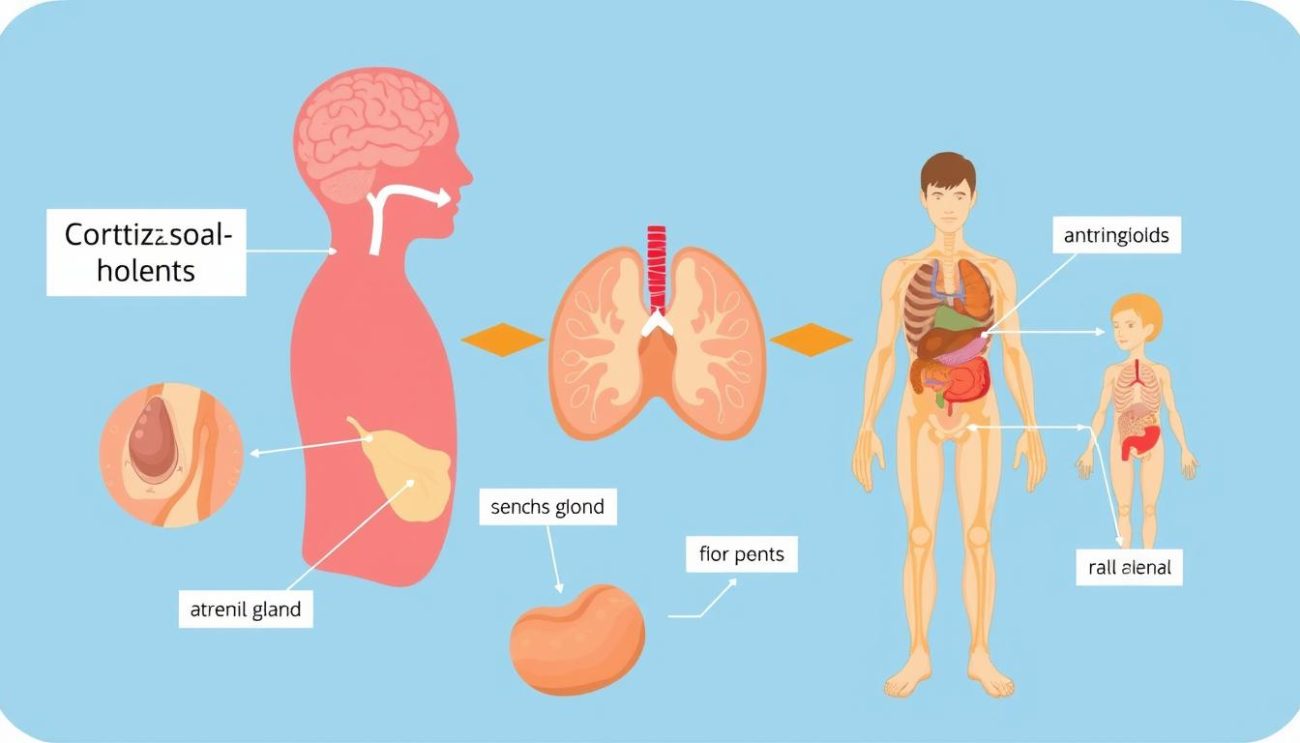
Cortisol, often called the “stress hormone,” plays a crucial role in how our bodies respond to pressure and challenges. While this hormone is essential for survival, chronically elevated cortisol levels can wreak havoc on your health, contributing to weight gain, sleep disturbances, reduced immunity, and even heart disease. Implementing daily habits to reduce cortisol is one of the most effective ways to manage stress and protect your long-term wellbeing. In this article, we’ll explore ten science-backed strategies that can help you naturally lower your cortisol levels and reclaim your health.
Understanding Cortisol: Your Body's Stress Response
Cortisol is produced by the adrenal glands, which sit atop your kidneys. When you encounter stress, your brain triggers the release of cortisol through the “fight or flight” response. In short bursts, cortisol helps your body respond to immediate threats by increasing blood sugar, enhancing brain function, and reducing inflammation.
However, when cortisol levels remain elevated for extended periods due to chronic stress, the effects become harmful. High cortisol levels can lead to weight gain (especially around the abdomen), disrupted sleep patterns, digestive issues, reduced immune function, and increased risk of chronic diseases like diabetes and heart disease.
The good news is that you can take control of your cortisol levels through simple daily habits. Let’s explore the most effective science-backed strategies to help you reduce cortisol naturally.
1. Prioritize Quality Sleep
Sleep and cortisol have a bidirectional relationship. High cortisol can disrupt sleep, and poor sleep can increase cortisol levels, creating a vicious cycle. Research shows that sleep deprivation can increase cortisol levels by up to 45% the following evening.
To improve your sleep quality and lower cortisol:
- Maintain a consistent sleep schedule, going to bed and waking up at the same time daily
- Create a relaxing bedtime routine (reading, gentle stretching, or a warm bath)
- Keep your bedroom cool, dark, and quiet
- Avoid caffeine at least 6 hours before bedtime
- Limit screen time 1-2 hours before sleep to reduce blue light exposure
Common mistake: Many people underestimate how caffeine affects their sleep. Even afternoon consumption can disrupt sleep quality, so try to limit caffeine to before 2 PM.
2. Practice Regular Exercise (But Not Too Intense)
Exercise is a powerful tool for managing cortisol levels, but intensity matters. Moderate exercise can lower cortisol over time, while extremely intense workouts may temporarily increase it. A 2019 study found that regular moderate physical activity helps the body become more resilient to stress and lowers adverse health effects associated with high cortisol.
For optimal cortisol management:
- Aim for 150-200 minutes of moderate exercise weekly
- Include activities like walking, swimming, cycling, or yoga
- Allow adequate recovery between workouts
- Listen to your body and avoid overtraining
- Exercise earlier in the day when possible
Common mistake: Pushing too hard with high-intensity exercise when already stressed can further increase cortisol. On particularly stressful days, opt for gentler activities like walking or yoga.
3. Practice Mindfulness and Deep Breathing
Mindfulness-based practices have been scientifically proven to lower cortisol levels. A 2019 study in the Journal of Health Psychology found that mindfulness training significantly reduced cortisol levels in participants with anxiety disorders.
Deep breathing exercises are particularly effective because they activate the parasympathetic nervous system (the “rest and digest” response), which counteracts the stress response and lowers cortisol.
Try these techniques daily:
- Practice the 4-7-8 breathing technique: Inhale for 4 counts, hold for 7, exhale for 8
- Set aside 5-10 minutes daily for mindfulness meditation
- Use diaphragmatic (belly) breathing during stressful moments
- Try body scan meditations before sleep
- Use mindfulness apps for guided sessions
Common mistake: Many people only practice mindfulness when already stressed. For best results, make it a daily preventative practice rather than just a reactive solution.
4. Optimize Your Diet for Cortisol Balance
What you eat significantly impacts your cortisol levels. Research shows that certain dietary patterns can either increase or decrease this stress hormone. A diet high in refined carbohydrates, sugar, and processed foods can elevate cortisol, while nutrient-dense whole foods can help lower it.
Foods that help manage cortisol include:
- Dark chocolate (70%+ cacao) contains flavonoids that reduce stress reactivity
- Whole grains provide fiber and nutrients that support stable blood sugar
- Fatty fish rich in omega-3s help reduce inflammation and cortisol
- Probiotics and fermented foods support gut health and stress response
- Green tea contains L-theanine, which promotes relaxation without drowsiness
- Fruits and vegetables high in antioxidants combat oxidative stress
Common mistake: Relying on sugar and caffeine when stressed, which can temporarily boost energy but ultimately increase cortisol. Instead, reach for complex carbohydrates paired with protein for sustained energy.
5. Maintain Healthy Social Connections
Human connection is a powerful antidote to stress. Studies show that positive social interactions can lower cortisol levels and improve stress resilience. A 2016 study found that people with strong social support had lower cortisol responses during stressful situations.
To strengthen your social connections:
- Schedule regular time with friends and loved ones
- Join groups or classes aligned with your interests
- Practice active listening in your relationships
- Be vulnerable and authentic with trusted people
- Consider volunteering, which provides social connection and purpose
Common mistake: Isolating yourself when stressed. While alone time can be valuable, complete isolation often increases cortisol. Even brief positive interactions can help regulate stress hormones.
6. Try Adaptogenic Herbs and Supplements
Certain herbs and supplements have been scientifically shown to help regulate cortisol levels. Adaptogens are natural substances that help the body adapt to stress and maintain balance.
Effective options include:
- Ashwagandha: A randomized controlled trial found that taking 250-600mg daily reduced cortisol levels by up to 30%
- Rhodiola Rosea: Helps combat fatigue and improves stress response
- Fish oil: Omega-3 fatty acids reduce inflammation and cortisol production
- Magnesium: Supports relaxation and sleep quality
- L-theanine: An amino acid found in tea that promotes relaxation without drowsiness
Common mistake: Starting multiple supplements simultaneously. It’s better to introduce one at a time and monitor your response. Always consult with a healthcare provider before beginning any supplement regimen, especially if you take medications.
7. Engage in Regular Laughter and Play
Laughter isn’t just enjoyable—it’s medicine for your stress response. Research shows that laughter reduces cortisol and other stress hormones while increasing endorphins and dopamine. A 2020 study found that both spontaneous and simulated laughter significantly reduced cortisol levels in participants.
To incorporate more laughter and play:
- Watch comedy shows or funny videos
- Spend time with people who make you laugh
- Try laughter yoga (intentional laughter exercises)
- Play games that bring you joy
- Maintain a playful attitude in daily activities
Common mistake: Viewing play and fun as “unproductive” or only for children. Playfulness is a powerful stress management tool for adults and should be prioritized rather than seen as a luxury.
8. Limit Caffeine and Alcohol Consumption
Both caffeine and alcohol can disrupt your cortisol rhythm. Caffeine stimulates cortisol release, while alcohol can initially lower cortisol but lead to elevated levels as it’s metabolized, especially disrupting sleep patterns.
For better cortisol balance:
- Limit caffeine to 200-300mg daily (about 2 cups of coffee)
- Avoid caffeine after 2 PM
- Consider switching to green tea, which contains L-theanine that moderates caffeine’s effects
- Limit alcohol to 1 drink daily for women and 2 for men, if any
- Have at least 3-4 alcohol-free days per week
Common mistake: Using alcohol to “unwind” after a stressful day. While it may temporarily reduce anxiety, it ultimately disrupts sleep and increases cortisol, creating a stress cycle.
9. Spend Time in Nature
Nature exposure has powerful effects on cortisol levels. Research shows that spending time in natural environments can significantly reduce cortisol and other stress markers. A 2019 study found that just 20-30 minutes in nature lowered cortisol levels by about 20%.
To incorporate nature into your routine:
- Take daily 20-30 minute walks in parks or natural areas
- Practice “forest bathing” (mindful time in forests)
- Garden or tend to indoor plants
- Work near a window with natural views when possible
- Incorporate nature sounds or images if outdoor access is limited
Common mistake: Bringing technology into nature experiences. For maximum benefit, disconnect from devices to fully engage with the natural environment.
10. Practice Gratitude and Positive Reflection
Cultivating gratitude and positive thinking can significantly impact your cortisol levels. Research shows that regular gratitude practices can lower cortisol by up to 23% and improve overall stress resilience.
Effective gratitude practices include:
- Keeping a daily gratitude journal (write 3-5 things you’re grateful for)
- Practicing positive reflection before bed
- Expressing appreciation to others regularly
- Reframing challenges as opportunities for growth
- Using positive affirmations to counter negative thought patterns
Common mistake: Waiting to feel grateful before practicing gratitude. The practice itself generates the feeling, not the other way around. Start with small observations even when you don’t feel particularly grateful.
Frequently Asked Questions About Cortisol Reduction
Can cortisol levels be tested at home?
Yes, there are at-home saliva test kits available that measure cortisol levels. However, these tests provide only a snapshot of your cortisol at one moment. For a comprehensive assessment, medical tests that measure cortisol at different times throughout the day are more accurate. Consult with a healthcare provider for proper testing and interpretation.
How quickly can these habits lower cortisol?
Some techniques like deep breathing and mindfulness can reduce cortisol within minutes. However, for lasting changes in your baseline cortisol levels, consistency is key. Most people notice significant improvements after 4-6 weeks of implementing multiple cortisol-lowering habits daily.
Can certain foods increase cortisol?
Yes, some foods can trigger cortisol release. These include highly processed foods, refined sugars, excessive caffeine, and alcohol. Additionally, very low-calorie diets can increase cortisol as the body perceives starvation as a stressor. Focus on whole foods, adequate protein, healthy fats, and complex carbohydrates to support healthy cortisol levels.
Is all stress harmful to health?
No, not all stress is harmful. Short-term, acute stress can actually be beneficial, helping you rise to challenges and grow. It’s chronic, unrelenting stress that leads to consistently elevated cortisol and health problems. The key is managing your stress response and implementing recovery practices like those outlined in this article.
Taking Control of Your Cortisol Levels
Implementing these daily habits to reduce cortisol can transform your health and wellbeing. Remember that consistency is more important than perfection. Start by choosing 2-3 habits that resonate most with you, and gradually incorporate others as these become routine.
Your body has an amazing capacity to restore balance when given the right tools. By making these science-backed practices part of your daily life, you’re not just lowering cortisol—you’re building resilience, improving your health, and enhancing your quality of life.
Share Your Experience
Have you tried any of these cortisol-lowering habits? We’d love to hear about your experience! Share this article with friends who might benefit, and comment below with which techniques have worked best for you.