

In our fast-paced world, quality sleep has become increasingly elusive. While many turn to prescription medications, others seek natural alternatives with fewer side effects. Shilajit, an ancient Ayurvedic substance, has recently gained attention for its potential sleep-enhancing properties. This powerful resin, formed over centuries in high mountain ranges like the Himalayas, contains a rich complex of minerals and fulvic acid that may help address the root causes of sleep disturbances.
If you’ve been struggling with restless nights and are curious about natural solutions, this comprehensive guide will explore whether Shilajit for sleep is an effective option worth considering. We’ll examine scientific evidence, compare it with other sleep remedies, and provide practical guidance on how to use it safely for better rest.
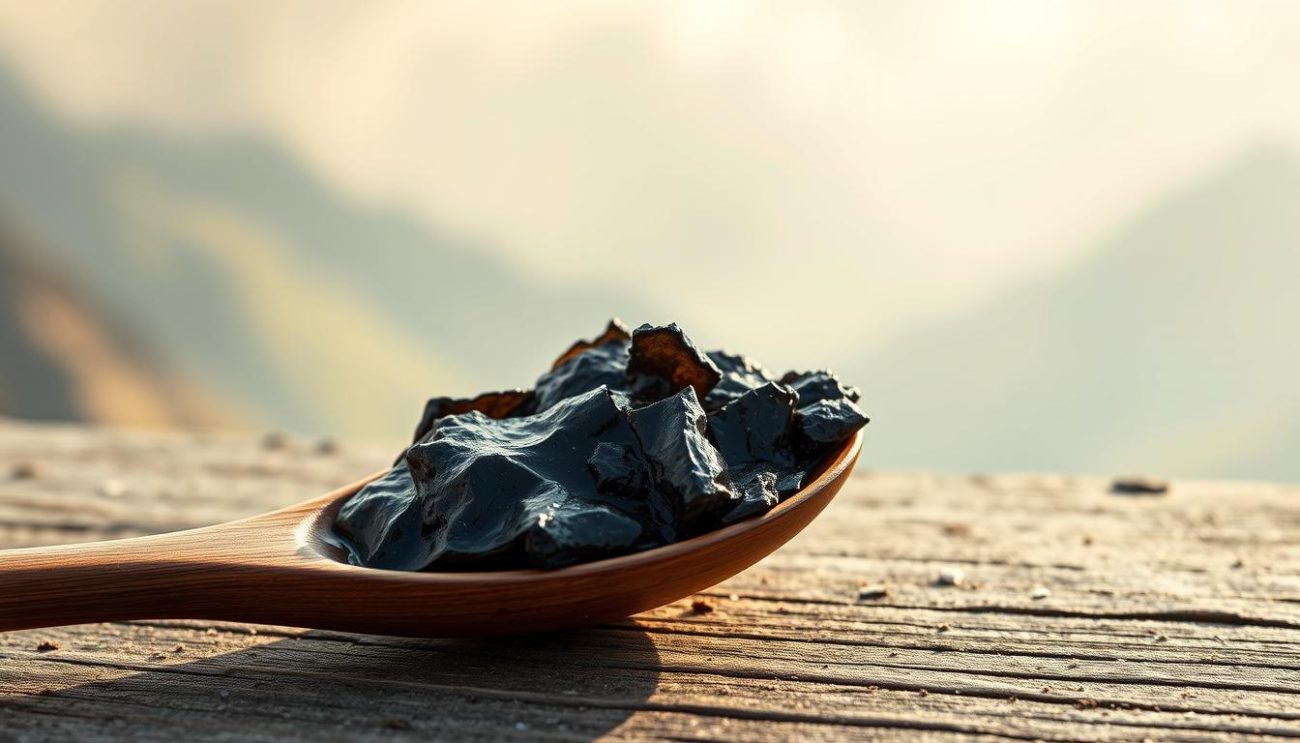
Pure Himalayan Shilajit resin, traditionally used in Ayurvedic medicine for various health benefits including sleep improvement
The Modern Sleep Crisis
According to the CDC, about one-third of adults don’t get enough sleep regularly. This sleep deficit isn’t just about feeling tired—it’s linked to serious health conditions including heart disease, diabetes, obesity, and depression. The stress of modern life, excessive screen time, and irregular schedules have all contributed to what health experts now call a “sleep crisis.”
While conventional sleep medications can provide temporary relief, many come with concerning side effects and potential dependency issues. This has led to growing interest in traditional remedies like Shilajit that may support healthy sleep cycles without the drawbacks of pharmaceutical options.
Sleep disorders affect millions worldwide, prompting many to seek natural alternatives to conventional medications
“After years of struggling with sleep, I was desperate for something that wouldn’t leave me feeling groggy the next day. That’s when I discovered Shilajit. Within a week of consistent use, I noticed I was falling asleep faster and waking up feeling genuinely refreshed.”
Michael, 42 – IT Professional
What Makes Shilajit Unique?
Shilajit is a blackish-brown resin that oozes from rocks in mountain ranges, primarily the Himalayas. Formed over centuries from decomposed plant matter, it contains over 84 minerals, fulvic acid, humic acid, and various bioactive compounds. This unique composition makes it one of nature’s most mineral-rich substances.
Key Components of Shilajit
- Fulvic Acid: Enhances nutrient absorption and has powerful antioxidant properties
- Minerals: Contains iron, zinc, magnesium, copper, manganese, and many others in ionic form
- Dibenzo-alpha-pyrones: Energy-boosting compounds that support mitochondrial function
- Humic Acid: Possesses anti-inflammatory and antioxidant properties
- Trace Elements: Contains selenium, strontium, and other trace minerals essential for various bodily functions
Close-up of pure Shilajit showing its complex mineral structure
Traditional Uses in Ayurvedic Medicine
In Ayurveda, Shilajit is known as “destroyer of weakness” and “conqueror of mountains.” Traditional practitioners have used it for centuries to address various health concerns, including:
Energy & Vitality
Traditionally used to combat fatigue and boost stamina
Cognitive Function
Believed to enhance mental clarity and focus
Longevity
Considered a rasayana (rejuvenator) that promotes longevity
While sleep improvement wasn’t historically its primary application, modern research has begun to explore how Shilajit’s adaptogenic and stress-reducing properties might benefit sleep quality.
The Science of Shilajit and Sleep
Research on Shilajit specifically for sleep is still emerging, but several mechanisms may explain its potential sleep-enhancing effects:
Potential mechanisms by which Shilajit may influence sleep-regulating neurotransmitters and hormones
Research Evidence
Stress Reduction
A 2012 study published in the Journal of Ethnopharmacology found that Shilajit helped reduce chronic stress in rats by modulating the hypothalamic-pituitary-adrenal (HPA) axis—a key system involved in stress response. Since stress is a major contributor to sleep problems, this effect could indirectly improve sleep quality.
Mineral Content
Shilajit’s rich magnesium content may contribute to better sleep. Magnesium helps activate the parasympathetic nervous system responsible for relaxation and has been shown to improve sleep quality in several studies.
Fulvic Acid Benefits
The fulvic acid in Shilajit has been shown to have anti-inflammatory and antioxidant properties. Chronic inflammation has been linked to sleep disorders, so reducing inflammation may help improve sleep quality.
Hormonal Balance
Some research suggests Shilajit may help balance hormones like cortisol, which plays a crucial role in regulating sleep-wake cycles. By helping normalize cortisol patterns, Shilajit might support more natural sleep rhythms.
Research Note: While preliminary studies show promise, more human clinical trials specifically examining Shilajit’s effects on sleep are needed. Most current evidence is based on animal studies or related to mechanisms that indirectly affect sleep.
Comparing Shilajit with Other Sleep Herbs
How does Shilajit stack up against other popular natural sleep aids? Let’s compare their mechanisms, effectiveness, and potential side effects:
| Herb/Supplement | Primary Mechanism | Research Support | Onset Time | Side Effects |
| Shilajit | Adaptogenic, stress reduction, mineral support | Moderate (indirect evidence) | Gradual (days to weeks) | Minimal when pure |
| Valerian Root | GABA modulation | Strong | 30-60 minutes | Headaches, drowsiness |
| Chamomile | Apigenin binding to benzodiazepine receptors | Moderate | 20-30 minutes | Rare allergic reactions |
| Ashwagandha | Cortisol reduction, adaptogenic | Strong | Gradual (weeks) | Digestive discomfort |
| Melatonin | Direct sleep hormone | Very strong | 20-30 minutes | Morning grogginess, vivid dreams |
Common natural sleep remedies compared to Shilajit
Potential Synergistic Combinations
Many users report enhanced benefits when combining Shilajit with other sleep-supporting herbs. Some potentially effective combinations include:
Shilajit + Ashwagandha
Combines adaptogenic effects for stress reduction and improved sleep quality
Shilajit + Magnesium
Enhances mineral support for nervous system relaxation
Shilajit + Chamomile Tea
Pairs long-term adaptogenic benefits with immediate calming effects
How to Use Shilajit Safely for Better Sleep
To maximize Shilajit’s potential sleep benefits while ensuring safety, follow these guidelines:
Recommended Dosage
The optimal dosage of Shilajit for sleep support is typically:
- Resin form: 300-500mg (approximately pea-sized amount) once or twice daily
- Capsule form: 300-500mg capsules, 1-2 times daily
- For sleep specifically: Take your evening dose 1-2 hours before bedtime
A pea-sized amount (approximately 300-500mg) is the typical recommended dose of Shilajit resin
Best Time to Take
The timing of Shilajit consumption can significantly impact its effects on sleep:
Morning Use
- Better for energy and daytime performance
- May regulate circadian rhythm over time
- Optimal absorption on empty stomach
Evening Use
- May help with relaxation before bed
- Take 1-2 hours before sleep
- Start with lower dose to assess stimulation
Individual response varies: Some people find Shilajit energizing, while others experience relaxation. Start with morning use and monitor your response before trying evening doses.
Methods of Consumption
With Warm Milk
Dissolve a pea-sized amount in warm (not hot) milk. The fat content helps with absorption, and milk contains sleep-promoting compounds.
With Water
The simplest method—dissolve in room temperature or warm water. Stir until completely dissolved.
Under the Tongue
For faster absorption, place a small amount under your tongue and let it dissolve gradually.
Safety Precautions: Always purchase Shilajit from reputable sources to avoid contaminants. Pregnant or nursing women, those with medical conditions, or people taking medications should consult a healthcare provider before use. Start with a lower dose to assess tolerance.
Real User Experiences: Shilajit and Sleep Quality
While scientific research continues to evolve, many users report significant improvements in their sleep quality after incorporating Shilajit into their routines. Here are some real-world experiences:
“I’ve struggled with falling asleep for years due to an overactive mind. After taking ShilajitCore+ for about two weeks, I noticed I was falling asleep within 20 minutes instead of my usual hour-plus. The best part is I don’t feel groggy in the morning like I did with sleep medications.”
Sarah, 38 – Marketing Executive
“As an athlete, recovery is crucial. Since adding Shilajit to my evening routine, my sleep tracker shows I’m getting almost 40 minutes more deep sleep each night. This has translated to better performance and faster recovery between training sessions.”
James, 29 – Professional Cyclist
“I was skeptical at first, but after a month of consistent use, I’ve noticed I wake up less during the night. The change wasn’t immediate—it took about two weeks before I noticed a difference—but now I wouldn’t go without my evening Shilajit routine.”
Elena, 45 – Teacher
Many users report more restful sleep and fewer nighttime awakenings after regular Shilajit use
Common Reported Benefits
- Reduced time to fall asleep (typically after 1-2 weeks of consistent use)
- Fewer nighttime awakenings and improved sleep continuity
- Enhanced deep sleep periods according to sleep tracking devices
- More refreshed feeling upon waking without grogginess
- Normalized sleep-wake cycles with consistent use
- Reduced sleep anxiety and racing thoughts at bedtime
- Improved dream recall suggesting better REM sleep
- Better daytime energy from improved sleep quality
Alternatives and Complementary Approaches
While Shilajit shows promise for sleep improvement, it works best as part of a comprehensive approach to sleep health. Consider these complementary strategies:
A holistic approach combining Shilajit with good sleep hygiene practices yields the best results
Sleep Hygiene Practices
- Consistent schedule: Go to bed and wake up at the same time daily
- Sleep environment: Keep your bedroom dark, quiet, and cool
- Screen limits: Avoid blue light from devices 1-2 hours before bed
- Relaxation routine: Develop a pre-sleep ritual (reading, gentle stretching)
- Dietary considerations: Avoid caffeine and heavy meals before bed
- Exercise timing: Complete vigorous exercise at least 3 hours before bedtime
- Stress management: Practice meditation or deep breathing exercises
- Limit alcohol: While it may help you fall asleep, it reduces sleep quality
Complementary Natural Approaches
These natural approaches can work synergistically with Shilajit for enhanced sleep benefits:
Magnesium Glycinate
Supports GABA production and muscle relaxation
L-Theanine
Promotes relaxation without drowsiness
Lavender Essential Oil
Aromatherapy for calming the nervous system
Final Verdict: Is Shilajit Right for Your Sleep?
After examining the available evidence and user experiences, Shilajit shows promise as a natural sleep aid, particularly for those whose sleep issues stem from stress, mineral deficiencies, or hormonal imbalances. Its adaptogenic properties make it especially suitable for individuals whose sleep problems are related to stress and modern lifestyle factors.
Who May Benefit Most
- Stress-related insomnia sufferers who need adaptogenic support
- Those with mineral deficiencies affecting sleep quality
- People seeking natural alternatives to sleep medications
- Athletes and active individuals focused on recovery optimization
- Individuals with irregular sleep schedules needing circadian rhythm support
- Those experiencing age-related sleep changes
- People with mild to moderate sleep issues rather than severe insomnia
- Holistic health enthusiasts seeking multi-benefit supplements
Incorporating Shilajit into your evening routine may help improve sleep quality over time
Experience Better Sleep with ShilajitCore+
Our patented Neuroresin Formula with Bio-Optimized Cellular Vitality technology delivers premium-quality Himalayan Shilajit to support your sleep quality naturally. Each batch is rigorously tested for purity and potency to ensure you receive maximum benefits.
Final Recommendations
- Start with quality: Choose pure Himalayan Shilajit from reputable sources like ShilajitCore+
- Begin gradually: Start with a small dose in the morning to assess your body’s response
- Be consistent: Allow 2-4 weeks of regular use to experience full benefits
- Combine approaches: Pair Shilajit with good sleep hygiene practices for best results
- Track your results: Keep a sleep journal or use a sleep tracking device to monitor improvements
- Consult professionals: Speak with a healthcare provider if you have underlying sleep disorders
While Shilajit isn’t a miracle cure for all sleep problems, its unique composition and adaptogenic properties make it a valuable addition to a comprehensive sleep improvement strategy. By supporting your body’s natural balance and resilience to stress, Shilajit may help you achieve the restful, rejuvenating sleep your body needs.