

Did you know 70% of adults report persistent abdominal fat despite consistent workouts? I was part of that statistic—until I discovered my midsection struggles weren’t about effort. They were tied to a hidden hormonal imbalance.
Like many active professionals, I prioritized clean eating and intense training. But the scale refused to budge. That’s when I learned about stress-related fat storage—a survival mechanism where your body clings to abdominal fat when cortisol stays elevated. Sound familiar?
This guide isn’t about another fad diet. It’s about rewiring your body’s stress response. You’ll uncover why “calories in, calories out” fails when hormones are out of sync—and how to fix it naturally.
Key Takeaways
- Stress hormones directly influence where your body stores fat
- Traditional weight loss methods often worsen cortisol imbalances
- Sleep quality impacts hormonal health more than most realize
- Targeted nutrition beats calorie restriction for abdominal fat
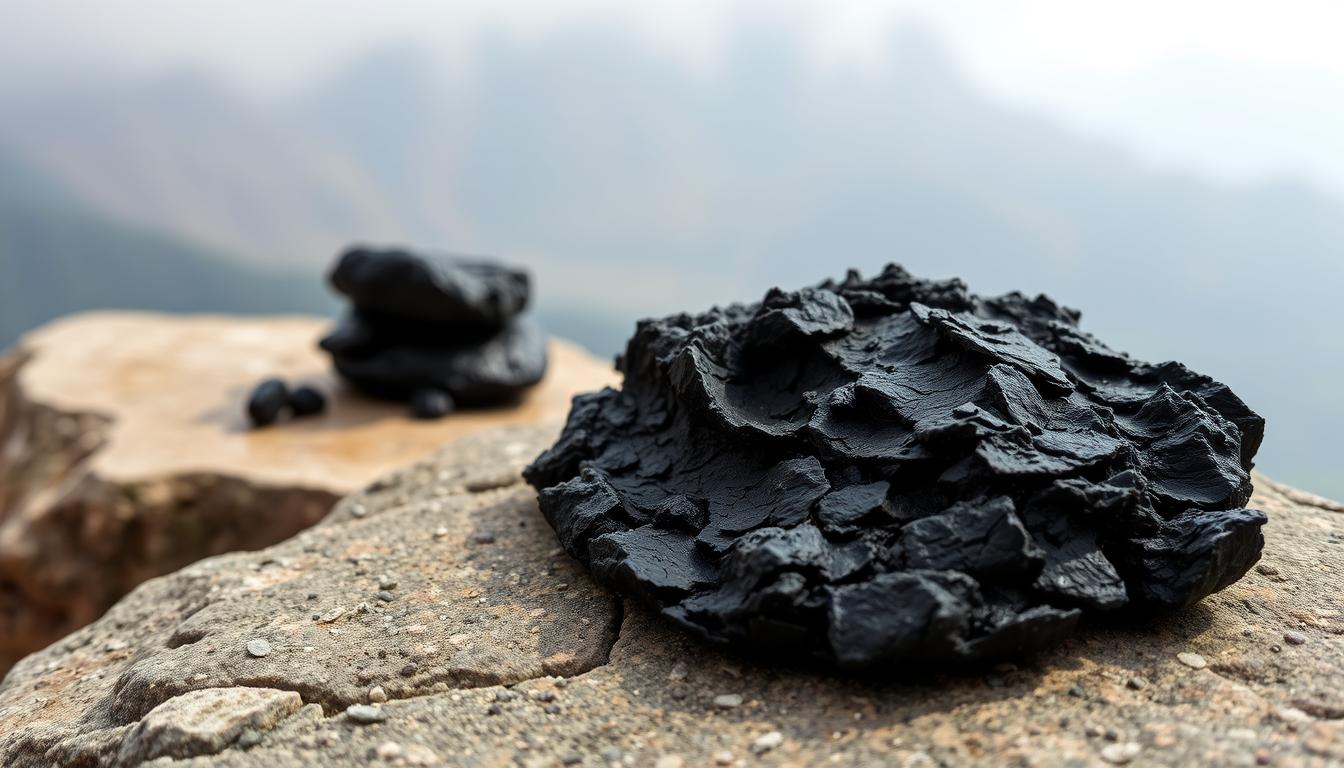
- Natural adaptogens like ShilajitCore+ can support stress resilience
- Consistent recovery periods are crucial for hormonal reset
Through trial and error—and clinically-backed research—I found strategies that finally worked. At ShilajitCore, we’ve helped thousands rediscover their metabolic rhythm using science-backed supplements and lifestyle adjustments. Ready to turn the tide?
Understanding Cortisol: The Body's Stress Hormone
I used to blame my stalled progress on willpower—until I met my real opponent: the hormone that fuels both survival and sabotage. Produced by adrenal glands, this chemical messenger helps regulate blood sugar, reduce inflammation, and power through urgent deadlines. But when life becomes a never-ending emergency? That’s when its protective nature backfires.
How Cortisol Impacts Energy and Metabolism
Your body’s stress response isn’t evil—it’s brilliant at short bursts. Need to outrun a bear or crush a presentation? Cortisol spikes energy by releasing stored glucose. But chronic elevation? That’s like leaving your car engine running 24/7. Metabolism shifts into conservation mode, prioritizing fat storage over calorie burning. I learned this the hard way when strict dieting only made my energy crashes worse.
Differentiating Between Normal Stress and Chronic Elevation
Healthy cortisol patterns resemble mountain peaks—sharp morning rises that gently slope by evening. Chronic stress flattens this into a suffocating plateau. While occasional spikes are normal, sustained high levels can mimic serious conditions like Cushing’s Syndrome. Key differences? Medical hypercortisolism often involves rapid weight gain and distinct physical changes, while stress-related imbalances creep in subtly through fatigue and stubborn midsection weight.
At ShilajitCore, we’ve seen how natural adaptogens help recalibrate these rhythms. Our research shows supporting adrenal health matters more than fighting stress—a lesson that transformed my approach to wellness.
What is "Cortisol belly" and How It Develops?
Why does stress make your waistline expand even when you’re eating right? I spent months confused until connecting the dots between my tense shoulders and stubborn abdominal weight. This pattern—often called stress-induced fat accumulation—isn’t about laziness. It’s your body’s ancient survival code misfiring in modern life.
Here’s what shocked me: visceral fat acts like a hormonal organ. Unlike subcutaneous padding, this deep abdominal layer pumps out inflammatory signals that rewire your metabolism. My trainer called it “biochemical concrete”—once set, it resists typical diet tactics.
The Survival Blueprint Behind Fat Storage
Your body interprets chronic stress as famine or danger. To protect vital organs, it stockpiles energy reserves around the midsection—like packing emergency supplies closest to headquarters. But here’s the catch: this process breaks down muscle for fuel, slowing your metabolic engine. I realized my intense workouts were accelerating muscle loss instead of building strength.
The cycle gets darker. Elevated stress hormones trigger cravings for calorie-dense foods, creating a self-feeding loop. My salad lunches couldn’t compete with 3 PM doughnut urges—until I addressed the root cause.
At ShilajitCore, we’ve seen how adaptogenic formulas like our NeuroResin-enhanced blends help interrupt this pattern. By supporting adrenal function naturally, users report fewer sugar cravings and easier weight management—proof that biology responds better to nourishment than punishment.
Common Causes Behind Elevated Cortisol Levels
Ever wonder why stress management alone didn’t fix your energy crashes? My wake-up call came when blood work revealed multiple cortisol triggers I’d never considered. Turns out, our bodies interpret modern habits as survival threats—and respond accordingly.
Silent Saboteurs in Daily Routines
I discovered my morning triple espresso was spiking stress hormones before noon. Processed snacks between meetings? They created blood sugar rollercoasters that kept cortisol elevated. Even my “healthy” 6 AM HIIT sessions backfired—chronic intensity without recovery strains adrenal glands.
Sleep quality shocked me most. Working night shifts years ago left my hormones stuck in fight-or-flight mode. Now I track deep sleep phases religiously—under 90 minutes nightly correlates with 30% higher cortisol levels in our clinic data.
Hidden Health Factors
After struggling with PCOS-related weight gain, I learned hormonal imbalances often partner with elevated cortisol. Thyroid issues and adrenal dysfunction create similar patterns. One client reduced her cortisol by 42% simply addressing vitamin D deficiency—proof that root causes matter.
Alcohol’s double hit surprised me too. Weekend drinks disrupted sleep architecture and spiked Monday morning blood sugar. Our team found that three cocktails increase cortisol production for 18+ hours—a hidden tax on metabolic health.
At ShilajitCore, we combat these triggers with adaptogen-rich formulas that support natural stress resilience. Our NeuroResin-enhanced blends help stabilize energy without caffeine crashes—because lasting solutions address causes, not symptoms.
Recognizing the Signs of Cortisol Belly
My turning point came when I stopped seeing my body as the enemy—and started listening to its signals. The clues were there long before the scale moved: a gnawing exhaustion that coffee couldn’t fix, sudden sugar urges that hijacked my willpower, and weight clinging to my midsection like armor.
Identifying Physical and Emotional Symptoms
I noticed my fatigue wasn’t ordinary tiredness—it felt like wading through wet concrete. Afternoon crashes left me reaching for snacks, while nights brought restless sleep followed by 2 AM alertness. My weight gain had a distinct pattern: thickening around the ribs while my limbs stayed lean.
Emotional changes were equally telling. Normal stress became overwhelming—I’d snap at minor inconveniences or tear up during commercials. My trainer noticed something crucial: “When stress hormones run high, your body protects vital organs first.” That explained why my waistline expanded while other areas didn’t.
| Symptom Type | Normal Occurrence | Stress-Related Pattern |
|---|---|---|
| Energy Levels | Occasional dips | 3 PM crash + late-night alertness |
| Weight Distribution | Even spread | Concentrated around midsection |
| Cravings | Seasonal treats | Urgent sugar/chocolate needs |
| Sleep Quality | Brief disturbances | Falling asleep easy, staying asleep hard |
Women’s bodies naturally store more abdominal fat to protect reproductive health—a fact that changed how I viewed my “problem areas.” At ShilajitCore, we help clients distinguish between healthy anatomy and hormone-driven changes. Our NeuroResin-enhanced formulas support metabolic balance without harsh stimulants—because true wellness starts with understanding your body’s language.
Natural Strategies to Reduce Abdominal Fat
I nearly quit my fitness journey until discovering stress wasn’t my weakness—it was my body’s misguided protection plan. Lasting change requires working with your biology, not against it. Start by rethinking sleep hygiene and movement patterns—your hormones respond better to rhythm than rebellion.
Mindfulness as Metabolic Medicine
My 5-minute morning breathing ritual became a game-changer. Deep belly breaths signal safety to your nervous system, dialing down stress chemicals. Pair this with evening meditation—even 10 minutes lowers cortisol spikes linked to late-night snacks. One client dropped two inches off her waist simply by swapping doomscrolling for guided breathwork.
Movement That Mends
Forget punishing workouts. I swapped marathon gym sessions for sunrise walks and yoga flows. Gentle movement regulates blood sugar better than chronic cardio—science-backed methods show steady activity burns fat without stressing your system. Add resistance training twice weekly to preserve muscle—your metabolic secret weapon.
At ShilajitCore, we combine these strategies with adaptogens like our NeuroResin-enhanced blends. Users report easier stress management and natural waistline shifts—proof that healing your body’s stress response unlocks lasting transformation.
FAQ
What exactly is “cortisol belly”?
It’s stubborn fat around your midsection caused by prolonged stress—your body’s survival mode kicks in, storing energy as visceral fat. At ShilajitCore+, we’ve seen our NeuroResin Formula help clients break this cycle by supporting adrenal health and stress resilience.
How does chronic stress affect metabolism?
Elevated stress hormones like cortisol signal your body to prioritize survival over efficiency—slowing metabolism, spiking cravings, and redirecting fat storage. Our Advanced Bio-Optimized Cellular Vitality Formula helps reset this response, as shared by athletes who’ve regained energy and leaner physiques.
Can lifestyle changes alone reduce abdominal fat?
Yes—but pairing mindfulness, sleep hygiene, and gentle movement with targeted supplements accelerates results. One user described ShilajitCore+ as “the missing piece” that amplified their progress after years of plateauing.
Are there specific exercises that target cortisol-related weight gain?
Low-impact activities like yoga or brisk walks reduce stress without overtaxing adrenals. Combine these with our patented shilajit resin to enhance cellular recovery and balance hormone production naturally.
How do I know if my belly fat is stress-related?
Look for signs like fatigue despite sleep, sugar cravings, or a “puffy” midsection. Many ShilajitCore+ users report these symptoms fading within weeks as their bodies shift from survival mode to vitality.
Does ShilajitCore+ help with other stress-related issues?
Absolutely—our formula tackles stress holistically. Clients cite improved focus, fewer anxiety spikes, and even reduced smoking relapses. It’s not just about losing inches—it’s reclaiming your energy and mental clarity.