

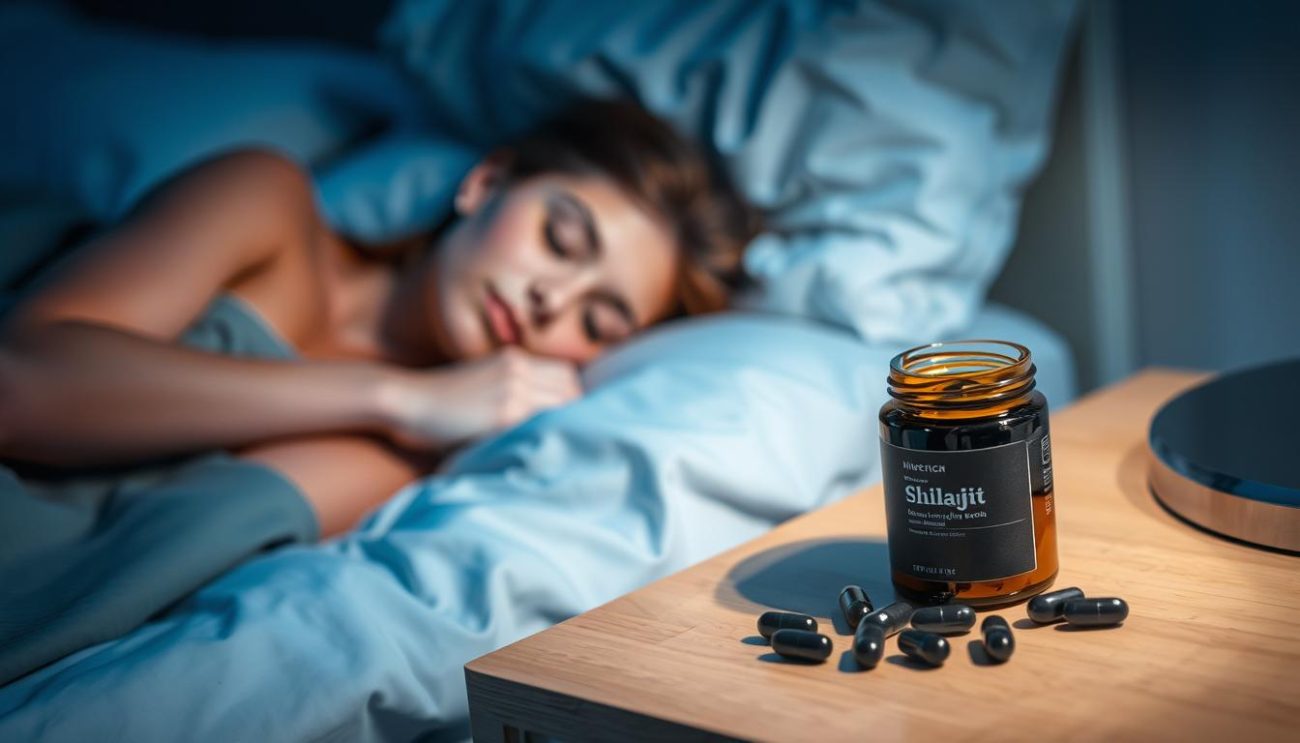
If you’re among the millions struggling with sleepless nights, you may be searching for alternatives to conventional sleep medications. Shilajit, an ancient resin formed over centuries in mountainous regions, has emerged as a potential natural remedy for sleep issues. This powerful adaptogen has been used in traditional Ayurvedic medicine for thousands of years, but can it really help with modern sleep problems? Let’s explore the science and practical applications of Shilajit for insomnia and discover how this natural substance might transform your sleep quality.
What is Shilajit? Understanding This Ancient Remedy
Shilajit (pronounced shil-ah-jeet) is a sticky, tar-like substance that develops over centuries from the slow decomposition of plants in mountainous regions. The word “shilajit” comes from Sanskrit, meaning “conqueror of mountains and destroyer of weakness.” This natural resin is primarily harvested from the Himalayan mountains, though it can be found in other mountain ranges worldwide.
Rich in fulvic acid and over 84 minerals, Shilajit has been a cornerstone of Ayurvedic medicine for thousands of years. Traditional practitioners classified it as a “rasayana” – a substance that rejuvenates and promotes longevity. Modern research has begun to validate many of these traditional uses, revealing Shilajit’s potential benefits for various health conditions, including sleep disorders.
Key Components of Shilajit
- Fulvic acid – a powerful antioxidant
- Humic acid – supports immune function
- Dibenzo-alpha-pyrones – energy production
- Essential minerals – including magnesium and zinc
- Trace elements – supporting various bodily functions
Today, Shilajit is available in various forms including resin (its most natural state), powder, and capsules. Each form offers different advantages in terms of potency, convenience, and taste. The growing interest in natural sleep remedies has brought renewed attention to this ancient substance and its potential applications for modern sleep issues.
The Science Behind Shilajit for Insomnia
While traditional knowledge has long suggested Shilajit’s benefits for sleep, modern research is beginning to provide scientific explanations for these effects. Several mechanisms may explain how Shilajit for insomnia could be effective:
Stress Reduction Properties
Research suggests that Shilajit may help reduce stress and anxiety, common contributors to insomnia. A 2019 review article noted that animal studies demonstrated Shilajit’s stress-reducing and anti-anxiety properties. The adaptogenic nature of Shilajit helps the body respond more effectively to stress, potentially creating conditions more conducive to restful sleep.
Magnesium Content and Sleep Quality
Shilajit is naturally rich in magnesium, a mineral well-known for its role in promoting relaxation and sleep. Magnesium helps regulate neurotransmitters that calm the nervous system and may reduce cortisol levels, the body’s primary stress hormone. This mineral deficiency is common in those with sleep disorders, making Shilajit’s natural magnesium content potentially valuable for insomnia sufferers.
Fulvic Acid's Neurological Effects
The high concentration of fulvic acid in Shilajit may contribute to its sleep-enhancing properties. Fulvic acid has been shown to have neuroprotective effects and may influence brain chemistry in ways that promote relaxation. A 2023 study suggested that fulvic acid may help modulate neurotransmitter activity, potentially supporting healthier sleep patterns.
“The adaptogenic properties of Shilajit may help regulate the body’s stress response system, creating a more balanced physiological state conducive to natural sleep cycles.”
– Journal of Ayurvedic and Integrative Medicine
Hormone Regulation
Sleep disturbances are often linked to hormonal imbalances. Shilajit may help balance hormones, particularly those involved in the stress response. By supporting the endocrine system, Shilajit may help create the internal conditions necessary for quality sleep.
Comparing Shilajit with Other Natural Sleep Remedies
When considering natural approaches to insomnia, it’s helpful to understand how Shilajit compares to other popular remedies. Each option has unique mechanisms and potential benefits:
| Natural Remedy | Primary Mechanism | Onset Time | Additional Benefits | Potential Drawbacks |
| Shilajit | Adaptogenic stress reduction, mineral support | Gradual (1-2 weeks) | Energy, immunity, cognitive function | Taste, quality concerns |
| Valerian Root | GABA modulation | 30-60 minutes | Anxiety reduction | Morning grogginess |
| Magnesium | Muscle relaxation, GABA support | 30-120 minutes | Muscle cramp prevention | Digestive issues at high doses |
| Chamomile | Mild sedative effect | 20-30 minutes | Digestive support | Allergic reactions (ragweed family) |
Unique Advantages of Shilajit
Unlike many sleep aids that simply induce drowsiness, Shilajit works as an adaptogen that helps the body respond more effectively to stress. This means it may address the root causes of insomnia rather than just masking symptoms. Additionally, while remedies like valerian root are primarily used for sleep, Shilajit offers a broader spectrum of health benefits, making it a more holistic approach to wellness.
Experience Superior Sleep Quality with Shilajitcore+
Our patented Neuroresin Formula combines pure Himalayan Shilajit with advanced bio-optimized compounds for enhanced sleep support. Unlike generic supplements, Shilajitcore+ delivers consistent results with no morning grogginess.
Real Experiences: Shilajit for Sleep Improvement
While scientific research provides valuable insights, personal experiences can offer a more nuanced understanding of how Shilajit may affect sleep quality. Here are accounts from individuals who have incorporated Shilajit into their sleep routines:
“After struggling with insomnia for years and trying countless remedies, Shilajit has been a game-changer. I take it about an hour before bed, and I’ve noticed I fall asleep more naturally and wake up feeling genuinely refreshed. It didn’t work overnight, but after about two weeks of consistent use, the difference was remarkable.”
– Michael, 42, IT Professional
“As someone with anxiety-induced sleep problems, I was skeptical about trying another supplement. Shilajitcore+ surprised me with how it helped calm my racing thoughts at bedtime. I’m not only sleeping better but feeling more balanced throughout the day. The difference in my energy levels has been noticeable to everyone around me.”
– Sarah, 35, Teacher
“I work rotating shifts, which wreaks havoc on my sleep schedule. Since adding Shilajit to my routine, I’ve found it easier to adapt to schedule changes. It doesn’t knock me out like sleep medications did, but instead helps my body naturally adjust to when I need to sleep. The quality of my sleep has improved dramatically.”
– James, 39, Healthcare Worker
These testimonials highlight a common theme: Shilajit appears to work gradually by supporting the body’s natural sleep mechanisms rather than forcing sleep like conventional medications. Users report not only improved sleep quality but also better daytime energy and overall well-being.
How to Use Shilajit for Insomnia: Practical Guidelines
To maximize the potential sleep benefits of Shilajit, it’s important to use it correctly. Here are practical guidelines for incorporating Shilajit into your sleep routine:
Recommended Dosage
The appropriate Shilajit dosage can vary based on the product form and individual factors. Generally, experts recommend:
- Resin form: 250-500mg daily (approximately pea-sized amount)
- Powder form: 300-500mg daily
- Capsule form: Follow manufacturer’s recommendations (typically 1-2 capsules)
Start with the lower end of the dosage range and gradually increase if needed. Consistency is key – Shilajit works best when taken regularly over time.
Optimal Timing for Sleep Benefits
When taking Shilajit specifically for insomnia, timing can significantly impact its effectiveness:
Evening Consumption
Taking Shilajit 1-2 hours before bedtime may help support its sleep-enhancing properties. This timing allows the adaptogenic compounds to begin working as you prepare for sleep, potentially helping to:
- Reduce evening stress and anxiety
- Support the body’s natural transition to sleep
- Enhance overnight recovery and healing processes
Morning or Split Dosing
Some people find benefits from taking Shilajit in the morning or splitting the dose:
- Morning dose: May help regulate daily stress response
- Split dose (morning/evening): Can provide balanced support throughout the day
- Personalized approach: Adjust timing based on your body’s response
Preparation Methods
How you prepare and consume Shilajit can affect both its palatability and effectiveness:
Resin Method
For the traditional resin form:
- Dissolve a pea-sized amount in warm (not hot) water
- Stir until fully dissolved
- Consume directly or mix with honey to mask the taste
- Can also be added to warm milk for evening consumption
Powder Method
For powder form:
- Measure recommended amount (typically 300-500mg)
- Mix with water, juice, or warm milk
- Can be added to evening herbal tea (non-caffeinated)
- Stir thoroughly to ensure complete dissolution
Capsule Method
For capsule form:
- Take with a full glass of water
- Can be consumed with or without food
- Follow specific timing recommendations on the product
- Ensure consistent daily usage for best results
Try Shilajitcore+ for Your Best Sleep Yet
Our premium Shilajit supplements are sourced from the highest Himalayan regions and processed using our patented Neuroresin Formula for maximum effectiveness. Available in convenient capsules for precise dosing.
Integrating Shilajit into a Comprehensive Sleep Routine
For optimal results, Shilajit should be part of a holistic approach to sleep improvement. Here’s how to create a comprehensive sleep routine that incorporates Shilajit:
Complementary Practices
Enhance Shilajit’s effectiveness with these sleep-supporting habits:
- Maintain a consistent sleep schedule (even on weekends)
- Create a relaxing bedtime ritual (reading, gentle stretching)
- Limit blue light exposure 1-2 hours before bed
- Keep your bedroom cool, dark, and quiet
- Practice stress-reduction techniques like meditation
Synergistic Natural Sleep Aids
Certain natural substances may work well alongside Shilajit to enhance sleep quality:
Magnesium
While Shilajit contains some magnesium naturally, additional supplementation may enhance relaxation effects. Consider magnesium glycinate or threonate forms for optimal absorption and neurological benefits.
L-Theanine
This amino acid found in tea promotes relaxation without drowsiness. When combined with Shilajit, it may help quiet an overactive mind while supporting the body’s stress response.
Lemon Balm
This gentle herb has mild sedative properties that complement Shilajit’s adaptogenic effects. A cup of lemon balm tea with your evening Shilajit dose may enhance relaxation.
Sample Evening Routine with Shilajit
Here’s an example of how to incorporate Shilajit into your evening routine for optimal sleep support:
- 7:00 PM: Finish dinner and limit heavy foods
- 8:00 PM: Reduce blue light exposure (activate device filters or wear blue-blocking glasses)
- 8:30 PM: Take Shilajit with warm milk or herbal tea
- 9:00 PM: Engage in relaxing activities (reading, gentle stretching, meditation)
- 10:00 PM: Complete bedtime hygiene routine
- 10:30 PM: Lights out in a cool, dark, quiet bedroom
Safety Considerations and Precautions
While Shilajit has a long history of traditional use, it’s important to approach any supplement with appropriate caution. Here are key safety considerations to keep in mind:
Quality and Purity Concerns
The quality of Shilajit products varies significantly in the market. Raw, unprocessed Shilajit may contain impurities including:
- Heavy metals (lead, mercury, arsenic)
- Microbial contaminants
- Free radicals
- Fungal toxins
Always choose purified Shilajit from reputable manufacturers that provide third-party testing certificates. Look for products that specify their purification methods and quality control standards.
Important Safety Note
The FDA does not regulate supplements as strictly as medications. Always consult with a healthcare provider before starting Shilajit, especially if you have existing health conditions or take medications.
Who Should Avoid Shilajit?
Certain individuals should exercise caution or avoid Shilajit entirely:
- Pregnant or breastfeeding women (insufficient safety data)
- Children under 18 years
- People with hemochromatosis (iron overload disorder)
- Individuals with low blood pressure
- Those with active heart conditions
- People with hormone-sensitive conditions
- Individuals with allergies to Shilajit or its components
Not Recommended For:
Potential Side Effects
While generally well-tolerated, some individuals may experience side effects when taking Shilajit:
- Digestive discomfort (nausea, stomach upset)
- Headache or dizziness
- Changes in heart rate or blood pressure
- Allergic reactions (rare)
- Increased urination
Start with a low dose and monitor your body’s response. Discontinue use and consult a healthcare provider if you experience any adverse effects.
Drug Interactions
Shilajit may interact with certain medications, including:
- Blood pressure medications
- Blood thinners
- Diabetes medications
- Immunosuppressants
- Hormone therapies
Always discuss potential interactions with your healthcare provider, especially if you’re taking prescription medications.
Conclusion: Is Shilajit Right for Your Sleep Challenges?
Shilajit offers a promising natural approach to improving sleep quality, particularly for those whose insomnia is linked to stress, mineral deficiencies, or hormonal imbalances. Its adaptogenic properties may help address the root causes of sleep disturbances rather than simply inducing drowsiness.
The research on Shilajit for insomnia is still emerging, but traditional use and preliminary studies suggest potential benefits. As with any natural remedy, individual responses vary, and patience is key – many users report gradual improvement over weeks rather than immediate effects.
When considering Shilajit for sleep support, remember these key points:
- Quality matters – choose purified products from reputable sources
- Consistency is essential – regular use yields better results than occasional supplementation
- Integrate Shilajit into a comprehensive sleep hygiene practice
- Start with lower doses and adjust based on your body’s response
- Consult healthcare providers, especially if you have existing health conditions
By approaching Shilajit as part of a holistic sleep improvement strategy, you may discover a valuable tool for achieving the restful, rejuvenating sleep your body needs.
Transform Your Sleep Naturally with Shilajitcore+
Experience the difference our patented Neuroresin Formula can make for your sleep quality. Our premium Himalayan Shilajit is purified using advanced techniques to ensure maximum potency and safety.