

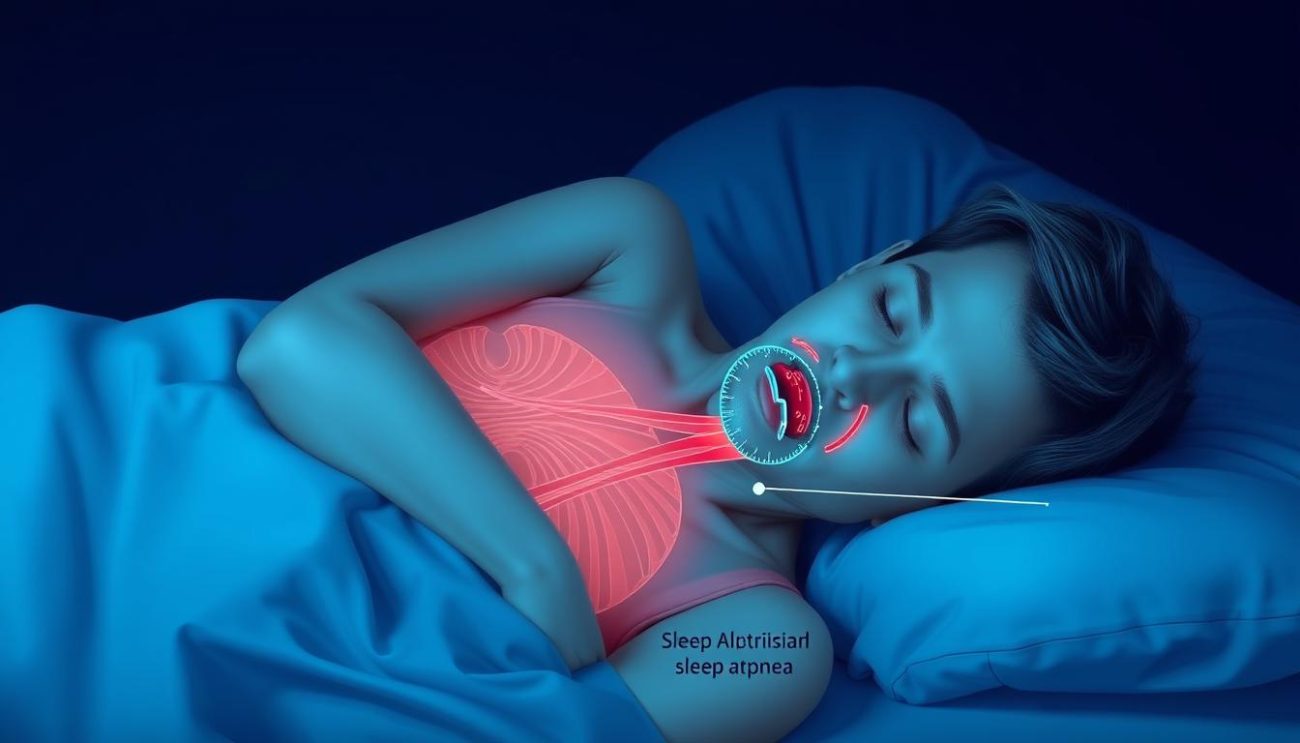
Are you among the 22 million Americans struggling with sleep apnea? This common sleep disorder not only disrupts your nights but can significantly impact your overall health and quality of life. While conventional treatments like CPAP machines are effective, many people seek natural alternatives. Shilajit, an ancient Ayurvedic substance, has gained attention for its potential to support sleep apnea sufferers through its unique properties. In this comprehensive guide, we’ll explore how this natural remedy might help you breathe easier and sleep better.
Understanding Sleep Apnea: Types, Symptoms, and Concerns
Sleep apnea causes repeated breathing interruptions during sleep, leading to poor sleep quality and health issues
Sleep apnea is a serious sleep disorder characterized by repeated interruptions in breathing during sleep. These pauses can last from a few seconds to minutes and may occur 30 or more times per hour. The condition disrupts your sleep cycle and reduces oxygen supply to your body, potentially leading to serious health complications if left untreated.
The Three Types of Sleep Apnea
Obstructive Sleep Apnea (OSA)
The most common form, occurring when throat muscles relax excessively during sleep, causing the airway to narrow or close completely. This physical blockage prevents proper airflow.
Central Sleep Apnea (CSA)
Less common than OSA, central sleep apnea happens when your brain fails to send proper signals to the muscles that control breathing, resulting in breathing pauses.
Complex Sleep Apnea
Also called treatment-emergent central sleep apnea, this is a combination of both obstructive and central sleep apnea, presenting a more complicated condition to treat.
Common Symptoms of Sleep Apnea
- Loud, chronic snoring
- Episodes of breathing cessation during sleep (observed by another person)
- Gasping or choking during sleep
- Morning headaches
- Excessive daytime sleepiness
- Difficulty concentrating during the day
- Irritability and mood changes
- Waking up with a dry mouth or sore throat
- High blood pressure
- Decreased libido
Did you know? Untreated sleep apnea increases your risk of serious health problems including heart disease, stroke, type 2 diabetes, and depression. Finding effective treatment is essential for your long-term health.
Introduction to Shilajit: Nature's Ancient Remedy
Shilajit is a sticky, tar-like substance that forms over centuries in mountain rocks
Shilajit (pronounced shil-ah-jeet) is a sticky, blackish-brown substance that oozes from rocks in high mountain ranges, primarily in the Himalayas. This natural phytocomplex develops over centuries through the decomposition of plant matter and contains a rich concentration of minerals, fulvic acid, and other bioactive compounds.
Origin and Traditional Uses
For thousands of years, shilajit has been a cornerstone of Ayurvedic medicine, where it’s known as “conqueror of mountains and destroyer of weakness.” Ancient texts categorize it as a rasayana – a substance that rejuvenates and promotes longevity. Traditional practitioners have used it to treat various conditions, from bone fractures to respiratory issues.
Shilajit has been used in traditional Ayurvedic medicine for thousands of years
Composition and Active Compounds
What makes shilajit particularly valuable is its complex composition. It contains:
- Fulvic acid (15-20%): A powerful antioxidant and anti-inflammatory compound
- Humic acid: Possesses antiviral and immune-modulating properties
- Minerals: Over 84 minerals including iron, zinc, magnesium, and potassium
- Dibenzo-alpha-pyrones: Energy-producing compounds
- Amino acids: Essential building blocks for proteins
“Shilajit is considered one of the most powerful natural substances in Ayurvedic medicine, with its name literally translating to ‘conqueror of mountains and destroyer of weakness’ in Sanskrit.”
– Traditional Ayurvedic texts
How Shilajit May Help with Sleep Apnea
While research specifically on shilajit for sleep apnea is limited, several of its properties may benefit those suffering from this condition. Let’s explore the potential mechanisms through which shilajit might help address sleep apnea symptoms.
Shilajit’s compounds may support respiratory health through multiple pathways
Anti-inflammatory Properties for Airway Health
Inflammation in the airways can contribute to obstructive sleep apnea by narrowing breathing passages. Shilajit contains fulvic acid, which has demonstrated anti-inflammatory properties in several studies.
A 2018 review published in the Journal of Immunology Research noted that fulvic acid, a key component in shilajit, has significant anti-inflammatory effects that may benefit conditions involving airway inflammation.
By potentially reducing inflammation in the throat and respiratory passages, shilajit may help maintain airway patency during sleep, reducing the frequency and severity of breathing interruptions.
Energy-Boosting Effects to Combat Fatigue
Shilajit may help combat the daytime fatigue commonly experienced with sleep apnea
One of the most debilitating aspects of sleep apnea is the excessive daytime fatigue caused by poor sleep quality. Shilajit has been traditionally used to boost energy and combat fatigue.
Research suggests that shilajit may enhance mitochondrial function – the energy-producing components of your cells. A study found that shilajit supplementation helped improve energy production at the cellular level, potentially offsetting the fatigue associated with sleep apnea.
Respiratory System Support
Shilajit may support overall respiratory health through several mechanisms:
Immune Modulation
Shilajit contains humic substances that may help modulate immune function. This could potentially reduce the frequency of respiratory infections that can worsen sleep apnea symptoms.
Antioxidant Protection
The antioxidant properties of shilajit may help protect respiratory tissues from oxidative stress, which is increased in people with sleep apnea due to intermittent oxygen deprivation.
Stress Reduction and Sleep Quality
Sleep apnea and stress often form a vicious cycle – poor sleep increases stress, and stress can worsen sleep quality. Shilajit contains compounds that may help reduce stress and anxiety.
Studies suggest that shilajit may have adaptogenic properties, helping the body adapt to stress. By potentially reducing stress levels, shilajit might indirectly improve sleep quality in those with sleep apnea.
Experience Natural Sleep Support
Looking for a high-quality shilajit supplement to support your sleep health? Our premium Shilajitcore+ formula contains patented Neuroresin Formula for optimal results.
Shilajit Usage Guidelines for Sleep Apnea
If you’re considering shilajit as a complementary approach to managing sleep apnea, it’s important to understand proper usage, dosage, and safety considerations.
Recommended Forms and Dosage
Shilajit is available in several forms: resin, powder, and capsules
Resin
The most traditional and potent form. Typically, a pea-sized amount (approximately 250-500mg) dissolved in warm water or milk is recommended. The resin has a strong, bitter taste that some find unpleasant.
Powder
More convenient than resin and easier to measure. A typical dose ranges from 250-500mg per day, which can be mixed with water or other beverages. The powder form may be more palatable for some users.
Capsules
The most convenient option with standardized dosing. Most capsules contain 250-500mg of shilajit. This form bypasses the strong taste but may have slightly lower bioavailability than resin.
Important: Always start with the lowest recommended dose and gradually increase as needed. The optimal dosage can vary based on individual factors including weight, age, and overall health.
Best Time to Consume
For sleep apnea support, timing your shilajit consumption appropriately may enhance its effectiveness:
- Morning dose: Taking shilajit in the morning may help combat daytime fatigue associated with sleep apnea.
- Evening dose: Some practitioners recommend taking shilajit 1-2 hours before bedtime to support respiratory function during sleep.
- Split dosing: For maximum benefit, some users divide their daily dose, taking half in the morning and half in the evening.
Consistency is key – regular daily use is typically recommended for optimal results rather than occasional consumption.
Safety Precautions and Quality Sourcing
Quality testing is essential for ensuring safe, pure shilajit supplements
While shilajit is generally considered safe when used appropriately, there are important safety considerations to keep in mind:
Who Can Safely Use Shilajit
- Generally healthy adults
- Those not taking medications that might interact
- Individuals without iron-related disorders
Who Should Avoid Shilajit
- Pregnant or breastfeeding women
- People with hemochromatosis (excess iron)
- Those with low blood pressure
- Children under 18 years
Potential Interactions
Shilajit may interact with certain medications, including:
- Blood pressure medications (may enhance their effects)
- Blood thinners (due to shilajit’s iron content)
- Diabetes medications (may affect blood sugar levels)
Quality Matters: The FDA doesn’t regulate supplements, including shilajit. Always purchase from reputable sources that provide third-party testing certificates. Look for products tested for heavy metals and contaminants, as raw shilajit can contain harmful impurities.
Before starting any supplement regimen, especially if you have sleep apnea or other health conditions, consult with a healthcare provider who can provide personalized guidance based on your specific situation.
Complementary Natural Remedies for Sleep Apnea
While shilajit may offer benefits for sleep apnea sufferers, combining it with other natural approaches can create a more comprehensive management strategy. Here are five complementary remedies that may enhance your results:
Positional therapy can significantly reduce sleep apnea symptoms in many individuals
1. Positional Therapy
For many people with obstructive sleep apnea, symptoms worsen when sleeping on their back. Positional therapy involves techniques to encourage side sleeping:
- Specialized pillows designed to support side sleeping
- Tennis ball technique – sewing a tennis ball into the back of your pajamas to discourage back sleeping
- Positional devices that vibrate when you roll onto your back
Research shows that positional therapy can reduce apnea events by 20-50% in positional obstructive sleep apnea cases.
2. Herbal Teas and Respiratory Support
Certain herbal teas can support respiratory health and complement shilajit therapy
Several herbs can support respiratory health and may complement shilajit’s effects:
Eucalyptus
Contains eucalyptol, which helps open airways and reduce congestion. Can be consumed as tea or used in steam inhalation before bed.
Honey-Ginger Tea
Combines the anti-inflammatory properties of ginger with honey’s soothing effects on the throat. May help reduce airway inflammation and swelling.
Peppermint
Acts as a natural decongestant and contains menthol, which can help relax the muscles of the throat and improve breathing.
Valerian Root
May improve sleep quality and help you fall asleep faster, addressing the sleep disruption aspect of sleep apnea.
3. Weight Management
Excess weight is a significant risk factor for obstructive sleep apnea. Fat deposits around the upper airway can obstruct breathing during sleep.
Studies show that even a modest 10% weight loss can reduce the severity of OSA by up to 50% in moderately obese patients.
Combining shilajit (which may support metabolism) with a healthy diet and regular exercise can create a synergistic approach to managing sleep apnea through weight control.
4. Yoga and Breathing Exercises
Pranayama breathing exercises can strengthen respiratory muscles and improve oxygen flow
Specific yoga practices and breathing exercises can strengthen the muscles of the respiratory system and improve oxygen flow:
- Pranayama (yogic breathing) techniques like Kapalbhati and Anulom Vilom
- Throat exercises that strengthen the muscles which keep airways open
- Didgeridoo playing, which has been shown in studies to strengthen upper airway muscles
Regular practice of these techniques may reduce the severity of sleep apnea symptoms when used consistently over time.
5. Essential Oils for Respiratory Support
Essential oils can be diffused to support clear breathing during sleep
Certain essential oils have properties that may support respiratory health:
- Eucalyptus oil: Opens airways and reduces congestion
- Peppermint oil: Acts as an expectorant and may relieve nasal congestion
- Thyme oil: Contains thymol, which has antimicrobial properties and may support respiratory health
These oils can be used in a diffuser near your bed or added to steam inhalation before sleep. Always use high-quality, therapeutic-grade oils and follow proper dilution guidelines.
Enhance Your Sleep Apnea Management
Ready to try a comprehensive approach to sleep apnea? Our Shilajitcore+ formula works synergistically with these natural remedies for optimal results.
Frequently Asked Questions About Shilajit for Sleep Apnea
Is Shilajit safe for long-term use?
Research suggests that purified shilajit is generally safe for long-term use when taken at recommended dosages. However, quality matters significantly. Only use shilajit that has been properly purified and tested for contaminants like heavy metals.
For sleep apnea management, many practitioners recommend cycles of use – such as taking shilajit for 8-12 weeks, followed by a 2-4 week break. This cycling approach may help prevent potential tolerance while maintaining benefits. As with any supplement, regular check-ins with your healthcare provider are recommended during long-term use.
Can Shilajit replace CPAP machines?
No, shilajit should not be used as a replacement for prescribed CPAP therapy or other medical treatments for sleep apnea. CPAP (Continuous Positive Airway Pressure) machines are clinically proven treatments that physically keep airways open during sleep.
Shilajit may be used as a complementary approach alongside conventional treatments, potentially helping to address some underlying factors or symptoms. Always discuss any supplements with your sleep specialist before making changes to your treatment plan.
How long until I might see results with Shilajit?
The timeframe for experiencing benefits varies considerably between individuals. Some people report improvements in energy levels and reduced fatigue within 1-2 weeks of consistent use. However, effects on respiratory function and sleep quality may take longer to develop.
For optimal results, consistent use for at least 8-12 weeks is typically recommended. Keep a sleep journal to track changes in your symptoms over time. This can help you and your healthcare provider assess whether shilajit is providing meaningful benefits for your sleep apnea.
Remember that natural remedies often work more gradually than pharmaceutical interventions, so patience and consistency are key.
Are there any side effects of taking Shilajit?
When taken as directed, high-quality shilajit typically has minimal side effects. However, some people may experience:
- Digestive discomfort or mild nausea (usually when taking higher doses)
- Headache
- Dizziness
- Changes in heart rate or blood pressure
These effects are generally mild and often resolve as your body adjusts to the supplement. Starting with a lower dose and gradually increasing can help minimize side effects. If you experience any concerning symptoms, discontinue use and consult your healthcare provider.
Can I take Shilajit with my sleep apnea medications?
Potential interactions between shilajit and sleep apnea medications haven’t been extensively studied. Shilajit may affect blood pressure and contains minerals that could potentially interact with certain medications.
Before combining shilajit with any medications, including those prescribed for sleep apnea or related conditions, consult with your healthcare provider or pharmacist. They can provide personalized guidance based on your specific medication regimen and health status.
Always disclose all supplements you’re taking to your healthcare team to ensure safe and effective treatment.
Still Have Questions?
Our team of Ayurvedic specialists can help you determine if Shilajitcore+ is right for your sleep apnea management plan.
Contact Our ExpertsConclusion: A Natural Approach to Better Sleep
Natural remedies like shilajit may help support more restful sleep for those with sleep apnea
Sleep apnea presents significant challenges to both sleep quality and overall health. While conventional medical treatments remain the gold standard for managing this condition, natural remedies like shilajit offer promising complementary approaches that may address some of the underlying factors and symptoms.
Shilajit’s unique composition of fulvic acid, minerals, and bioactive compounds provides multiple potential benefits for sleep apnea sufferers – from reducing airway inflammation to boosting energy levels and supporting respiratory health. When combined with other natural approaches like positional therapy, herbal remedies, and lifestyle modifications, it may contribute to a more comprehensive management strategy.
Remember these key takeaways as you consider incorporating shilajit into your sleep apnea management plan:
- Consult first: Always discuss new supplements with your healthcare provider, especially if you have existing health conditions or take medications.
- Quality matters: Choose high-quality, purified shilajit from reputable sources with third-party testing.
- Start low and go slow: Begin with the lowest recommended dose and gradually increase as needed.
- Be patient and consistent: Natural remedies often require consistent use over time to show their full benefits.
- Track your progress: Keep a sleep journal to monitor changes in your symptoms and sleep quality.
By taking a holistic approach that combines the ancient wisdom of Ayurvedic remedies like shilajit with modern understanding of sleep disorders, you may find improved sleep quality, better daytime energy, and enhanced overall well-being.
Take the First Step Toward Better Sleep
Our premium Shilajitcore+ formula with patented Neuroresin technology is designed to maximize the benefits of this ancient remedy for modern sleep challenges.