

Depression affects millions worldwide, leading many to seek natural alternatives to conventional treatments. Among these natural remedies, Shilajit—an ancient Ayurvedic substance—has gained attention for its potential mood-supporting properties. This mineral-rich resin, formed over centuries in high mountain ranges, contains compounds that may help balance brain chemistry and support overall mental well-being.
While not a replacement for professional treatment, growing evidence suggests Shilajit may offer complementary support for those experiencing depression symptoms. Let’s explore what science reveals about this traditional substance and how it might benefit those seeking natural approaches to mental health.
What Is Shilajit? Origins and Composition
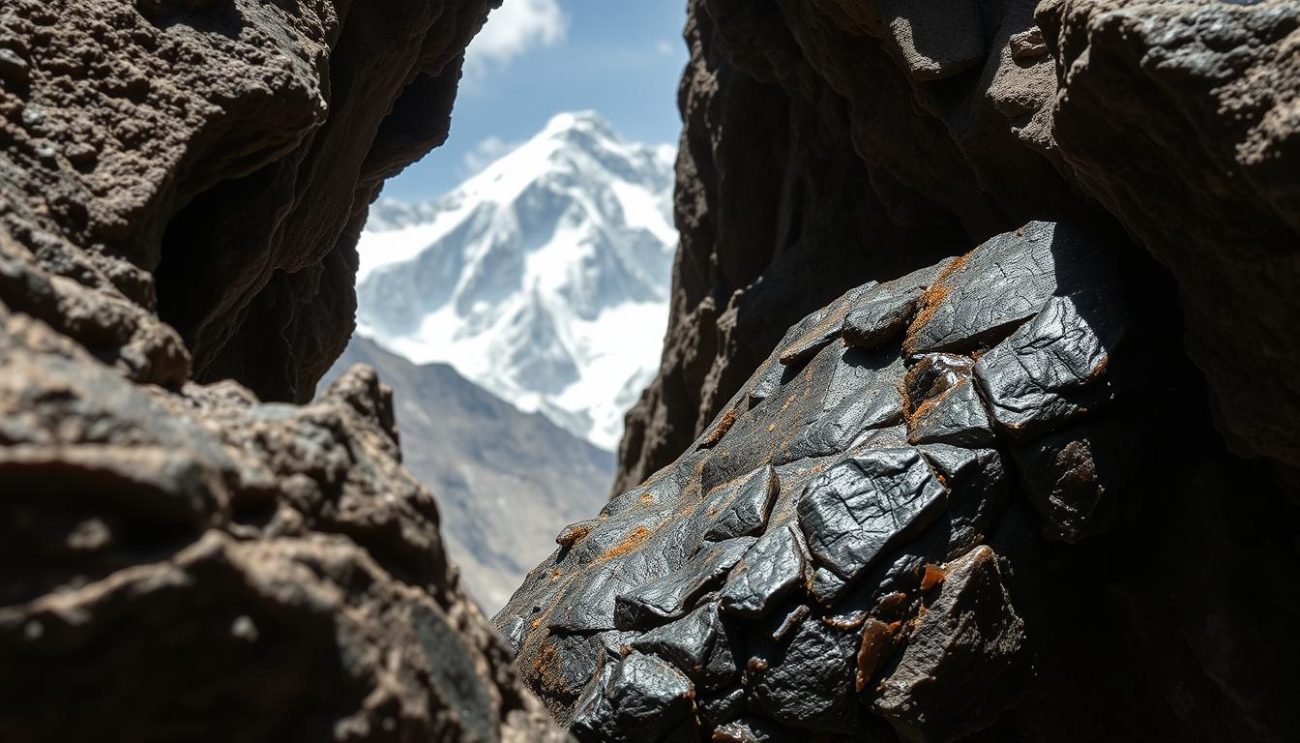
Shilajit in its natural form – a blackish-brown resin found in high mountain ranges
Shilajit (also known as mumijo, salajit, or moomiyo) is a sticky, tar-like substance that exudes from rocks in high mountain ranges, primarily the Himalayas. It forms over centuries through the decomposition of plant matter and minerals, creating a potent natural substance rich in beneficial compounds.
Key Components of Shilajit
- Fulvic Acid (80-85%): A powerful antioxidant that enhances nutrient absorption and may support brain function
- Humic Acid: Supports detoxification and immune function
- Dibenzo-α-pyrones: Compounds that may help increase energy production at the cellular level
- Minerals: Contains over 84 minerals including zinc, iron, and magnesium in ionic form
- Trace Elements: Essential micronutrients that support various bodily functions
This unique composition makes Shilajit a complex natural substance with adaptogenic properties—helping the body adapt to stress and maintain balance. Traditional Ayurvedic medicine has used Shilajit for centuries to treat various conditions, including mood disorders and mental fatigue.
Shilajit and Depression: Potential Benefits
Depression involves complex brain chemistry imbalances, including disruptions in neurotransmitters like dopamine and serotonin. Shilajit may offer support through several mechanisms that target these underlying factors.
Adaptogenic Properties and Stress Reduction
As an adaptogen, Shilajit helps the body resist physical, chemical, and biological stressors. This adaptogenic quality may help regulate the body’s stress response system, which is often dysregulated in depression.
Research suggests Shilajit can help normalize cortisol levels—the primary stress hormone—which is frequently elevated in people with depression. By moderating the stress response, Shilajit may help reduce anxiety symptoms that often accompany depression.
Antioxidant Protection for Brain Health
Oxidative stress plays a significant role in depression pathophysiology. The fulvic acid in Shilajit acts as a powerful antioxidant, potentially protecting brain cells from oxidative damage.
Studies indicate that these antioxidant properties may help preserve brain function and protect against neurodegeneration—factors that can contribute to mood disorders and cognitive symptoms of depression.
Energy Production and Fatigue Reduction
Fatigue and low energy are hallmark symptoms of depression. Shilajit has been shown to enhance mitochondrial function—the cellular powerhouses responsible for energy production. By supporting ATP (adenosine triphosphate) production, Shilajit may help combat the persistent fatigue associated with depression.
A study published in the Journal of Ethnopharmacology found that Shilajit supplementation significantly increased ATP levels in muscle tissue, suggesting a potential mechanism for its energy-enhancing effects.
Experience Natural Energy Enhancement
Our ShilajitCore+ formula contains premium Himalayan Shilajit with our patented Neuroresin Formula for optimal cellular vitality. Many users report improved energy levels within days of starting supplementation.
Scientific Evidence: Shilajit's Impact on Mental Health
While research specifically on Shilajit for depression is still emerging, several studies provide promising insights into its potential mental health benefits.
Key Research Findings
- Neurotransmitter Regulation: Animal studies show Shilajit may increase dopamine levels in the brain—a neurotransmitter often depleted in depression
- Neuroprotective Effects: Research published in the International Journal of Alzheimer’s Disease demonstrates Shilajit’s ability to protect brain cells from damage
- Anxiety Reduction: Studies indicate Shilajit may reduce anxiety-related behaviors, which frequently co-occur with depression
- Cognitive Enhancement: Clinical observations suggest improvements in focus and mental clarity—addressing the cognitive symptoms of depression
Notable Research Study
“The fulvic acid component of Shilajit demonstrated significant antioxidant activity, potentially protecting neurons from oxidative stress—a key factor in mood disorders and cognitive decline.”
— International Journal of Alzheimer’s Disease, 2012
Dosage and Methodology in Studies
Most research on Shilajit has used dosages ranging from 300-500mg daily, typically divided into two doses. Clinical studies generally administer purified Shilajit for periods of 8-12 weeks to observe effects on mood, cognition, and stress markers.
While these studies provide valuable insights, it’s important to note that more large-scale human trials are needed to fully establish Shilajit’s efficacy for depression. Current evidence suggests it may be most effective as a complementary approach alongside other treatments.
How to Use Shilajit for Depression
Safe Dosage Recommendations
- Starting Dose: Begin with 100-150mg once daily to assess tolerance
- Standard Dose: 300-500mg daily, divided into two doses (morning and afternoon)
- Maximum Dose: Generally not recommended to exceed 600mg daily without professional guidance
- Duration: Allow 2-4 weeks for initial effects, with optimal benefits often seen after 8-12 weeks
Best Practices for Optimal Results
Timing
Take Shilajit in the morning and early afternoon to support energy levels throughout the day. Avoid evening doses as it may interfere with sleep due to its energizing effects.
Method of Consumption
Dissolve resin in warm water, milk, or tea for better absorption. If using capsules, take with meals to enhance bioavailability and reduce potential stomach discomfort.
Complementary Supplements
Consider combining with other mood-supporting nutrients like vitamin D, omega-3 fatty acids, or magnesium for synergistic effects. Always consult a healthcare provider before combining supplements.
Lifestyle Integration
Pair Shilajit supplementation with regular exercise, adequate sleep, and stress management techniques for comprehensive mental health support.
Important Safety Considerations
Low-quality Shilajit products may contain harmful contaminants including heavy metals. Always choose purified, lab-tested products from reputable sources. ShilajitCore+ undergoes rigorous testing to ensure purity and potency.
Potential Interactions with Medications
Shilajit may interact with certain medications, particularly:
- Antidepressants (MAOIs, SSRIs)
- Blood pressure medications
- Blood thinners
- Diabetes medications
Always consult with a healthcare provider before starting Shilajit if you’re taking prescription medications, especially those for mental health conditions.
Try Our Premium Shilajit Formula
ShilajitCore+ features our patented Neuroresin Formula for enhanced bioavailability and optimal results. Each batch is third-party tested for purity and potency.
Important Precautions When Using Shilajit for Depression
Shilajit is Not a Replacement for Professional Treatment
While Shilajit may offer supportive benefits for mood and mental well-being, it should not be used as a standalone treatment for clinical depression. Depression is a serious medical condition requiring proper diagnosis and comprehensive care.
When to Seek Professional Help
Consult a healthcare provider immediately if experiencing:
- Persistent feelings of sadness or emptiness lasting more than two weeks
- Loss of interest in previously enjoyed activities
- Thoughts of self-harm or suicide
- Significant changes in sleep, appetite, or energy levels
- Difficulty concentrating or making decisions
Who Should Avoid Shilajit
Not Recommended For:
- Pregnant or breastfeeding women
- Children under 18 years
- People with hemochromatosis (iron overload disorder)
- Those with severe kidney or liver conditions
- Individuals with bipolar disorder (may trigger manic episodes)
Always start with a lower dose to assess tolerance, and discontinue use if you experience any adverse reactions. Quality matters significantly—poor-quality Shilajit may contain harmful contaminants that could worsen health conditions.
Why Quality Matters When Choosing Shilajit
The quality of Shilajit products varies dramatically in the market. Low-quality or improperly processed Shilajit may contain harmful contaminants including heavy metals, microorganisms, and environmental toxins.
What to Look for in a Quality Shilajit Product
- Third-Party Testing: Verified lab results confirming purity and potency
- Source Transparency: Clear information about where and how the Shilajit was harvested
- Processing Methods: Proper purification techniques that preserve beneficial compounds
- Fulvic Acid Content: Higher percentages (typically 60-80%) indicate better quality
- Free from Additives: Minimal or no fillers, preservatives, or artificial ingredients
“The therapeutic effects of Shilajit are directly related to its purity and processing methods. Properly purified Shilajit preserves the bioactive compounds responsible for its health benefits.”
Experience the ShilajitCore+ Difference
Our Shilajit is ethically sourced from the highest Himalayan regions and processed using our patented Neuroresin Formula to maximize potency while ensuring purity. Each batch undergoes rigorous testing for heavy metals and contaminants.
Frequently Asked Questions About Shilajit for Depression
How long does it take for Shilajit to help with depression symptoms?
Most people report subtle improvements in mood and energy within 2-3 weeks of consistent use. However, optimal benefits typically emerge after 8-12 weeks of regular supplementation. Individual responses vary based on biochemistry, severity of symptoms, and quality of the Shilajit product used.
Is Shilajit safe for long-term use?
High-quality, properly purified Shilajit appears safe for long-term use based on traditional usage and available research. Many practitioners recommend cycling usage—taking it for 8-12 weeks, then taking a 2-4 week break before resuming. Always use products tested for contaminants and consult a healthcare provider for personalized guidance.
Can Shilajit be taken alongside prescription antidepressants?
Potential interactions exist between Shilajit and certain antidepressants, particularly MAOIs and SSRIs. Never combine Shilajit with prescription medications without explicit approval from your healthcare provider. They can help monitor for potential interactions and adjust dosages if necessary.
What form of Shilajit is most effective for depression?
Pure resin is generally considered the most potent and bioavailable form of Shilajit. However, high-quality capsules containing standardized extracts can also be effective and offer convenience. The most important factor is purity and processing methods rather than the specific form.
Are there any withdrawal effects when stopping Shilajit?
Unlike pharmaceutical antidepressants, Shilajit doesn’t typically cause withdrawal symptoms when discontinued. Some users report a gradual return to baseline energy levels and mood states. Tapering usage by reducing dosage over 1-2 weeks may help minimize any potential rebound effects.
Conclusion: Shilajit as a Complementary Approach to Depression Management
Shilajit offers promising potential as a natural complement to comprehensive depression management. Its unique composition of fulvic acid, minerals, and bioactive compounds may help address multiple factors involved in depression, including neurotransmitter balance, energy production, and oxidative stress.
While not a replacement for professional treatment, Shilajit may provide valuable support for those seeking natural approaches to enhance mood and mental well-being. The quality of Shilajit products is paramount—always choose properly purified, lab-tested options from reputable sources.
Before incorporating Shilajit into your wellness routine, consult with a healthcare provider, especially if you have existing health conditions or take medications. With proper guidance, this ancient Ayurvedic substance may offer modern benefits for those navigating the challenges of depression.
Start Your Natural Wellness Journey Today
Experience the potential benefits of our premium ShilajitCore+ formula with our patented Neuroresin Formula for optimal absorption and effectiveness.