

Depression affects millions worldwide, leading many to seek natural alternatives to conventional treatments. Shilajit, an ancient Ayurvedic substance formed over centuries in high mountain rocks, has gained attention for its potential mood-regulating properties. This sticky, tar-like resin contains a rich complex of minerals, fulvic acid, and bioactive compounds that may support brain health and emotional balance. But can it truly help with depression? Let’s explore the science, benefits, and considerations of using Shilajit for depression and mental wellbeing.
What is Shilajit? Understanding This Ancient Remedy
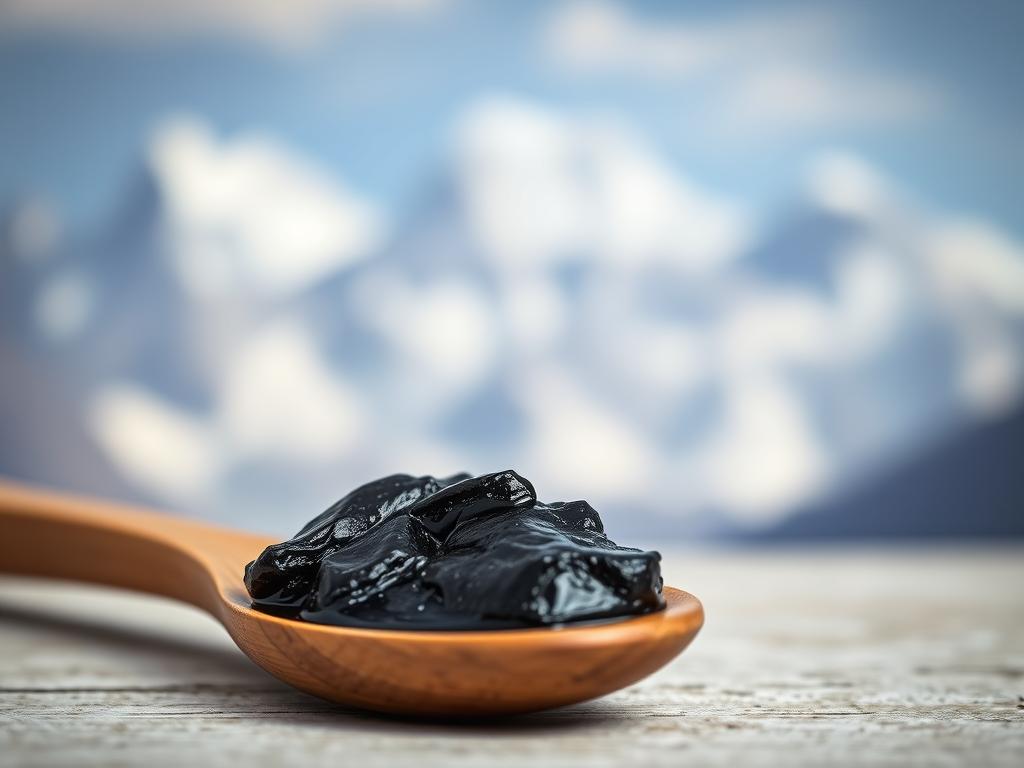
Pure Shilajit resin in its natural form, harvested from high-altitude mountain regions
Shilajit (pronounced shil-ah-jeet) is a blackish-brown resinous substance that oozes from rock crevices in mountainous regions, primarily the Himalayas. Formed over centuries through the decomposition of plant matter and minerals, it’s been treasured in Ayurvedic medicine for over 3,000 years as a rejuvenator and adaptogen.
Often called “the destroyer of weakness” or “conqueror of mountains,” Shilajit contains over 84 minerals in their ionic form, along with fulvic acid, humic acid, and various bioactive compounds. These components work synergistically to potentially support cellular energy, brain function, and stress resilience—all factors that may influence mood regulation and mental health.
Key Components of Shilajit That Support Mental Health
Fulvic Acid
The primary active component in Shilajit, fulvic acid is a powerful antioxidant that may help protect brain cells from oxidative stress and support neurotransmitter balance. Research suggests it may help prevent tau protein aggregation, which is linked to cognitive decline and some mood disorders.
Mineral Complex
Shilajit contains essential minerals including zinc, magnesium, and iron—all critical for brain function and mood regulation. Magnesium, in particular, plays a role in regulating neurotransmitters that affect mood and has been studied for its potential in addressing depression symptoms.
Dibenzo-α-pyrones
These compounds may help increase levels of dopamine—a neurotransmitter associated with pleasure, motivation, and emotional well-being. Imbalances in dopamine are often linked to depression and mood disorders.
Humic Acid
Working alongside fulvic acid, humic acid has anti-inflammatory properties that may help reduce neuroinflammation—increasingly recognized as a factor in depression and other mental health conditions.
How Shilajit May Help with Depression: Potential Mechanisms
Depression is a complex condition involving multiple biological, psychological, and social factors. Research suggests Shilajit may influence several pathways involved in mood regulation and stress response. Here’s how this ancient substance might help support mental health:
Neurotransmitter Balance
Studies indicate that Shilajit may help balance key neurotransmitters involved in mood regulation:
- Dopamine Enhancement: Research suggests Shilajit may increase dopamine levels, which are often depleted in depression. Dopamine plays a crucial role in motivation, pleasure, and emotional resilience.
- Serotonin Support: Preliminary studies indicate Shilajit may influence serotonin pathways, potentially helping to stabilize mood and reduce anxiety symptoms that often accompany depression.
- GABA Modulation: Some research points to Shilajit’s ability to enhance GABA activity, promoting relaxation and reducing excessive stress responses.
Stress Response Regulation
As an adaptogen, Shilajit may help the body respond more effectively to stress—a significant trigger and exacerbating factor in depression:
- HPA Axis Support: Shilajit appears to help regulate the hypothalamic-pituitary-adrenal (HPA) axis, which controls our stress response. Studies show it may help normalize cortisol levels and support healthy stress adaptation.
- Oxidative Stress Reduction: The fulvic acid in Shilajit acts as a powerful antioxidant, potentially protecting brain cells from oxidative stress that can contribute to mood disorders.
- Mitochondrial Function: Research indicates Shilajit helps protect mitochondrial function during stress, supporting cellular energy production in the brain. This may explain its benefits for mental energy and cognitive performance.
Anti-inflammatory Effects
Emerging research links inflammation to depression, with studies showing elevated inflammatory markers in many individuals with depressive disorders:
- Neuroinflammation Reduction: Shilajit contains compounds with anti-inflammatory properties that may help reduce brain inflammation associated with depression.
- Blood-Brain Barrier Protection: Some studies suggest Shilajit may help maintain blood-brain barrier integrity, potentially reducing the impact of systemic inflammation on brain function.
Scientific Research on Shilajit for Depression and Mood
While research specifically on Shilajit for depression in humans is still emerging, several studies provide promising insights into its potential mental health benefits:
Key Studies on Shilajit and Mental Health
Animal Studies on Dopamine and Anxiety
A 2012 study published in the Journal of Ethnopharmacology found that Shilajit helped reduce symptoms of chronic fatigue syndrome in rats by protecting mitochondrial function and modulating stress response through the HPA axis. The researchers observed increased dopamine levels and reduced anxiety-related behaviors.
Why this matters: Dopamine depletion is linked to depression symptoms like lack of motivation, anhedonia (inability to feel pleasure), and low energy—all core features of depressive disorders.
Neuroprotective Effects
A 2023 study published in Pharmaceuticals found that Andean Shilajit significantly inhibited tau protein aggregation, a key marker of neurodegeneration. The researchers found that specific fractions reduced tau aggregation by an impressive 76.6%.
Why this matters: While this study focused on Alzheimer’s disease, the neuroprotective effects may extend to mood disorders, as neurodegeneration and depression share some common pathways involving oxidative stress and inflammation.
Stress Resilience and Adaptation
Research published in the International Journal of Alzheimer’s Disease highlighted Shilajit’s adaptogenic properties, noting its ability to help the body better respond to stress. Animal studies showed promising anti-anxiety effects and improved stress resilience.
Why this matters: Chronic stress is both a trigger and exacerbating factor for depression. Improving stress resilience may help prevent and manage depressive episodes.
Limitations of Current Research
Despite promising findings, several limitations in the current research should be noted:
- Few large-scale human clinical trials specifically examining Shilajit for depression
- Variations in Shilajit quality and composition across studies
- Most research focuses on animal models rather than human subjects
- Need for longer-term studies to assess sustained effects
While more research is needed, the existing studies provide a scientific foundation for understanding how Shilajit may support mental health and potentially help with depression symptoms.
Comparing Shilajit to Other Natural Depression Remedies
When considering natural approaches to depression, it’s helpful to understand how Shilajit compares to other well-studied natural remedies. Each has unique mechanisms, evidence levels, and considerations:
| Natural Remedy | Evidence Level | Mechanism | Onset Time | Side Effects | Drug Interactions |
| Shilajit | Moderate (mostly animal studies) | Adaptogenic, dopamine support, antioxidant, mitochondrial function | 2-4 weeks | Generally mild; possible digestive discomfort | Possible with blood thinners, blood pressure medications |
| St. John’s Wort | Strong (multiple clinical trials) | Inhibits serotonin, dopamine, and norepinephrine reuptake | 4-6 weeks | Photosensitivity, dry mouth, dizziness | Many significant interactions, including with antidepressants, birth control |
| Saffron | Strong (multiple clinical trials) | Serotonin modulation, anti-inflammatory, antioxidant | 3-6 weeks | Generally mild; possible digestive issues | Few known interactions |
| SAM-e | Strong (multiple clinical trials) | Methylation support, neurotransmitter synthesis | 1-2 weeks | Nausea, digestive upset, anxiety | Should not be combined with antidepressants |
| Omega-3 Fatty Acids | Moderate to strong | Anti-inflammatory, neuronal membrane support | 4-8 weeks | Fishy aftertaste, mild digestive issues | Possible with blood thinners |
Potential Advantages of Shilajit
Multifaceted Approach
Unlike some single-mechanism supplements, Shilajit works through multiple pathways—supporting energy production, stress resilience, and neurotransmitter balance simultaneously.
Adaptogenic Properties
As an adaptogen, Shilajit helps the body respond appropriately to stress, potentially addressing a root cause of many depressive episodes rather than just symptoms.
Fewer Known Drug Interactions
Compared to St. John’s Wort, which has numerous significant drug interactions, Shilajit appears to have fewer interaction concerns (though always consult a healthcare provider).
Additional Health Benefits
Beyond mood support, Shilajit offers potential benefits for energy, cognitive function, and overall vitality—addressing multiple aspects of wellbeing often affected by depression.
Experience the Transformative Power of Shilajitcore+
Our patented Neuroresin Formula with AdvaGnced Bio-Optimized Cellular Vitality Formula is specifically designed to support mental wellbeing and help address symptoms of depression naturally. Ethically sourced from pristine Himalayan regions and rigorously tested for purity, Shilajitcore+ delivers the full spectrum of bioactive compounds your brain needs to thrive.
Why Choose Shilajitcore+
- Patented Neuroresin Formula specifically targeting mood and mental wellbeing
- Ethically sourced from pristine high-altitude regions
- Rigorously tested for purity and potency
- Optimal fulvic acid content for maximum bioavailability
- Supports natural energy, focus, and emotional balance
Dosage Recommendations and Safety Considerations
When using Shilajit for depression or any health concern, proper dosing and safety awareness are essential. Here are evidence-based guidelines to help you use Shilajit effectively and safely:
Recommended Dosage
Standard dosage range: 300-500mg of purified Shilajit resin once or twice daily
Starting recommendation: Begin with 300mg once daily for the first week, then increase if needed and well-tolerated
Timing: Most practitioners recommend taking Shilajit in the morning or early afternoon, as some people report increased energy that may affect sleep if taken late in the day
How to Take Shilajit
- Resin form: Dissolve a pea-sized amount (approximately 300-500mg) in warm water, tea, or milk
- Powder form: Mix 300-500mg with warm liquid or add to smoothies
- Capsules/tablets: Follow manufacturer’s directions, typically 1-2 capsules daily
- Consistency: For mood support, daily consistent use is typically more effective than occasional use
Safety Precautions and Contraindications
Who should avoid Shilajit:
- Pregnant or breastfeeding women (insufficient safety data)
- People with hemochromatosis (iron overload disorder)
- Those with sickle cell anemia or thalassemia
- Individuals with active heart disease
- Anyone with a history of allergic reactions to Shilajit
Potential Side Effects
Shilajit is generally well-tolerated when taken in appropriate doses, but some people may experience:
- Mild digestive discomfort
- Dizziness or headache (typically when starting)
- Changes in heart rate (rare)
- Allergic reactions (rare)
Quality Matters: Only use purified, tested Shilajit from reputable sources. Raw, unprocessed Shilajit may contain contaminants including heavy metals, fungus, or free radicals.
The Importance of Quality: Choosing the Right Shilajit
The effectiveness and safety of Shilajit largely depend on its quality. Not all products on the market meet the standards necessary for therapeutic benefits, especially for sensitive applications like depression support.
What to Look For in Quality Shilajit
Source Authentication
Authentic Shilajit comes primarily from high-altitude mountain regions, particularly the Himalayas. Products should clearly state their source region and harvesting methods.
Purification Process
Quality Shilajit undergoes proper purification to remove potential contaminants while preserving bioactive compounds. Look for products that detail their purification methods.
Third-Party Testing
Reputable manufacturers have their Shilajit tested by independent laboratories for purity, potency, and safety. Look for products with available test results or certifications.
Standardized Content
High-quality Shilajit should specify its fulvic acid content (typically 15-20% or higher) and other key compounds. This standardization helps ensure consistent effects.
Red Flags to Avoid
- Extremely low prices: Quality Shilajit requires careful harvesting and processing, which is reflected in the price
- Lack of transparency: Avoid products that don’t disclose their source, processing methods, or testing protocols
- Artificial additives: Pure Shilajit shouldn’t contain unnecessary fillers, preservatives, or artificial ingredients
- Exaggerated claims: Be wary of products promising immediate or miraculous results for depression or other conditions
“The therapeutic potential of Shilajit is directly proportional to its quality and purity. A properly sourced and processed Shilajit preserves the delicate balance of bioactive compounds that contribute to its effects on mood and mental wellbeing.”
— Journal of Ethnopharmacology, 2012
Frequently Asked Questions About Shilajit for Depression
How long does it take to see results when using Shilajit for depression?
Most people report noticing initial effects from Shilajit within 2-3 weeks of consistent daily use. However, the full benefits for mood and mental wellbeing typically develop over 6-8 weeks. As with most natural approaches to depression, patience and consistency are key. Some individuals may notice improvements in energy and cognitive function sooner than mood effects.
Can Shilajit be taken alongside prescription antidepressants?
While there are no well-documented interactions between Shilajit and antidepressants, it’s essential to consult with your healthcare provider before combining them. Shilajit may affect neurotransmitter systems that are also targeted by antidepressants, so professional guidance is necessary. Never discontinue prescribed medications without medical supervision, even when adding natural supplements like Shilajit.
What’s the best form of Shilajit for depression support?
Purified resin is generally considered the most potent and traditional form of Shilajit, with the fullest spectrum of bioactive compounds. However, high-quality capsules or tablets from reputable manufacturers can offer convenience and precise dosing. The most important factor is quality and purity rather than the specific form. Shilajitcore+ offers premium-quality Shilajit in both resin and capsule forms to suit individual preferences.
Is Shilajit safe for long-term use in managing depression?
Traditional Ayurvedic practice has used Shilajit for extended periods without reported adverse effects. Modern research, including a 91-day toxicity study, confirms that high-quality Shilajit is safe for long-term use at recommended doses. However, as with any supplement, periodic breaks (such as 5 days off after 25 days of use) may be beneficial, and ongoing depression should be monitored by a healthcare professional.
How does Shilajit compare to conventional antidepressants?
Shilajit works through different mechanisms than conventional antidepressants. While SSRIs primarily target serotonin reuptake, Shilajit appears to support multiple systems including dopamine production, stress adaptation, and cellular energy. Conventional antidepressants typically have more robust clinical evidence for severe depression, while Shilajit may be more suitable for mild to moderate symptoms or as a complementary approach. Always consult a healthcare provider about the most appropriate treatment for your specific situation.
What are the best quality sources for purchasing Shilajit?
The best Shilajit comes from reputable companies that provide transparency about sourcing, processing, and testing. Look for products that specify Himalayan origin, detail their purification process, and provide third-party testing results for purity and potency. Shilajitcore+ meets all these criteria with our ethically harvested, rigorously tested Shilajit products, available at shilajitcore.com.
Conclusion: Is Shilajit Effective for Depression?
Based on current research and traditional use, Shilajit shows promising potential as a supportive approach for depression and mood regulation. Its unique composition of fulvic acid, minerals, and bioactive compounds appears to support multiple pathways involved in mental wellbeing—from neurotransmitter balance to stress resilience and cellular energy.
However, it’s important to maintain realistic expectations. Shilajit is not a miracle cure for depression, and scientific evidence, while promising, is still developing. For mild to moderate depression, Shilajit may offer meaningful support, particularly when combined with other evidence-based approaches like therapy, lifestyle modifications, and proper nutrition.
For those considering Shilajit for depression, remember these key points:
- Quality matters significantly—choose only purified, tested products from reputable sources
- Consistency is important—benefits typically develop over weeks of regular use
- Consult healthcare providers, especially if taking medications or having other health conditions
- Consider Shilajit as part of a comprehensive approach to mental wellbeing rather than a standalone solution
With its long history of traditional use and emerging scientific support, Shilajit represents a promising natural option for those seeking to support their mental health journey through time-tested remedies combined with modern understanding.
Transform Your Mental Wellbeing with Shilajitcore+
Experience the difference that premium-quality, ethically sourced Shilajit can make for your mood, energy, and overall mental clarity. Our patented Neuroresin Formula is specifically designed to support optimal brain function and emotional balance.