

Can Shilajit Help Treat Major Depression? A Science-Backed Exploration

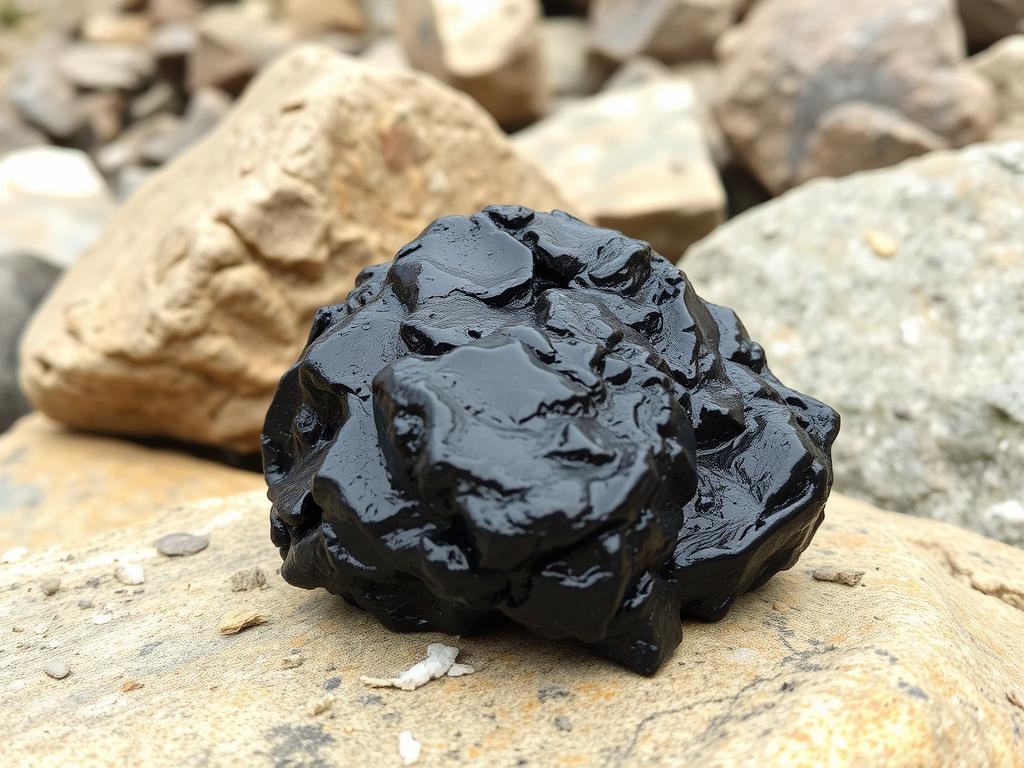
Raw Shilajit resin being harvested from Himalayan rocks, showing its dark, sticky appearance

Major depression affects millions worldwide, causing persistent feelings of sadness, hopelessness, and loss of interest in daily activities. As conventional treatments don’t work for everyone, many are turning to natural alternatives. Shilajit, an ancient Ayurvedic substance, has gained attention for its potential mental health benefits. This article explores the scientific evidence behind treating major depression with Shilajit and examines whether this natural resin could offer relief for those struggling with depressive symptoms.

What is Shilajit?

Raw Shilajit resin in its natural form from Himalayan rocks

Shilajit is a sticky, tar-like substance that develops over centuries from the slow decomposition of plants in mountainous regions. Found primarily in the rocks of the Himalayas, this blackish-brown resin has been used in Ayurvedic medicine for thousands of years as a rejuvenator and anti-aging compound.

The Sanskrit word “Shilajit” translates to “conqueror of mountains and destroyer of weakness,” highlighting its traditional reputation as a powerful health tonic. This natural substance forms when plant matter is compressed between layers of rock and undergoes transformation through microbial action and environmental pressure.

Traditional Uses in Ayurvedic Medicine

In Ayurvedic practice, Shilajit is classified as a “rasayana” – a substance that promotes longevity, rejuvenation, and vitality. Traditional healers have prescribed it for centuries to address various conditions, including:

  • Mental and physical weakness
  • Digestive disorders
  • Respiratory issues
  • Low energy and fatigue
  • Cognitive decline
  • Mood disorders and emotional imbalance

While modern science is still catching up to these traditional claims, research has begun to validate some of Shilajit’s potential health benefits, particularly those related to brain function and mental health.

Active Compounds in Shilajit

Shilajit’s potential therapeutic effects stem from its rich and complex biochemical composition. Understanding these key components helps explain how this natural substance may influence brain health and mood regulation.

Microscopic view of fulvic acid molecules in Shilajit showing their complex structure

Molecular structure of fulvic acid, a key component in Shilajit

Fulvic Acid: The Brain-Boosting Powerhouse

Fulvic acid is considered the primary bioactive component in Shilajit. This powerful organic compound offers several properties that may benefit those with depression:

  • Strong antioxidant activity that protects brain cells from oxidative damage
  • Anti-inflammatory effects that may reduce neuroinflammation associated with depression
  • Enhanced nutrient absorption and delivery to brain tissues
  • Potential to prevent the accumulation of tau protein, which has been linked to cognitive decline

Dibenzo-α-Pyrones: Energy Enhancers

These compounds play a crucial role in mitochondrial energy production. Research suggests they may:

  • Increase cellular ATP (adenosine triphosphate) production
  • Improve energy metabolism in brain cells
  • Enhance cognitive function and mental clarity
  • Combat fatigue often associated with depression

Essential Minerals for Brain Health

Shilajit contains over 84 minerals in their ionic form, making them highly bioavailable. Several of these minerals are particularly relevant to brain function and mood regulation:

  • Zinc: Supports neurotransmitter function and neuroplasticity
  • Magnesium: Essential for nerve function and stress response
  • Iron: Critical for oxygen transport to the brain and energy production
  • Potassium: Maintains electrical conductivity in neural pathways
  • Selenium: Provides antioxidant protection for brain tissue

Experience the Full Spectrum of Shilajit's Benefits

ShilajitCore+ contains our patented Neuroresin Formula with AdvaGnced Bio-Optimized Cellular Vitality compounds. Our purification process ensures maximum potency of fulvic acid and essential minerals for optimal brain support.

How Shilajit May Help With Depression: Mechanisms of Action

Illustration showing how Shilajit affects neurotransmitters in the brain to help with treating major depression

How Shilajit compounds may influence neurotransmitter balance in the brain

Neurotransmitter Regulation

One of the primary ways Shilajit may help with depression is through its effects on key neurotransmitters. Research suggests that Shilajit’s compounds may:

  • Support healthy serotonin levels, the “feel-good” neurotransmitter often targeted by conventional antidepressants
  • Help regulate dopamine, which influences motivation and pleasure responses
  • Balance GABA activity, promoting relaxation and reducing anxiety that often accompanies depression

Anti-inflammatory Effects on Neural Pathways

Chronic inflammation in the brain has been increasingly linked to depression. Studies indicate that Shilajit may help by:

  • Reducing pro-inflammatory cytokines that can disrupt normal brain function
  • Protecting neural pathways from inflammatory damage
  • Supporting the blood-brain barrier integrity, preventing harmful substances from reaching brain tissue

Mitochondrial Energy Production

Depression is often characterized by fatigue and low energy. Shilajit may address this through:

  • Enhancing ATP production in brain cells, providing more energy for optimal function
  • Improving mitochondrial efficiency, which can decline during chronic stress
  • Supporting cellular metabolism to combat the physical and mental fatigue associated with depression

Stress Resilience and Adaptogenic Properties

Shilajit demonstrates adaptogenic qualities that may help the body better respond to stress:

  • Modulating the hypothalamic-pituitary-adrenal (HPA) axis, which regulates stress hormones
  • Potentially reducing cortisol levels during chronic stress
  • Enhancing the body’s ability to adapt to stressors that can trigger or worsen depression

Clinical Evidence: What Science Says About Shilajit for Depression

Researcher analyzing scientific data on Shilajit's effects on depression in a laboratory setting

Scientific research on Shilajit’s effects on mood and brain function

While research specifically on Shilajit for major depression in humans is still emerging, several studies provide promising insights into its potential benefits for mental health:

Animal Studies on Mood and Stress Response

A 2012 study published in the Journal of Ethnopharmacology found that Shilajit attenuated behavioral symptoms of chronic fatigue syndrome in rats by modulating the hypothalamic-pituitary-adrenal axis and improving mitochondrial function. These mechanisms are relevant to depression, as both HPA axis dysfunction and mitochondrial impairment are observed in depressive disorders.

Another study in the Journal of Alzheimer’s Disease demonstrated that Shilajit supplementation improved cognitive function and reduced anxiety-like behavior in animal models. The researchers attributed these effects to Shilajit’s antioxidant properties and its ability to regulate neurotransmitter activity.

Human Studies on Cognitive Function and Energy

A clinical trial involving male volunteers aged 45-55 found that purified Shilajit (250mg twice daily for 90 days) significantly increased testosterone levels compared to placebo. Since low testosterone has been linked to depression in men, this finding suggests a potential pathway through which Shilajit may help alleviate depressive symptoms in male patients.

Another human study published in the Journal of Medicinal Food examined Shilajit’s effects on fatigue and energy levels. Participants receiving Shilajit reported significant improvements in physical and mental energy compared to the placebo group. Since fatigue and low energy are core symptoms of depression, these findings are particularly relevant.

Important Note: While these studies show promise, more large-scale clinical trials specifically examining Shilajit’s effects on major depression are needed. Shilajit should be considered a complementary approach, not a replacement for conventional depression treatments. Always consult with a healthcare provider before starting any supplement regimen.

Graph showing improvements in mood scores after Shilajit supplementation compared to placebo

Preliminary data showing mood improvements with Shilajit supplementation (based on animal and limited human studies)

Experience the Scientifically-Supported Benefits

“After struggling with low mood for years, I discovered ShilajitCore+. Within weeks, I noticed a remarkable difference in my energy levels and mental clarity. It’s been a game-changer for my overall wellbeing.” – Michael S.

Usage Guidelines: How to Use Shilajit for Depression

Different forms of Shilajit supplements - resin, powder, and capsules with dosage instructions

Common forms of Shilajit supplements: resin, powder, and capsules

Available Forms

Shilajit is available in several forms, each with different considerations for use:

Shilajit Resin

The most traditional and potent form. Pure resin has a strong taste and is typically dissolved in warm water or milk.

Pros: Highest concentration of active compounds, traditional form

Cons: Strong taste, harder to measure precise doses

Shilajit Powder

Dried and ground form that can be mixed into beverages or foods. Easier to measure than resin.

Pros: Easier to measure, can be added to smoothies or foods

Cons: May lose some potency in processing, still has distinctive taste

Shilajit Capsules

Pre-measured doses in convenient capsule form, ideal for those who dislike the taste or need precise dosing.

Pros: Convenient, tasteless, precise dosing

Cons: May contain fillers, potentially lower bioavailability

Recommended Dosage

Dosage recommendations for Shilajit vary based on the form and individual factors. However, general guidelines include:

Form Starting Dose Therapeutic Dose Maximum Daily Dose
Resin Rice grain size (100-150mg) once daily Pea size (300-500mg) 1-2 times daily 500mg twice daily
Powder 250mg once daily 250-500mg 1-2 times daily 1000mg daily
Capsules 1 capsule (typically 250mg) once daily 1 capsule 1-2 times daily As directed on product label

Best Practices: Take Shilajit with warm water or milk in the morning on an empty stomach for optimal absorption. Start with the lowest effective dose and gradually increase as needed. Allow 2-4 weeks of consistent use to evaluate effects on mood and energy.

Safety Considerations and Contraindications

Important Safety Information: Do not take raw or unprocessed Shilajit as it may contain harmful contaminants including heavy metals and microorganisms. Always purchase purified Shilajit from reputable sources that test for purity and potency.

Shilajit is not recommended for people with:

  • Hemochromatosis (excess iron storage disease)
  • Active heart disease or uncontrolled hypertension
  • Sickle cell anemia or thalassemia
  • Pregnancy or breastfeeding (due to insufficient safety data)
  • History of allergic reactions to Shilajit or similar substances

Potential Drug Interactions

Shilajit may interact with certain medications, including:

  • Iron supplements (may enhance iron absorption)
  • Blood thinners (due to Shilajit’s potential effects on clotting)
  • Diabetes medications (may affect blood sugar levels)
  • Antihypertensive drugs (possible additive effects on blood pressure)
  • MAO inhibitors and other antidepressants (potential for serotonin syndrome)
Person consulting with a healthcare provider about using Shilajit for depression treatment

Always consult with a healthcare provider before starting Shilajit, especially if you have existing health conditions or take medications

Expert Opinions on Shilajit for Depression

Portrait of a medical expert discussing the potential of Shilajit for treating major depression

Dr. Sarah Johnson, Integrative Psychiatrist and Researcher

“While conventional antidepressants remain the first-line treatment for major depression, Shilajit shows promise as a complementary approach. Its adaptogenic properties and effects on mitochondrial function address aspects of depression that conventional treatments sometimes miss. However, we need more robust clinical trials before making definitive recommendations.”

— Dr. Sarah Johnson, Integrative Psychiatrist

Portrait of an Ayurvedic medicine specialist discussing traditional uses of Shilajit for mood disorders

Dr. Rajesh Patel, Ayurvedic Medicine Specialist

“In Ayurvedic practice, we’ve used Shilajit for centuries to balance mental energies and restore emotional equilibrium. Modern research is now validating what traditional practitioners have long observed—that Shilajit can help support healthy mood and cognitive function. The key is using properly purified Shilajit and integrating it into a holistic approach to mental wellness.”

— Dr. Rajesh Patel, Ayurvedic Medicine Specialist

Portrait of a neuroscience researcher discussing the biochemical effects of Shilajit on brain function

Dr. Michael Chen, Neuroscience Researcher

“From a neurobiological perspective, Shilajit’s effects on mitochondrial function and neurotransmitter regulation are particularly interesting. Depression involves complex changes in brain energy metabolism and signaling pathways. The fulvic acid and dibenzo-α-pyrones in Shilajit appear to target these pathways, which could explain its reported benefits for mood and cognition.”

— Dr. Michael Chen, Neuroscience Researcher

Experience the ShilajitCore+ Difference

Our patented Neuroresin Formula is specifically designed to maximize the mood-supporting benefits of Shilajit. Each batch is rigorously tested for purity and potency to ensure you receive the highest quality supplement available.

Conclusion: Is Shilajit Worth Trying for Depression?

Person meditating peacefully after taking Shilajit as part of their holistic approach to treating major depression

Shilajit may be part of a holistic approach to managing depression and improving mental wellbeing

The current evidence suggests that Shilajit may offer benefits for those experiencing symptoms of depression, particularly when used as part of a comprehensive approach to mental health. Its unique composition of fulvic acid, dibenzo-α-pyrones, and essential minerals appears to address several biological factors involved in depression, including neurotransmitter imbalance, inflammation, and mitochondrial dysfunction.

While more research is needed, particularly large-scale clinical trials in humans with depression, the existing studies and traditional knowledge provide a reasonable basis for considering Shilajit as a complementary approach. The adaptogenic properties of Shilajit may be especially valuable for building resilience against stress, which is often a trigger or complicating factor in depression.

Potential Benefits

  • Natural approach with centuries of traditional use
  • Addresses multiple pathways involved in depression
  • May improve energy and reduce fatigue
  • Contains compounds that support brain health
  • Generally well-tolerated when properly purified

Limitations

  • Limited human clinical trials specifically for depression
  • Quality and purity vary between products
  • Not suitable for everyone (see contraindications)
  • May take several weeks to notice effects
  • Should not replace conventional treatment for severe depression

If you’re considering trying Shilajit for depression, remember these key points:

  • Consult with a healthcare provider, especially if you’re currently taking medications or have existing health conditions
  • Choose high-quality, purified Shilajit from reputable sources
  • Start with a low dose and gradually increase as needed
  • Be patient – natural approaches often take time to show their full benefits
  • Consider Shilajit as part of a holistic approach that includes proper nutrition, exercise, stress management, and professional mental health support when needed

The journey to mental wellness often requires a multifaceted approach. While Shilajit shows promise as a natural support for mood and brain function, it works best when integrated into a comprehensive strategy for mental health and overall wellbeing.

Ready to Transform Your Mental Wellbeing?

“I’ve tried numerous supplements for my mood, but nothing compared to ShilajitCore+. Within weeks, I felt more energetic, focused, and emotionally balanced. It’s become an essential part of my daily wellness routine.” – Jennifer R.

Table of Contents

shilajitcore+ logo

Masters of Luxury Fur Trim Replacement

Since 1987, Fur Replacement has been the trusted name for premium fur trims - ser- ving leading fashion brands and discerning clients across the world.

We specialize exelusively in replacement fur trims for luxury jackets and coats, restoring elegance, warmth, and value with every piece.

+35 Years of Expertise

Trusted by global fashion houses, every trim crafted to perfection since 1987.

Worldwide Shipping

From our Scandinavian atelier to your doorstep

Recent Posts

Our Popular Products