

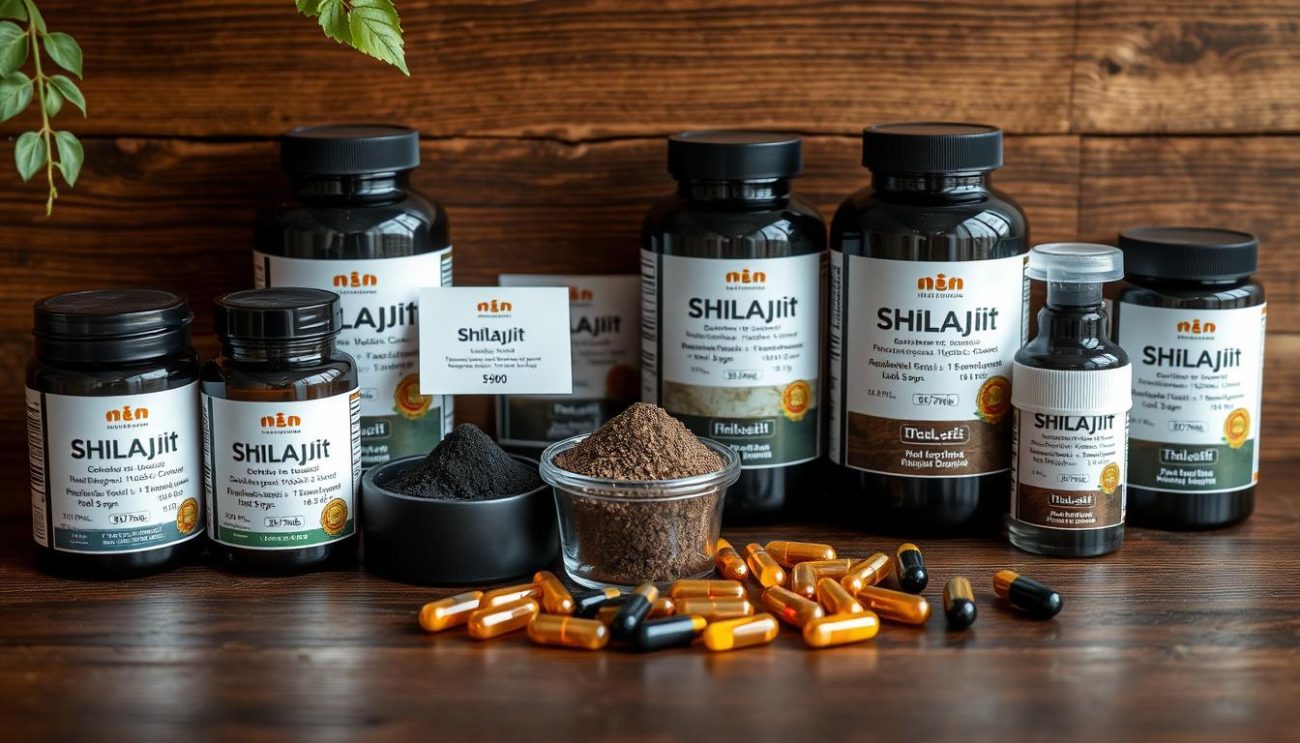
When exploring the world of natural supplements, understanding the price of shilajeet/shilajit can be confusing. This powerful Ayurvedic substance varies dramatically in cost—from $15 to over $300 depending on form, purity, and source. I’ve spent years researching and using this remarkable resin, and I’m here to guide you through the factors that influence its pricing so you can make an informed decision without overpaying or compromising on quality.
Key Factors That Influence the Price of Shilajeet/Shilajit
The price of shilajit isn’t arbitrary—it’s determined by several crucial factors that directly impact both quality and cost. Understanding these elements will help you recognize fair pricing and avoid both overpriced and suspiciously cheap products.
Geographical Source
Himalayan shilajit, especially from high-altitude regions of Nepal, Ladakh, and Altai mountains, commands premium prices due to its reputation for higher mineral content and purity. The challenging harvesting conditions in these remote locations add to the cost.
Purity & Processing
Pure shilajit undergoes extensive purification to remove impurities while preserving active compounds. This labor-intensive process significantly affects pricing—products with 60-80% fulvic acid content typically cost more but deliver superior benefits.
Form & Concentration
Resin (the most potent form) typically costs more per gram than capsules or powder. However, concentrated forms often provide better value as smaller amounts deliver equivalent benefits, making the price per dose more economical.
Not Sure About Shilajit Quality?
Authentic shilajit should dissolve completely in warm water without leaving residue—a simple test to verify what you’re paying for.
Average Price Ranges for Shilajit Across Different Markets
The price of shilajeet/shilajit varies significantly across global markets. After analyzing hundreds of products, I’ve compiled the typical price ranges you can expect to encounter. These figures represent authentic products—be wary of anything priced substantially below these ranges.
| Market | Resin (per 10g) | Capsules (per 60 count) | Powder (per 25g) |
| United States | $25-45 | $20-35 | $18-30 |
| India | ₹700-1500 ($8-18) | ₹400-900 ($5-11) | ₹500-1200 ($6-15) |
| United Kingdom | £20-40 | £15-30 | £12-25 |
| European Union | €22-45 | €18-35 | €15-30 |
Price Warning: Products priced significantly below these ranges (especially resins under $15/10g) often contain fillers, lower fulvic acid content, or may be adulterated with potentially harmful substances.
Quality vs. Cost: Identifying Authentic Shilajit
The relationship between price and quality isn’t always straightforward with shilajit. While premium products generally cost more, a high price alone doesn’t guarantee authenticity. Here’s how to evaluate if you’re getting what you pay for:
Authentic Shilajit Markers
- Completely dissolves in warm water
- Has a distinctive earthy, bitter taste
- Contains 60-80% fulvic acid (verified by lab testing)
- Dark brown to blackish color
- Soft, pliable texture at room temperature (resin)
- Sourced from high-altitude mountain regions
- Transparent about sourcing and processing methods
Red Flags of Counterfeit Products
- Suspiciously low price (under $15 for 10g resin)
- Doesn’t fully dissolve in water
- Overly sweet or pleasant taste
- No mention of fulvic acid content
- Hard, brittle texture even when warm
- Vague about exact sourcing location
- No third-party testing or verification
“After trying numerous brands, I’ve learned that mid-range priced shilajit often provides the best balance of quality and value. The energy boost I get from a $30 resin is remarkably different from the $15 alternatives I’ve tried.”
— My personal experience after 5 years of daily use
Verify Before You Buy
Always check for third-party lab testing results that verify fulvic acid content and confirm the absence of heavy metals or contaminants.
Regional Price Comparison: Himalayan vs. Altai Shilajit
The geographical origin of shilajit significantly impacts both its price and properties. The two most renowned sources—Himalayan and Altai mountains—produce slightly different variants with distinct pricing structures.
Himalayan shilajit typically commands a 15-25% price premium over Altai varieties. While both offer similar health benefits, Himalayan sources are often preferred for their slightly higher fulvic acid content and broader mineral profile. However, Altai shilajit offers excellent value, especially for those new to this supplement.
Value Insight: For those prioritizing budget while still wanting quality, Altai shilajit provides an excellent entry point at approximately 20% lower cost than comparable Himalayan products.
Where to Buy Authentic Shilajit at Fair Prices
Finding reliable sources for authentic shilajit at reasonable prices can be challenging. After extensive research and personal testing, I’ve identified several trustworthy vendors across different platforms and price points.
Specialized Ayurvedic Retailers
Shilajit Resin
Specializes in pure Himalayan shilajit resin with transparent sourcing. Their 20g resin (₹1,099 or ~$13) offers excellent value with verified 70% fulvic acid content.
- Third-party tested
- Direct Himalayan sourcing
- Available in multiple sizes
Shiljat bundle
Offers authentic Ladakhi shilajit directly from local harvesters. Their 10g resin (₹749 or ~$9) provides excellent quality with minimal processing.
- Direct from Ladakh region
- Traditional processing
- Bulk discounts available
Shilajit Capsules
Well-established brand offering standardized shilajit products. Their Shilajit Gold capsules (₹415 or ~$5 for 30 capsules) provide a convenient, budget-friendly option.
- Standardized formulation
- GMP certified manufacturing
- Regular discounts (up to 40%)
International Marketplaces
Major e-commerce platforms offer convenience but require careful vendor verification. Look for sellers with detailed product information, transparent lab testing, and positive reviews specifically mentioning energy benefits and dissolution properties.
Shopping Tip: When purchasing from international marketplaces, prioritize vendors who clearly state the fulvic acid percentage and provide detailed information about sourcing region and purification methods.
Tips for Cost-Effective Shilajit Purchases
Getting the best value doesn’t always mean choosing the cheapest option. These strategies can help you obtain high-quality shilajit at more affordable prices:
Bulk Purchasing
Larger quantities (20-40g) typically offer 15-30% savings per gram compared to smaller packages. Since properly stored shilajit remains potent for 2+ years, buying in bulk makes economic sense for regular users.
Seasonal Discounts
Many Ayurvedic retailers offer significant discounts (20-40% off) during traditional Indian festivals like Diwali (October-November) and regional harvest seasons. Setting price alerts can help you capitalize on these opportunities.
Subscription Models
Several vendors offer subscription options with 10-15% discounts on recurring orders. This approach ensures consistent supply while reducing the per-unit cost over time.
Direct Sourcing
Purchasing directly from specialized Ayurvedic retailers rather than through intermediaries can eliminate markup costs, often saving 15-25% compared to general marketplaces.
Is more expensive shilajit always better quality?
Not necessarily. While extremely cheap products should raise suspicion, mid-range priced shilajit often provides the optimal balance of quality and value. The key factors to consider are fulvic acid content, dissolution properties, and sourcing transparency rather than price alone.
How much should I expect to pay for genuine shilajit?
For authentic resin, expect to pay $20-45 for 10g in Western markets and ₹700-1500 in India. Capsules and powders typically cost less per gram but may also contain additional ingredients or fillers. Anything significantly below these ranges should be carefully scrutinized.
Ready to Experience Authentic Shilajit?
Find the perfect balance of quality and value with these trusted vendors offering fair prices on verified products.
Making an Informed Decision About Shilajit Pricing
Understanding the true price of shilajeet/shilajit empowers you to make informed purchasing decisions. While premium products command higher prices, the most expensive option isn’t always necessary to experience significant benefits. The key is finding authentic shilajit from reputable sources at a fair price point.
Remember that quality indicators—like complete water solubility, proper texture, and transparent sourcing—are more reliable guides than price alone. By applying the knowledge from this guide, you can confidently navigate the market to find shilajit that offers the perfect balance of authenticity, potency, and value.
Whether you choose Himalayan or Altai varieties, resin or capsules, the most important factor is finding a product that delivers consistent energy, clarity, and wellness benefits at a price that fits your budget.
Find Your Perfect Shilajit Match
Compare top-rated options from verified vendors with transparent pricing and proven quality.