

The connection between what we eat and how we feel has become increasingly clear through modern research. Our diet directly impacts brain chemistry, inflammation levels, and gut health—all factors that influence mental wellbeing. While conventional treatments remain essential for clinical depression, many people are exploring complementary approaches through nutrition. Among these natural options, Shilajit—an ancient substance formed over centuries in high mountain regions—has emerged as a promising supplement for supporting mental health.
This powerful adaptogen contains a complex matrix of minerals, fulvic acid, and bioactive compounds that may help regulate mood and support brain function. While less known in Western wellness circles, Shilajit has centuries of traditional use and growing scientific interest for its potential role in combating depression naturally.
Shilajit for Depression: A Deep Dive into This Ancient Remedy
Raw Shilajit in its natural form – a dark, resin-like substance found in high mountain regions
What is Shilajit?
Shilajit (pronounced shil-ah-jeet) is a blackish-brown, resin-like substance that slowly forms over centuries through the decomposition of certain plants by microorganisms. It’s primarily found in the rocks of the Himalayas, Altai, Caucasus, and other mountain ranges at altitudes between 1000-5000 meters. Rich in fulvic acid, humic acid, and over 84 minerals in their ionic form, Shilajit has been prized in Ayurvedic medicine for thousands of years as a rejuvenator and anti-aging compound.
The Science Behind Shilajit for Depression
Modern research has begun to validate traditional claims about Shilajit’s effects on mental health. Several mechanisms may explain its potential antidepressant properties:
“Our findings suggest that Shilajit and its active components may have significant potential in addressing neurological conditions through multiple pathways, including neurotransmitter regulation and neuroprotection.”
— Excerpt from a 2023 review in the Journal of Psychopharmacology
How to Use Shilajit for Mental Health Support
Shilajit is available in multiple forms: resin, powder, and capsules
Recommended Dosage:
Safety Precautions:
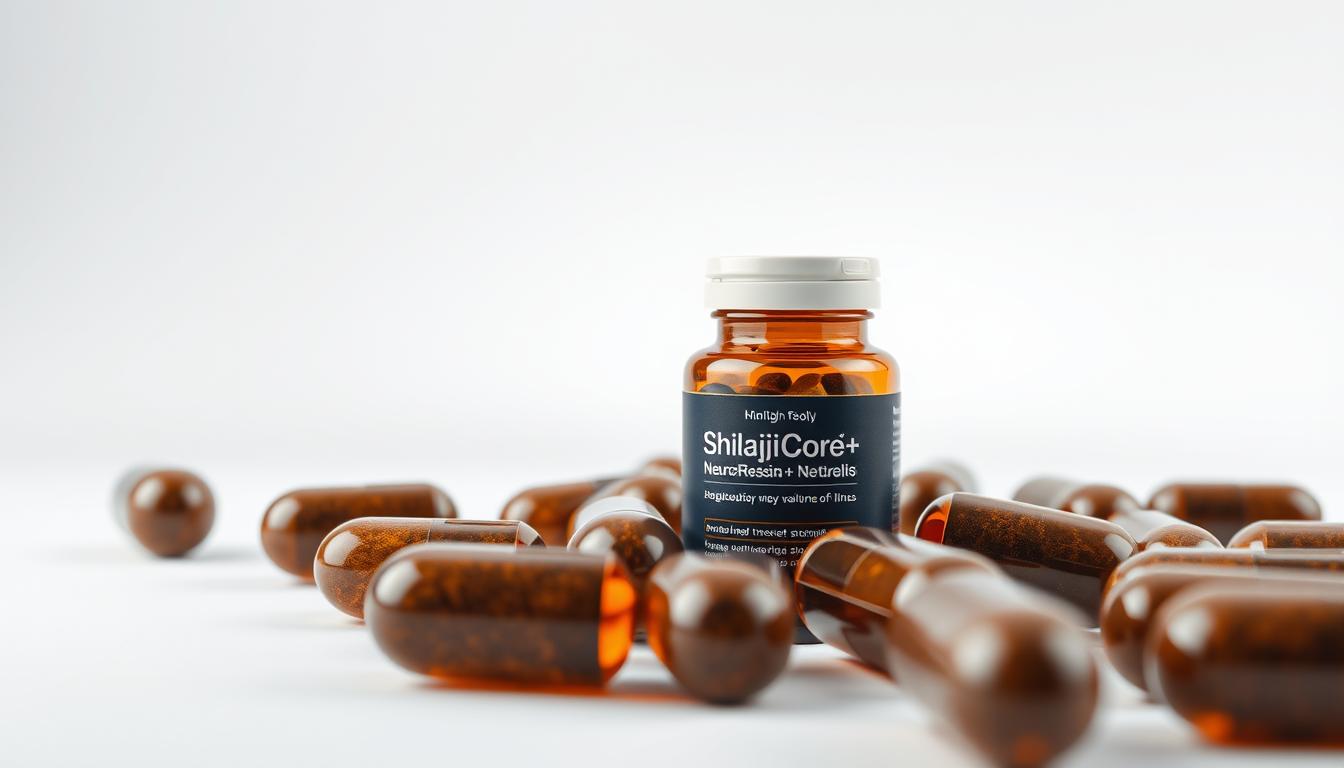
Experience Premium Shilajit with Neuroresin Formula
Our Shilajitcore+ features a patented AdvaGnced Bio-Optimized Cellular Vitality Formula that maximizes bioavailability and effectiveness for mental wellness support. Ethically sourced from pristine mountain regions and rigorously tested for purity.
Other Natural Foods That Combat Depression
While Shilajit offers promising benefits for mental health, integrating a variety of depression-fighting foods into your diet creates a comprehensive approach to mood support. These foods work through different mechanisms—from reducing inflammation to supporting neurotransmitter production—complementing the effects of Shilajit.
Omega-3 Rich Foods
Omega-3 rich foods like salmon, walnuts, and flaxseeds support brain health and mood regulation
Omega-3 fatty acids are essential for brain health and have been extensively studied for their role in mood regulation. The brain is approximately 60% fat, with omega-3s forming a crucial component of neural cell membranes.
Fermented Foods for Gut-Brain Health
Fermented foods support gut health, which directly impacts brain function and mood
The gut-brain connection has emerged as a crucial factor in mental health. Your intestinal tract produces approximately 95% of your body’s serotonin, often called the “happiness hormone.”
Dark Chocolate and Cacao
Dark chocolate with high cacao content contains compounds that support mood and brain function
Dark chocolate (70%+ cacao) isn’t just a delicious treat—it contains several compounds that may benefit mental health.
Turmeric and Curcumin
Turmeric contains curcumin, a powerful anti-inflammatory compound with potential antidepressant effects
Turmeric’s active compound, curcumin, has gained significant attention for its potential mental health benefits.
Absorption Tip: Combine turmeric with black pepper to enhance curcumin absorption by up to 2000%. Adding a healthy fat source like coconut oil further improves bioavailability.
Leafy Greens and Folate
Leafy greens provide folate and other nutrients essential for neurotransmitter production
Folate (vitamin B9) plays a crucial role in neurotransmitter synthesis and has been linked to depression when deficient.
Combining Shilajit with Depression-Fighting Foods
Integrating Shilajit with other mood-supporting foods creates a comprehensive approach to mental wellness
Creating a holistic approach to mental wellness involves strategically combining Shilajit with other depression-fighting foods. This synergistic approach addresses multiple pathways involved in mood regulation—from neurotransmitter production to inflammation reduction and stress management.
Sample Daily Meal Plan with Shilajit
| Meal | Foods | Mental Health Benefits |
| Breakfast | Greek yogurt with walnuts, flaxseeds, and dark chocolate nibs + Shilajit (mixed with warm water) | Probiotics for gut health, omega-3s for brain function, flavanols for mood, and Shilajit for neurotransmitter support |
| Lunch | Spinach salad with grilled salmon, avocado, and turmeric dressing | Folate from greens, omega-3s from salmon, healthy fats from avocado, and anti-inflammatory benefits from turmeric |
| Snack | Small piece of 85% dark chocolate and a cup of green tea | Flavanols and magnesium from chocolate, L-theanine from tea for stress reduction |
| Dinner | Turmeric-spiced lentils with sautéed kale and fermented vegetables | Protein and fiber from lentils, folate from kale, probiotics from fermented vegetables |
| Evening | Warm golden milk with Shilajit | Curcumin from turmeric, adaptogenic support from Shilajit, and calming effects for better sleep |
Integration Tip: When adding Shilajit to your routine, start with a small amount (rice-grain size) dissolved in warm water, milk, or tea. Morning consumption may provide energy throughout the day, while evening use may support relaxation and sleep quality.
Transform Your Mental Wellness Naturally
Our patented Neuroresin Formula in Shilajitcore+ works synergistically with mood-supporting foods to enhance mental clarity, emotional balance, and overall wellbeing. Experience the difference of premium, lab-tested Shilajit.
Conclusion: A Holistic Approach to Mental Wellness
A comprehensive approach to mental wellness combines nutrition, supplements, and lifestyle practices
While Shilajit and other natural foods show promising potential for supporting mental health, it’s important to view them as complementary approaches rather than replacements for conventional depression treatment. The most effective strategy combines nutritional support with appropriate medical care, therapy, physical activity, stress management, and quality sleep.
If you’re experiencing depression symptoms, consult with healthcare providers before making significant changes to your treatment approach. They can help you develop an integrated plan that safely incorporates Shilajit and other natural foods alongside conventional treatments if appropriate.
Remember that consistency is key—the benefits of nutritional approaches typically develop gradually over time. By thoughtfully combining Shilajit with other depression-fighting foods and maintaining open communication with your healthcare team, you can work toward comprehensive support for your mental wellbeing.
Start Your Natural Mental Wellness Journey Today
Experience the potential benefits of our premium Shilajitcore+ with patented Neuroresin Formula. Ethically sourced, rigorously tested, and formulated to support optimal mental wellness naturally.
Frequently Asked Questions About Shilajit for Depression
How quickly can I expect to see results when using Shilajit for mood support?
Individual responses to Shilajit vary considerably. Some people report subtle improvements in energy and mood within days, while others may need 2-4 weeks of consistent use to notice significant changes. For optimal results, combine Shilajit with other depression-fighting foods, regular exercise, stress management practices, and proper sleep. Remember that Shilajit works best as part of a comprehensive approach to mental wellness.
Can Shilajit be taken alongside antidepressant medications?
While Shilajit is generally considered safe, it’s essential to consult with your healthcare provider before combining it with antidepressants or other medications. Shilajit may influence neurotransmitter levels and could potentially interact with certain drugs. Your doctor can provide personalized guidance based on your specific medication regimen and health status.
How do I ensure I’m getting high-quality Shilajit?
Quality varies significantly among Shilajit products. Look for these indicators of premium Shilajit: third-party lab testing for purity and contaminants, high fulvic acid content (typically 60-80%), proper sourcing from high-altitude regions, and transparent manufacturing practices. Low-quality or contaminated products may contain heavy metals or other harmful substances. Shilajitcore+ meets all these criteria with our patented Neuroresin Formula and rigorous quality control standards.