

Breaking free from smoking addiction is one of life’s toughest challenges. The grip of nicotine can feel unbreakable, with withdrawal symptoms and cravings that test even the strongest willpower. If you’ve tried conventional methods without success, you might be searching for a natural alternative. Shilajit—an ancient resin formed over centuries in mountainous regions—has emerged as a potential ally in the battle against smoking addiction. This powerful substance, rich in fulvic acid and essential minerals, may offer unique properties that support detoxification and help manage nicotine withdrawal symptoms.
In this comprehensive guide, we’ll explore how Shilajit might help you finally break free from cigarettes, examining both traditional wisdom and modern scientific research. You’ll discover practical methods to use this natural substance effectively, understand how it compares to other herbal smoking cessation aids, and learn important safety considerations to keep in mind. Whether you’re making your first attempt to quit or have tried multiple times before, Shilajit’s unique properties might be the missing piece in your journey toward a smoke-free life.
What is Shilajit? Nature's Ancient Detoxifier
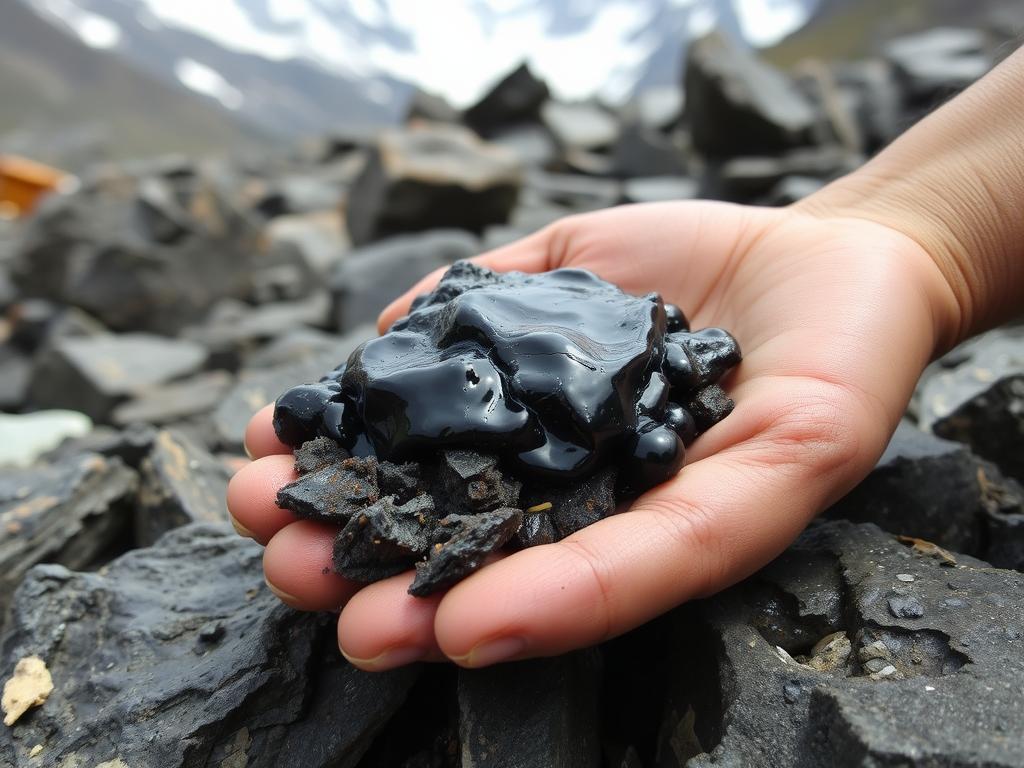
Raw Shilajit resin in its natural form, harvested from Himalayan rocks
Shilajit is a blackish-brown, tar-like substance that oozes from rock crevices in mountainous regions, primarily the Himalayas, Altai, and other mountain ranges across Asia. Formed over centuries through the decomposition of plant matter and minerals under extreme pressure, this natural resin contains over 85 minerals in their ionic form, along with fulvic acid, humic acid, and other beneficial compounds.
Ancient Ayurvedic texts refer to Shilajit as “the destroyer of weakness” and “conqueror of mountains,” highlighting its traditional use as a rejuvenator and energy enhancer. For thousands of years, it has been valued for its ability to detoxify the body, boost immunity, and restore vitality. The name itself offers insight into its nature—”shila” means rock and “jit” means to conquer or overcome, suggesting its power to break down and release beneficial compounds from its mineral-rich source.
The Composition of Shilajit and Its Relevance to Smoking Cessation
What makes Shilajit particularly interesting for those looking to stop smoking is its unique biochemical profile. The fulvic acid in Shilajit acts as a powerful detoxifier, potentially helping to remove nicotine and other harmful chemicals from the body. Additionally, its mineral content may help replenish nutrients depleted by long-term smoking, while its adaptogenic properties could help the body manage stress—a common trigger for smoking relapse.
“Shilajit contains over 85 minerals in ionic form, along with fulvic acid, which may help accelerate the removal of nicotine and other toxins from the body while supporting cellular regeneration.”
The rich mineral content of Shilajit includes magnesium, potassium, calcium, zinc, and iron—all of which play crucial roles in nervous system function and may help alleviate withdrawal symptoms. Furthermore, Shilajit may support dopamine production, potentially addressing the neurochemical imbalance that occurs when quitting nicotine.
Scientific Evidence: Can Shilajit Really Help with Smoking Cessation?
Research on Shilajit’s potential effects on nicotine addiction and withdrawal symptoms
While traditional use suggests Shilajit may help with addiction recovery, what does modern science say about its potential to help smokers quit? Research specifically on Shilajit for smoking cessation is still emerging, but several studies on its properties provide promising insights into how it might help.
Research on Shilajit's Effects on Nicotine Cravings
Recent studies have begun exploring Shilajit’s impact on addiction pathways. Research published in the Journal of Ethnopharmacology suggests that fulvic acid compounds in Shilajit may influence neurotransmitter activity, potentially helping to normalize dopamine levels that are disrupted during nicotine withdrawal. This could theoretically reduce the intensity of cravings that make quitting so difficult.
A 2018 preclinical study found that Shilajit extract showed potential in modulating the reward pathways in the brain that are typically hijacked by addictive substances. While this research wasn’t specific to nicotine, it suggests mechanisms by which Shilajit might help address the underlying neurochemical aspects of addiction.
Shilajit's Impact on Withdrawal Symptoms
Potential Benefits for Withdrawal
- May reduce anxiety and irritability through adaptogenic properties
- Could help stabilize energy levels during nicotine withdrawal
- Supports better sleep quality when quitting smoking
- May reduce oxidative stress caused by smoking
- Potential to support lung tissue recovery
Limitations of Current Research
- Limited human clinical trials specifically for smoking cessation
- Optimal dosage for quitting smoking not established
- Individual responses may vary significantly
- Quality and purity of Shilajit products differ widely
- More research needed on long-term effectiveness
Studies have demonstrated Shilajit’s adaptogenic properties, which help the body manage stress. A 2012 study published in the Journal of Medicinal Plants Research found that Shilajit helped reduce stress-induced oxidative damage in test subjects. Since stress is a major trigger for smoking relapse, this stress-buffering effect could be particularly valuable during the quitting process.
Additionally, research in the International Journal of Alzheimer’s Disease highlighted Shilajit’s potential neuroprotective effects, which may help address the cognitive fog and mood disturbances commonly experienced during nicotine withdrawal. By supporting brain function during this challenging transition, Shilajit may make the quitting process more manageable.
Experience the Science-Backed Benefits of Premium Shilajit
Our patented Neuroresin Formula in ShilajitCore+ is specifically designed to support those looking to break free from smoking addiction. With optimized fulvic acid content and bioavailable minerals, it may help ease your journey to becoming smoke-free.
How Shilajit May Help You Quit Smoking: The Mechanisms
How Shilajit may work in the body to support smoking cessation
Understanding the potential mechanisms by which Shilajit may help with smoking cessation can provide insight into how to use it most effectively. While research continues to evolve, several key pathways have been identified that may explain Shilajit’s potential benefits for those trying to stop smoking.
Detoxification Support
One of the primary ways Shilajit may help is through enhanced detoxification. The fulvic acid in Shilajit is known to bind to toxins and facilitate their removal from the body. For smokers, this could mean faster clearance of nicotine and other harmful chemicals, potentially reducing the duration and intensity of physical withdrawal symptoms.
Research suggests that fulvic acid compounds can penetrate cellular membranes, helping to remove toxins at the cellular level. This deep detoxification may be particularly beneficial for long-term smokers who have accumulated years of tobacco-related toxins in their systems.
Neurotransmitter Balance
Nicotine addiction works by hijacking the brain’s reward pathways, particularly those involving dopamine. When you quit smoking, these pathways are disrupted, leading to cravings and mood disturbances. Shilajit may help normalize these neurotransmitter systems in several ways:
- Supporting dopamine production through its tyrosine content
- Providing minerals essential for neurotransmitter synthesis
- Promoting balanced serotonin levels, which may help with mood regulation
- Potentially modulating GABA activity, which could reduce anxiety during withdrawal
Energy and Vitality Support
Many smokers report fatigue and energy crashes when quitting. Shilajit has been traditionally used to enhance energy and combat fatigue, which may be particularly helpful during this challenging transition. Its effects on mitochondrial function—the energy-producing components of cells—may help maintain steady energy levels when nicotine is no longer providing artificial stimulation.
“Shilajit’s ability to enhance mitochondrial function may help maintain energy levels during nicotine withdrawal, addressing the fatigue that often leads to relapse.”
Stress Reduction and Adaptogenic Effects
As an adaptogen, Shilajit may help the body respond more effectively to stress—a critical benefit when quitting smoking, as stress is one of the most common triggers for relapse. By potentially modulating cortisol levels and supporting adrenal function, Shilajit could help smokers navigate stressful situations without reaching for a cigarette.
How to Use Shilajit for Smoking Cessation: Practical Methods
Various forms of Shilajit: resin, powder, and capsules with typical serving sizes
If you’re considering using Shilajit to help quit smoking, understanding the proper methods, forms, and dosages is essential for maximizing its potential benefits while ensuring safety. Here’s a comprehensive guide to using Shilajit effectively as part of your smoking cessation journey.
Available Forms of Shilajit
| Form | Description | Pros | Cons | Best For |
| Resin | Natural, tar-like substance in its most pure form | Highest potency, most traditional form | Strong taste, requires careful measurement | Those seeking maximum potency and authenticity |
| Powder | Dried and ground Shilajit | Easier to measure, can be added to foods | May oxidize faster than resin | Convenient daily use and precise dosing |
| Capsules | Pre-measured Shilajit in gelatin or vegetable capsules | Most convenient, no taste, precise dosing | May contain fillers, slower absorption | On-the-go use and those sensitive to taste |
| Liquid Extracts | Shilajit dissolved in a liquid base | Fast absorption, easy to take | May contain alcohol or preservatives | Those needing quick effects for acute cravings |
Recommended Dosage for Smoking Cessation
When using Shilajit specifically to help quit smoking, dosage considerations are important. While there’s no officially established dosage specifically for smoking cessation, the following guidelines are based on traditional use and available research:
- Starting Dose: Begin with a small amount (100-150mg) twice daily to assess tolerance
- Standard Dose: 200-300mg twice daily, typically morning and afternoon
- Acute Cravings: Some users report benefits from taking a small additional dose (100mg) when experiencing intense cravings
- Gradual Increase: If needed, gradually increase to 500mg twice daily, but do not exceed manufacturer’s recommendations
- Cycling: Consider taking Shilajit for 6-8 weeks, followed by a 1-2 week break
Important: These are general guidelines only. Always follow the specific dosage instructions provided by the manufacturer of your Shilajit product or, ideally, consult with a healthcare provider familiar with herbal supplements and smoking cessation.
Step-by-Step Method for Using Shilajit Resin
If you’re using Shilajit in its traditional resin form, follow these steps for optimal results:
- Start with a pea-sized amount (approximately 200-300mg)
- Dissolve it in warm (not boiling) water, tea, or milk
- Stir until completely dissolved
- Consume on an empty stomach, ideally 30 minutes before breakfast
- Take a second dose in the afternoon, between lunch and dinner
- For enhanced absorption, consider adding a small amount of ghee (clarified butter) or coconut oil
Step-by-step guide to preparing Shilajit resin for consumption
Timing Your Shilajit Use for Maximum Effect
Strategic timing can enhance Shilajit’s effectiveness for smoking cessation:
- Morning dose: Take upon waking to help manage morning cravings, which are often the strongest
- Afternoon dose: Take between lunch and dinner to help with evening cravings
- Pre-trigger timing: If you know certain situations trigger your smoking (e.g., after meals, during work breaks), take Shilajit 30-60 minutes beforehand
- Consistency: Maintain a regular schedule for optimal results
Ready to Begin Your Smoke-Free Journey?
ShilajitCore+ offers premium-quality, lab-tested Shilajit with our patented Neuroresin Formula, specifically designed to support those quitting smoking. Our easy-to-use resin comes with precise dosing instructions and a satisfaction guarantee.
Shilajit vs. Other Natural Remedies for Quitting Smoking
Comparison of popular natural remedies used for smoking cessation
When considering natural approaches to quit smoking, it’s helpful to understand how Shilajit compares to other herbal remedies. Each option has unique properties and potential benefits, and some may work better for certain individuals than others.
- Rich in fulvic acid and minerals that support detoxification
- May help balance neurotransmitters affected by nicotine
- Adaptogenic properties help manage withdrawal stress
- Supports energy levels during the quitting process
- May help repair oxidative damage from smoking
- Works on multiple body systems simultaneously
Shilajit
- Primarily addresses depression and mood issues
- May help with the emotional aspects of quitting
- Well-studied for mood regulation
- Less effective for physical withdrawal symptoms
- Has significant medication interactions
- Limited effect on detoxification processes
St. John’s Wort
- Contains lobeline, which mimics nicotine’s effects
- May directly reduce nicotine cravings
- Traditionally used specifically for tobacco addiction
- Can cause nausea at higher doses
- Primarily addresses the physical addiction
- Limited benefits for overall health restoration
Lobelia
Combining Shilajit with Other Natural Approaches
Many people find that a multi-faceted approach works best when quitting smoking. Shilajit can be effectively combined with other natural remedies and techniques for enhanced results:
Complementary Herbs & Supplements
- Ashwagandha: Pairs well with Shilajit to reduce stress and anxiety during withdrawal
- Magnesium: Helps with muscle tension and sleep disturbances
- B-Complex Vitamins: Support energy levels and nervous system function
- N-Acetyl Cysteine (NAC): Enhances detoxification and may reduce cravings
Supportive Practices
- Mindfulness Meditation: Helps manage cravings and emotional triggers
- Regular Exercise: Reduces stress and helps clear nicotine from the body
- Acupuncture: May help reduce withdrawal symptoms and cravings
- Hydration: Drinking plenty of water supports detoxification processes
Overall Effectiveness for Smoking Cessation
Real-Life Experiences: Shilajit for Smoking Cessation
Michael, 42, smoke-free for 8 months after using Shilajit as part of his quitting strategy
While scientific research on Shilajit for smoking cessation continues to develop, many individuals have shared their personal experiences using this natural resin to help break free from nicotine addiction. These testimonials provide valuable real-world insights into how Shilajit may help with the quitting process.
David's Journey: From 20-Year Smoker to Smoke-Free
“After smoking a pack a day for over 20 years, I’d tried everything to quit—patches, gum, even prescription medications. Nothing stuck. A friend recommended Shilajit, and I was skeptical but desperate. I started taking it twice daily, and within two weeks, I noticed my cravings weren’t as intense. What surprised me most was how much more energy I had. Instead of reaching for a cigarette when stressed, I found myself wanting to go for a walk. It’s been 14 months now without a single cigarette.”
Sarah's Experience: Managing Withdrawal Symptoms
“The worst part of quitting for me was always the irritability and brain fog. I’d become someone I didn’t recognize—snapping at my kids and unable to focus at work. When I tried quitting with Shilajit, those symptoms were noticeably milder. I still had cravings, but I could think clearly enough to use the coping strategies I’d learned. The difference was night and day compared to my previous attempts. I’ve been smoke-free for 6 months now, the longest I’ve ever gone.”
James's Perspective: Combining Shilajit with Other Methods
“I don’t think Shilajit alone would have been enough for me to quit my 15-year habit, but as part of a comprehensive approach, it made a significant difference. I used it alongside counseling and exercise, and found that it helped most with the physical energy crashes I used to experience. When I’d tried quitting before, I’d be exhausted for weeks. With Shilajit, I had the energy to exercise, which I’m convinced helped me stay on track. Nine months cigarette-free and counting.”
Case Study: The 12-Week Shilajit Protocol
In a small, informal case study conducted by a holistic health practitioner, 15 smokers volunteered to follow a structured 12-week protocol using Shilajit as part of their smoking cessation plan. The results, while not scientifically controlled, provide interesting insights:
Results from a 12-week case study using Shilajit for smoking cessation
- 9 out of 15 participants (60%) remained completely smoke-free at the end of 12 weeks
- 3 additional participants had reduced their smoking by more than 80%
- Participants reported an average 62% reduction in craving intensity by week 4
- Most common benefit reported: Increased energy levels and reduced fatigue during withdrawal
- Most significant challenge: Adjusting to the taste of Shilajit resin
“What stood out most in our observations was not just that participants were able to avoid cigarettes, but that they reported feeling genuinely better—more energetic, clearer thinking, and less irritable—than in previous quit attempts using other methods.”
— Dr. Elena Mikhailov, Holistic Health Practitioner
Join Thousands Who've Broken Free from Smoking
Our customers report that ShilajitCore+ has helped them manage cravings and withdrawal symptoms better than other methods they’ve tried. With our patented Neuroresin Formula, you’ll get the purest, most potent Shilajit available.
Safety Precautions: Using Shilajit Responsibly When Quitting Smoking
Important safety considerations when using Shilajit for smoking cessation
While Shilajit offers potential benefits for those looking to quit smoking, it’s important to approach its use with proper knowledge and caution. As with any supplement, there are important safety considerations to keep in mind, especially when using it for smoking cessation.
Potential Side Effects of Shilajit
When used appropriately, purified Shilajit is generally well-tolerated by most people. However, some individuals may experience side effects, particularly when first starting or when taking higher doses:
Common Side Effects
- Mild digestive discomfort or upset stomach
- Temporary changes in bowel movements
- Increased urination (due to detoxification effects)
- Changes in energy levels (usually increased, but sometimes fluctuating)
Less Common Side Effects
- Headache or dizziness
- Itching or mild skin reactions
- Changes in heart rate
- Sleep disturbances (typically if taken too late in the day)
Important: If you experience any severe or persistent side effects, discontinue use immediately and consult a healthcare professional. These could include severe allergic reactions, significant changes in heart rate or blood pressure, or intense gastrointestinal distress.
Who Should Avoid Using Shilajit
Shilajit is not appropriate for everyone. The following groups should avoid using Shilajit or should only use it under close medical supervision:
- Pregnant or breastfeeding women: Due to insufficient safety data
- People with hemochromatosis: Shilajit may increase iron levels
- Those with gout or high uric acid levels: Shilajit may exacerbate these conditions
- Individuals with low blood pressure: Shilajit may further lower blood pressure
- People with certain hormone-sensitive conditions: Due to potential effects on testosterone levels
- Those scheduled for surgery: Discontinue at least 2 weeks before any planned surgery
Medication Interactions
Shilajit may interact with certain medications, potentially affecting their efficacy or increasing side effects. Be particularly cautious if you’re taking:
- Blood thinners: Shilajit may enhance their effects
- Diabetes medications: May affect blood sugar levels
- Blood pressure medications: Could compound blood pressure-lowering effects
- Immunosuppressants: Shilajit may stimulate immune function
- Medications for anxiety or depression: Potential interactions with mood-regulating effects
Healthcare Consultation: Always consult with a healthcare provider before starting Shilajit, especially if you’re taking any medications or have existing health conditions. This is particularly important when using it for smoking cessation, as quitting smoking itself can affect how your body processes medications.
Ensuring Quality and Purity
One of the most significant safety concerns with Shilajit is product quality. Raw, unprocessed Shilajit may contain contaminants, including heavy metals. To ensure safety:
- Purchase only from reputable suppliers with transparent sourcing practices
- Look for products that have been tested for heavy metals and other contaminants
- Check for third-party lab testing certificates
- Verify that the product has been properly purified
- Read customer reviews and research the company’s reputation
Laboratory testing ensures Shilajit is free from contaminants and safe for consumption
Conclusion: Is Shilajit Right for Your Smoking Cessation Journey?
Embracing a smoke-free life with natural support from Shilajit
Quitting smoking is one of the most significant steps you can take toward improving your health, and finding the right support tools can make all the difference in your success. Shilajit, with its unique composition of fulvic acid and minerals, offers promising potential as a natural aid in the smoking cessation process.
The evidence suggests that Shilajit may help address multiple aspects of nicotine withdrawal—from supporting detoxification and energy levels to helping manage stress and cravings. While research specifically on Shilajit for smoking cessation is still emerging, its traditional use and the mechanisms by which it works provide a reasonable basis for considering it as part of a comprehensive quitting strategy.
Key Takeaways
- Shilajit may help with smoking cessation through multiple mechanisms, including detoxification support, neurotransmitter balance, and adaptogenic effects
- For best results, use purified Shilajit consistently, following proper dosage guidelines and timing recommendations
- Consider combining Shilajit with other natural approaches and supportive practices for a comprehensive quitting strategy
- Always prioritize safety by choosing high-quality products and consulting with healthcare providers, especially if you have existing health conditions or take medications
- Individual experiences vary—what works for one person may not work the same way for another
Remember that quitting smoking is a journey, not an event. Patience, persistence, and a multi-faceted approach typically yield the best results. Shilajit may be a valuable tool in your arsenal, but it works best as part of a broader commitment to your health and well-being.
If you’re considering using Shilajit to help quit smoking, start with high-quality, properly purified products, follow the recommended dosage guidelines, and monitor your body’s response. With the right approach and support, you can break free from nicotine addiction and embrace a healthier, smoke-free life.
Take the First Step Toward Freedom from Smoking Today
ShilajitCore+ with our patented Neuroresin Formula is specifically designed to support your body during the challenging process of quitting smoking. Our premium-quality, lab-tested product provides the purest form of this ancient remedy to help you on your journey to better health.
How quickly can Shilajit help reduce nicotine cravings?
Individual experiences vary, but many users report noticing a reduction in the intensity of cravings within 1-2 weeks of consistent Shilajit use. The full benefits typically develop over 4-6 weeks as the body adjusts and detoxifies. Consistency is key—taking Shilajit regularly as recommended will likely produce better results than occasional use.
Can Shilajit be used alongside conventional smoking cessation aids like nicotine patches?
Many people successfully combine Shilajit with conventional nicotine replacement therapies. However, it’s important to consult with a healthcare provider before combining approaches, as individual health factors may influence compatibility. Some practitioners suggest that Shilajit may enhance the effectiveness of conventional methods by supporting overall well-being during the quitting process.
How long should I continue taking Shilajit after quitting smoking?
Many practitioners recommend continuing Shilajit for at least 3-6 months after quitting smoking. This extended use may help support the body’s recovery from long-term smoking damage and reduce the risk of relapse. Some users choose to incorporate Shilajit into their ongoing wellness routine indefinitely for its general health benefits beyond smoking cessation.