

Can Shilajit Help Clear Depression-Related Mind Fog? A Science-Backed Exploration

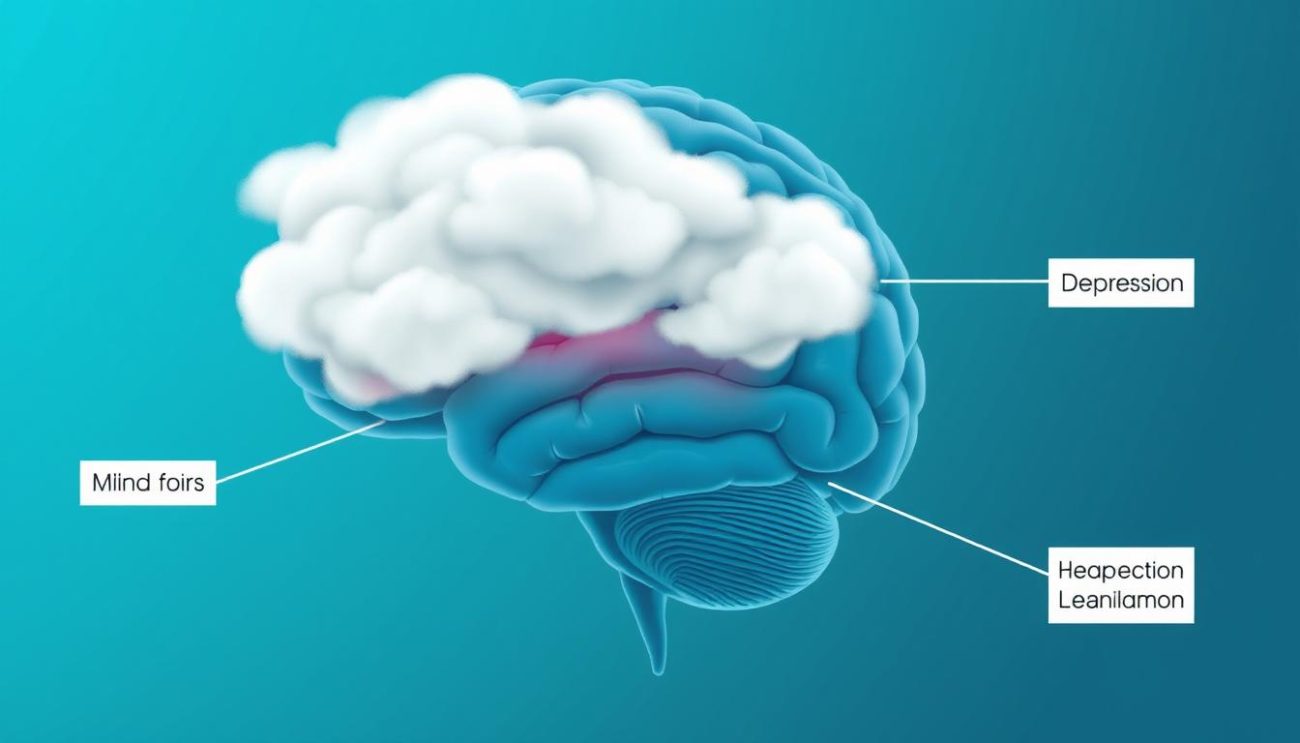
Illustration showing how depression affects brain function and creates mind fog

Depression affects millions worldwide, and one of its most debilitating symptoms is cognitive dysfunction—commonly known as “mind fog.” This mental cloudiness can make even simple tasks feel overwhelming. While conventional treatments exist, many people seek natural alternatives to support their mental well-being. Shilajit, an ancient substance formed over centuries in mountain rocks, has gained attention for its potential to address both depression symptoms and cognitive clarity. But does science support these claims? Let’s explore the evidence behind Shilajit’s effects on depression-related mind fog.

Understanding the Connection Between Depression and Mind Fog

Depression doesn’t just affect mood—it fundamentally changes how your brain functions. When depression strikes, it often brings cognitive symptoms that can be just as disruptive as emotional ones:

Depression affects key brain regions involved in cognitive function, leading to mind fog

  • Difficulty concentrating and maintaining focus
  • Slowed thinking and processing speed
  • Memory problems, especially with working memory
  • Reduced decision-making abilities
  • Mental fatigue even after minimal cognitive effort

This cognitive impairment happens because depression affects several brain mechanisms. It disrupts neurotransmitter balance, particularly serotonin, dopamine, and norepinephrine. Depression also increases inflammation in the brain, reduces neuroplasticity, and impairs energy production in brain cells. The result is what many describe as feeling like they’re “thinking through fog” or experiencing a persistent mental haziness.

Conventional treatments like antidepressants primarily target mood symptoms, sometimes leaving cognitive issues unaddressed. This gap has led many to explore complementary approaches like Shilajit that might support both emotional and cognitive aspects of depression.

What is Shilajit? Nature's Ancient Remedy

Raw Shilajit resin in its natural form from Himalayan mountains

Shilajit (pronounced shil-ah-jeet) is a blackish-brown, resin-like substance that oozes from rock crevices in mountainous regions, primarily the Himalayas. It forms over centuries through the decomposition of plant matter and minerals trapped in rocks. This slow transformation creates a complex substance rich in fulvic acid, humic compounds, and over 84 minerals in their ionic form.

For thousands of years, Shilajit has been a cornerstone of Ayurvedic medicine, where it’s known as “the destroyer of weakness” and “conqueror of mountains.” Traditional practitioners valued it for its rejuvenating properties and used it to address various conditions, including:

Traditional Uses

  • Enhancing physical strength and stamina
  • Supporting cognitive function and memory
  • Balancing emotional well-being
  • Promoting longevity and vitality
  • Supporting immune function

Key Components

  • Fulvic acid (primary bioactive compound)
  • Humic acid
  • Dibenzo-α-pyrones
  • Essential minerals (iron, zinc, magnesium, etc.)
  • Trace elements and amino acids

Modern science has begun to validate many of these traditional claims, particularly regarding Shilajit’s effects on brain health. The unique composition of this substance makes it particularly interesting for addressing depression and cognitive symptoms.

Scientific Evidence: Shilajit's Effects on Brain Health

While traditional knowledge has long suggested Shilajit’s benefits for mental well-being, recent scientific research provides more concrete evidence for its potential in addressing depression and mind fog. Here’s what studies reveal about Shilajit’s neuroprotective and mood-enhancing properties:

Scientific illustration of Shilajit's effects on brain cells and oxidative stress

Shilajit helps protect brain cells from oxidative stress, a key factor in depression and cognitive decline

Neuroprotective Properties

A significant body of research demonstrates Shilajit’s ability to protect brain cells from damage. A 2012 study published in the International Journal of Alzheimer’s Disease found that fulvic acid in Shilajit helps prevent the aggregation of tau proteins—abnormal accumulations associated with neurodegenerative conditions. By protecting neurons from this type of damage, Shilajit may help maintain cognitive function even under stress.

Antioxidant Effects

Oxidative stress plays a major role in both depression and cognitive decline. Multiple studies have confirmed Shilajit’s powerful antioxidant properties. Research published in the Journal of Ethnopharmacology demonstrated that Shilajit significantly increases superoxide dismutase (SOD), catalase, and glutathione peroxidase—key enzymes that neutralize harmful free radicals in the brain.

Dopamine Regulation

Depression often involves imbalances in dopamine—a neurotransmitter crucial for motivation, pleasure, and cognitive function. A study in the Indian Journal of Pharmacology found that Shilajit helps increase dopamine levels in the brain, potentially addressing both mood and cognitive symptoms simultaneously.

“Our findings suggest that Shilajit not only increases dopamine levels but also modulates serotonin, creating a more balanced neurotransmitter environment that may benefit both mood and cognitive function.” — Researchers from the 2016 study in the Journal of Medicinal Plants Research

Anti-inflammatory Effects

Chronic inflammation in the brain contributes significantly to depression and cognitive impairment. Studies have shown that Shilajit reduces pro-inflammatory cytokines while increasing anti-inflammatory compounds, potentially creating a more favorable environment for optimal brain function.

How Shilajit Works: Key Mechanisms for Fighting Depression and Mind Fog

Understanding how Shilajit affects the brain helps explain its potential benefits for depression-related mind fog. Several key mechanisms work together to support cognitive function and mood regulation:

Diagram showing how fulvic acid in Shilajit enhances mitochondrial function in brain cells

Fulvic acid in Shilajit enhances mitochondrial function, boosting energy production in brain cells

Fulvic Acid Activity

The fulvic acid in Shilajit is a powerful electron donor that enhances cellular energy production. It helps transport nutrients across cell membranes and improves mitochondrial efficiency. Since depression often involves mitochondrial dysfunction and energy deficits in the brain, this mechanism may directly address the fatigue and mental sluggishness associated with mind fog.

Neurotransmitter Balance

Shilajit helps regulate key neurotransmitters involved in mood and cognition. It increases dopamine levels, which improves motivation and focus. It also modulates serotonin, which regulates mood, and acetylcholine, which is crucial for memory and learning. This balanced approach helps address multiple aspects of depression and cognitive function.

Blood-Brain Barrier Support

The blood-brain barrier can be compromised during chronic stress and depression. Shilajit’s compounds help maintain the integrity of this protective barrier while facilitating the transport of beneficial nutrients into the brain. This dual action helps protect the brain while ensuring it receives the nutrients needed for optimal function.

Mitochondrial Enhancement

Perhaps one of Shilajit’s most significant benefits for mind fog is its effect on mitochondria—the cellular powerhouses that produce energy. Depression is associated with reduced mitochondrial function in brain cells, leading to energy deficits that manifest as mental fatigue and cognitive slowdown.

Research published in the Journal of Alzheimer’s Disease found that Shilajit revitalizes mitochondrial function, particularly when combined with CoQ10. This synergistic effect dramatically increases cellular energy production, potentially addressing the core energy deficit that contributes to mind fog.

“After struggling with depression for years, the mental cloudiness was almost worse than the mood symptoms. Within two weeks of taking high-quality Shilajit, I noticed my thinking was clearer, and I could focus on tasks again. It wasn’t an overnight miracle, but the improvement in mental clarity has been significant and consistent.” — Michael, 42, software engineer

Shilajit vs. Other Natural Nootropics for Mental Clarity

How does Shilajit compare to other natural substances that support cognitive function? This comparison helps place Shilajit in context with other popular options for addressing mind fog:

Nootropic Primary Benefits Speed of Action Depression Support Cognitive Support
Shilajit Energy production, neuroprotection, neurotransmitter balance Moderate (2-3 weeks) Strong Strong
Lion’s Mane Mushroom Nerve growth factor, neurogenesis Slow (4+ weeks) Moderate Strong
Bacopa Monnieri Memory enhancement, stress reduction Very slow (8-12 weeks) Mild Strong
Rhodiola Rosea Stress adaptation, fatigue reduction Fast (1-2 weeks) Strong Moderate
Ashwagandha Stress reduction, anxiety relief Moderate (2-4 weeks) Moderate Mild

What makes Shilajit unique is its comprehensive approach to brain health. While other nootropics excel in specific areas, Shilajit addresses multiple aspects of brain function simultaneously—from energy production and neurotransmitter balance to neuroprotection and cellular detoxification.

Various natural nootropics including Shilajit, Lion's Mane, Bacopa, Rhodiola, and Ashwagandha

Natural nootropics that support brain health and cognitive function

For depression-related mind fog specifically, Shilajit offers advantages due to its dual action on both mood and cognitive pathways. Its ability to enhance mitochondrial function addresses the energy deficit often seen in depression, while its neurotransmitter-balancing effects support both emotional and cognitive aspects of brain health.

Quality Matters: Choosing the Right Shilajit

Not all Shilajit products are created equal. The source, processing method, and purity significantly impact both safety and effectiveness. Here’s what to look for when selecting Shilajit:

High-quality purified Shilajit resin next to lab testing equipment

High-quality Shilajit undergoes rigorous testing to ensure purity and potency

What to Look For

  • Third-party lab testing for purity
  • Sourced from high-altitude regions (Himalayas, Altai, Caucasus)
  • Purified to remove potential contaminants
  • High fulvic acid content (typically 60%+)
  • Minimal processing to preserve bioactive compounds
  • Dark color and characteristic earthy smell

What to Avoid

  • Products without lab test results
  • Extremely low prices (quality Shilajit is costly to produce)
  • Artificial additives or fillers
  • Products that don’t specify source region
  • Excessive claims or “miracle cure” language
  • Unusual color or lack of characteristic smell

IMPORTANT: Low-quality or improperly purified Shilajit may contain heavy metals and other contaminants. Always choose products from reputable companies that provide third-party lab testing results.

The form of Shilajit also matters. It’s available as resin (the most traditional and potent form), powder, and capsules. While resin preserves more of the natural compounds, capsules and powders offer convenience and precise dosing. For depression and mind fog, the resin or high-quality capsules with standardized fulvic acid content are generally recommended.

Experience Premium Himalayan Shilajit

Our Shilajit is ethically sourced from high-altitude Himalayan regions, purified using traditional methods, and third-party tested for purity. With 85%+ fulvic acid content, it provides maximum cognitive and mood support.

How to Use Shilajit Safely and Effectively

To maximize benefits while minimizing risks, follow these guidelines for using Shilajit to address depression-related mind fog:

Recommended Dosage

Clinical studies suggest the following dosage ranges for cognitive and mood support:

  • Resin form: 300-500mg twice daily
  • Capsule/powder form: 250-500mg twice daily

Start with the lower end of the dosage range and gradually increase as needed. Individual responses vary, and finding your optimal dose may require some experimentation.

Visual guide showing how to properly dissolve Shilajit resin in warm water

Dissolving Shilajit resin in warm water is the traditional method of consumption

Best Ways to Take Shilajit

  • Traditional method: Dissolve resin in warm water, milk, or tea
  • Convenient option: Take capsules with water
  • Enhanced absorption: Take with a small amount of healthy fat

Optimal Timing

For depression and mind fog, many users report best results when taking Shilajit:

  • First dose in the morning (helps with daytime energy and focus)
  • Second dose in early afternoon (not too late to avoid potential sleep disruption)
  • With or shortly after meals to minimize digestive discomfort

Important Precautions

Consult your healthcare provider before using Shilajit if you:

  • Are currently taking prescription medications, especially for depression
  • Have a history of hemochromatosis (iron overload disorder)
  • Have kidney or liver conditions
  • Are pregnant or breastfeeding
  • Have a history of gout or elevated uric acid levels
“I’ve found that taking Shilajit first thing in the morning with my coffee has made a noticeable difference in my mental clarity. The brain fog that used to plague me until noon has significantly diminished, and I can think more clearly throughout the day. I make sure to use only purified Shilajit from a reputable source after doing my research.” — Sarah, 38, marketing professional

Real Experiences: Shilajit for Depression and Mind Fog

While scientific research provides valuable insights, personal experiences can offer a more nuanced understanding of how Shilajit may help with depression-related mind fog. Here are some real-world testimonials:

Person looking refreshed and focused while working at a desk with a cup of tea
“After my second child, postpartum depression hit me hard. The worst part was the constant mental fog that made even simple tasks overwhelming. My therapist supported me trying Shilajit alongside my treatment plan. Within three weeks, I noticed I could think more clearly, even on difficult days. It didn’t cure my depression, but it gave me back my mental clarity when I needed it most.” — Jennifer, 34, teacher
“As someone with treatment-resistant depression, I’ve tried numerous approaches. Adding Shilajit to my regimen has been particularly helpful for the cognitive symptoms. The ‘brain fog’ that medication never fully addressed has improved significantly. I can focus better, remember things more easily, and generally feel more mentally present. It’s been a valuable addition to my overall treatment plan.” — Robert, 45, accountant
“I was skeptical about Shilajit, but after researching its traditional use and the emerging science, I decided to try it for my seasonal depression and the accompanying mental sluggishness. I’ve been using it for two winters now, and the difference is noticeable. My thinking stays clearer, and I don’t experience the same level of mental fatigue that usually comes with my winter blues.” — David, 51, professor

These experiences highlight a common theme: while Shilajit may not completely eliminate depression, many users report significant improvements in cognitive symptoms, particularly the mind fog that often accompanies depression. The cognitive benefits appear to be consistent across different types of depression and age groups.

An Integrative Approach: Combining Shilajit with Other Strategies

For optimal results, Shilajit works best as part of a comprehensive approach to addressing depression and mind fog. Consider these complementary strategies:

Holistic approach to managing depression and mind fog including exercise, nutrition, and supplements

A holistic approach combining multiple strategies offers the best results for depression and mind fog

Nutritional Support

  • Omega-3 fatty acids (fish oil, flaxseed)
  • B-complex vitamins, especially B12 and folate
  • Vitamin D (often deficient in depression)
  • Magnesium (supports neurotransmitter function)
  • Anti-inflammatory foods (berries, leafy greens, turmeric)

Lifestyle Practices

  • Regular physical exercise (especially aerobic)
  • Consistent sleep schedule
  • Mindfulness meditation
  • Stress management techniques
  • Social connection and support

Complementary Supplements

  • CoQ10 (synergistic with Shilajit)
  • Lion’s Mane mushroom
  • Rhodiola Rosea
  • N-Acetyl Cysteine (NAC)
  • Ashwagandha

Combining Shilajit with these approaches can create synergistic effects. For example, the mitochondrial support from Shilajit pairs well with the energy-boosting effects of exercise, while its neurotransmitter-balancing properties complement the mood benefits of omega-3 fatty acids.

Synergy Spotlight: Research suggests that combining Shilajit with CoQ10 creates a particularly powerful effect on mitochondrial function and energy production—potentially addressing the fatigue and mental sluggishness common in depression.

Frequently Asked Questions About Shilajit for Depression and Mind Fog

How long until Shilajit’s effects on mind fog appear?

Most users report noticing initial improvements in mental clarity within 1-2 weeks of consistent use. However, the full benefits typically develop over 4-8 weeks as Shilajit’s effects on mitochondrial function, neurotransmitter balance, and neuroprotection accumulate. Individual responses vary based on factors like dosage, product quality, severity of symptoms, and overall health status.

Can Shilajit interact with SSRIs or other antidepressants?

There are no well-documented interactions between Shilajit and SSRIs or other antidepressants. However, since Shilajit may influence neurotransmitter levels, particularly dopamine and serotonin, it’s essential to consult with your healthcare provider before combining them. Some practitioners successfully use Shilajit as a complementary approach alongside conventional treatments, but this should always be medically supervised.

What’s the best time to take Shilajit for mental focus?

For optimal mental focus, most users find taking Shilajit in the morning (with or after breakfast) provides the best results. This timing allows its energy-enhancing properties to support cognitive function throughout the day. Some people benefit from a second dose in the early afternoon. Avoid taking it in the evening as the energy boost might interfere with sleep quality for some individuals.

Is Shilajit safe for long-term use?

High-quality, properly purified Shilajit appears safe for long-term use based on both traditional practices and modern research. A 90-day toxicity study found no adverse effects at recommended dosages. However, as with any supplement, it’s wise to periodically assess its effects and necessity. Some practitioners recommend cycling (e.g., 3 months on, 1 month off) to prevent potential tolerance, though this isn’t strictly necessary based on current evidence.

Can Shilajit replace prescription antidepressants?

No, Shilajit should not be used as a replacement for prescribed antidepressant medications. While it may offer supportive benefits for cognitive symptoms and overall well-being, it has not been clinically validated as a standalone treatment for clinical depression. Never discontinue prescribed medications without consulting your healthcare provider. Shilajit is best viewed as a complementary approach that may help address specific symptoms, particularly cognitive ones, as part of a comprehensive treatment plan.

Person discussing supplement options with a healthcare provider

Always consult with a healthcare provider before adding Shilajit to your depression management plan

Conclusion: Is Shilajit Right for Your Depression-Related Mind Fog?

The evidence suggests that Shilajit offers promising potential for addressing the cognitive symptoms that often accompany depression. Its unique combination of fulvic acid, minerals, and bioactive compounds provides comprehensive support for brain health—from enhancing mitochondrial function and energy production to balancing neurotransmitters and protecting neurons from oxidative stress.

While not a replacement for conventional depression treatments, Shilajit may serve as a valuable complementary approach, particularly for those struggling with persistent mind fog that impacts daily functioning. The cognitive benefits reported by both research and user experiences make it worth considering as part of an integrative strategy.

If you’re considering Shilajit for depression-related mind fog, remember these key points:

  • Quality matters—choose purified Shilajit from reputable sources with third-party testing
  • Start with a lower dose and gradually increase as needed
  • Be patient—full benefits typically develop over several weeks
  • Combine with other evidence-based approaches for depression and cognitive health
  • Consult with your healthcare provider, especially if you’re taking medications

By taking a thoughtful, informed approach to incorporating Shilajit into your wellness routine, you may find it provides valuable support for clearing the mental fog and regaining cognitive clarity—even in the midst of depression.

Experience the Clarity of Premium Shilajit

Our Neuroresin Formula AdvaGnced Bio-Optimized Cellular Vitality Formula is specifically designed to support mental clarity and cognitive function. Ethically sourced, lab-tested, and formulated for maximum bioavailability.

Table of Contents

shilajitcore+ logo

Masters of Luxury Fur Trim Replacement

Since 1987, Fur Replacement has been the trusted name for premium fur trims - ser- ving leading fashion brands and discerning clients across the world.

We specialize exelusively in replacement fur trims for luxury jackets and coats, restoring elegance, warmth, and value with every piece.


+35 Years of Expertise

Trusted by global fashion houses, every trim crafted to perfection since 1987.

Worldwide Shipping

From our Scandinavian atelier to your doorstep

Recent Posts

Our Popular Products